The Lunch Basket That Built an Artists’ Haven
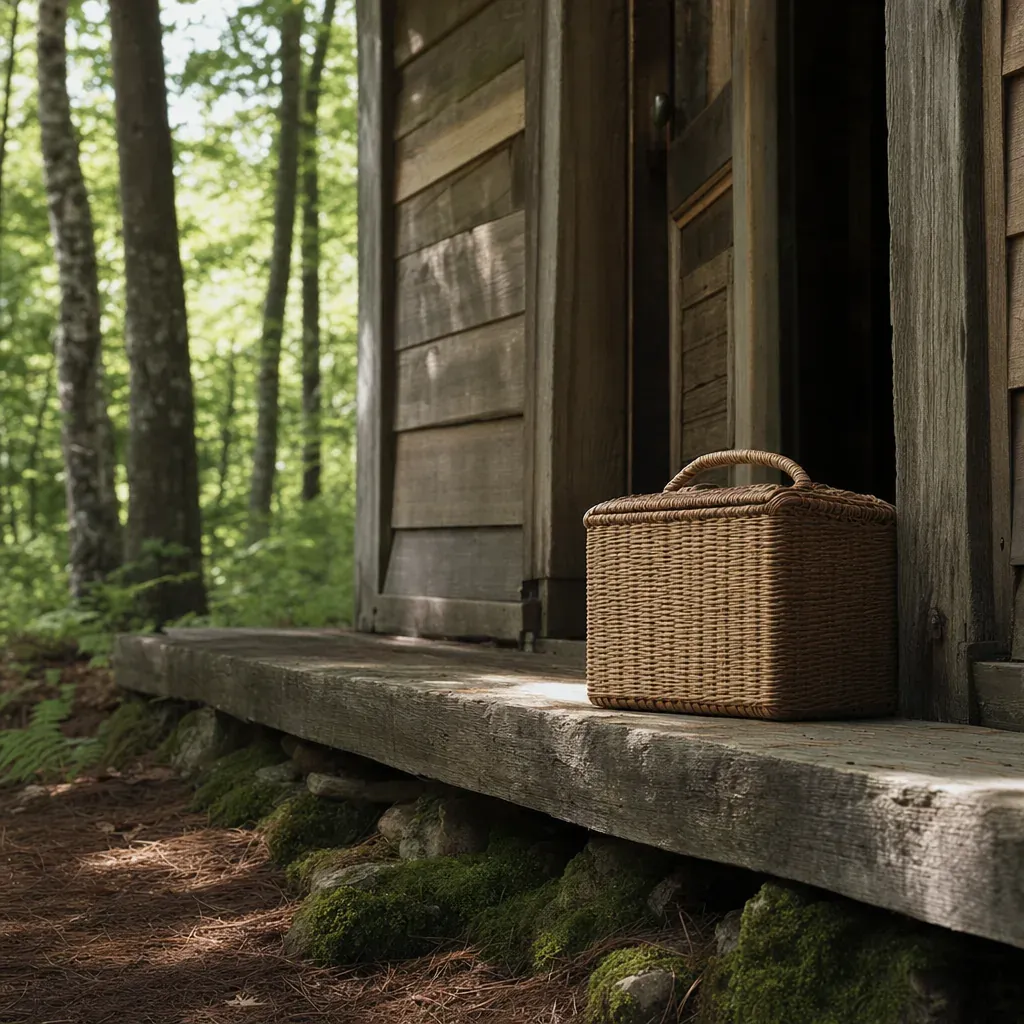
The Lunch Basket at the Studio Door
A basket at a studio door is a quiet thing. No applause, no announcement, just the soft fact of lunch waiting outside, as if everyone had agreed not to knock.
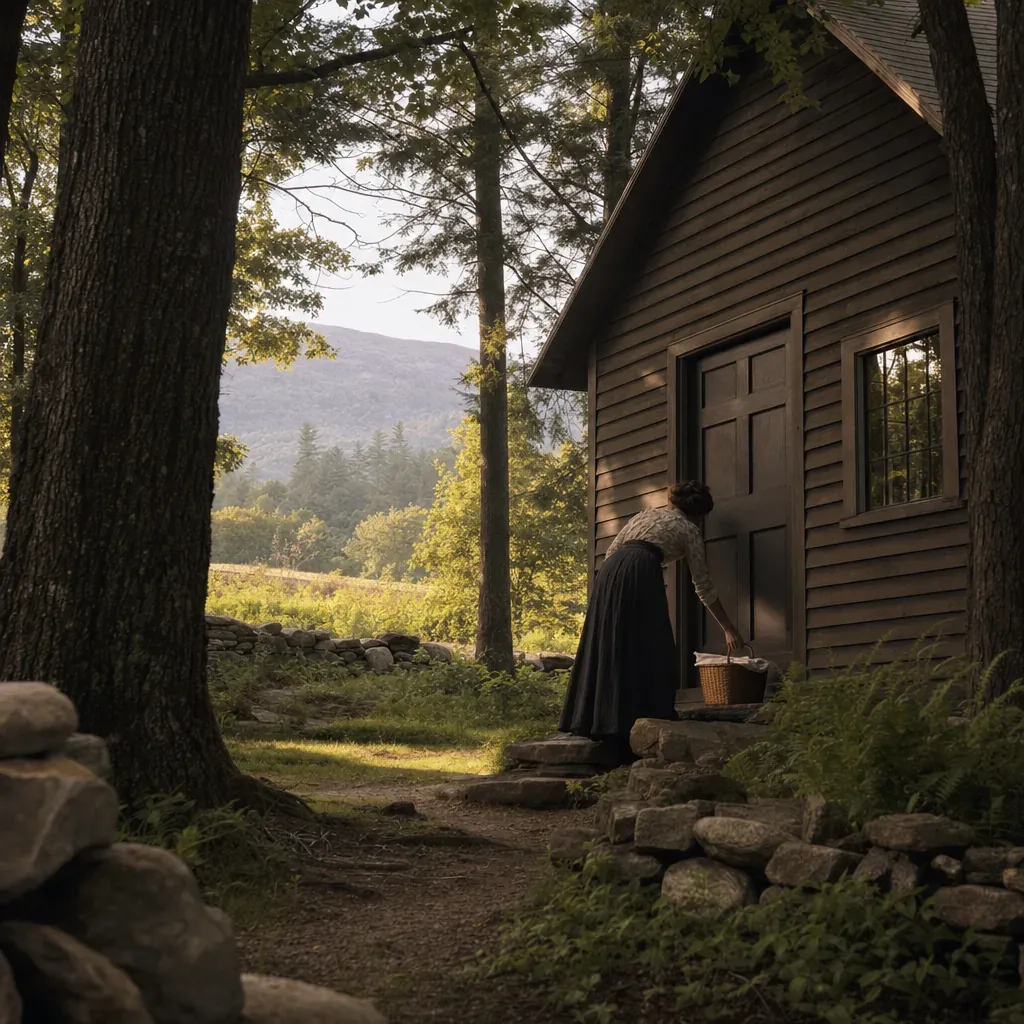
Marian MacDowell was a pianist, and in Peterborough, New Hampshire, she helped make room for another kind of music. She and her husband, composer Edward MacDowell, bought a farm there so Edward could work in quiet. What Marian wanted, at first, was simple: to protect that quiet.
So she did something ordinary and tender. She brought Edward his lunch in a basket and left it at the door of his studio.
That was the whole performance.
No “Edward, dear, are you composing?” No tray rattling in, no cheerful interruption just as a melody was trying to find its way home. No household ceremony. Just a meal placed within reach and a small, practical message tucked inside with the bread and whatever else had been packed: Keep going.
It is hard not to smile at the gentleness of it. A lunch basket is not usually the sort of object that changes anything. It does not look dramatic. It does not demand a plaque. It sits there politely, minding its own business, as New Hampshire things often seem to do.
But the idea behind it mattered. Marian understood that creative work can be delicate. A thought can vanish if a door opens too quickly. A phrase of music can go shy. The person inside the studio may need food, yes, but also the kindness of not being pulled back into the day before they’re ready.
That small kindness grew.
When Marian and Edward founded the artists’ residency that became MacDowell in 1907, the basket stayed. It turned from a private habit into a shared ritual. Artists came to Peterborough to work, and lunch came to them in the same spirit: carried to the studio and left at the door, so the work inside could continue undisturbed.
There’s a sweet comedy in that arrangement. The artist, deep in a sentence or a sketch or a stretch of music, does not have to become a lunch-going citizen of the world. Lunch simply appears. A basket waits outside like a well-trained friend who knows not to say a word.
After Edward’s health failed, Marian became the person who kept the place alive. She did not only dream about the residency; she worked for it. She toured widely as a pianist, giving lecture-recitals to raise money for the farm in Peterborough and the artists who might one day need exactly what Edward had needed: quiet, time, and a door that could stay closed.
The basket was never just about lunch. It was about attention. Marian noticed what helped an artist work, then built a life around protecting it for others.
More than a century later, MacDowell is still there in Peterborough. The lunch-basket tradition is one of its best-loved customs, carrying the same modest promise from studio to studio. Thousands of artists have worked there since its founding: writers, composers, architects, filmmakers, and visual artists, all given the rare luxury of being left alone at the right moment.
All of that from a farm, a couple’s wish for quiet, and a woman who understood that love does not always need to enter the room.
Sometimes it just leaves lunch at the door.