‘He Ain’t Heavy, He’s My Brother’: the Nebraska Staircase Moment Behind the Famous Line
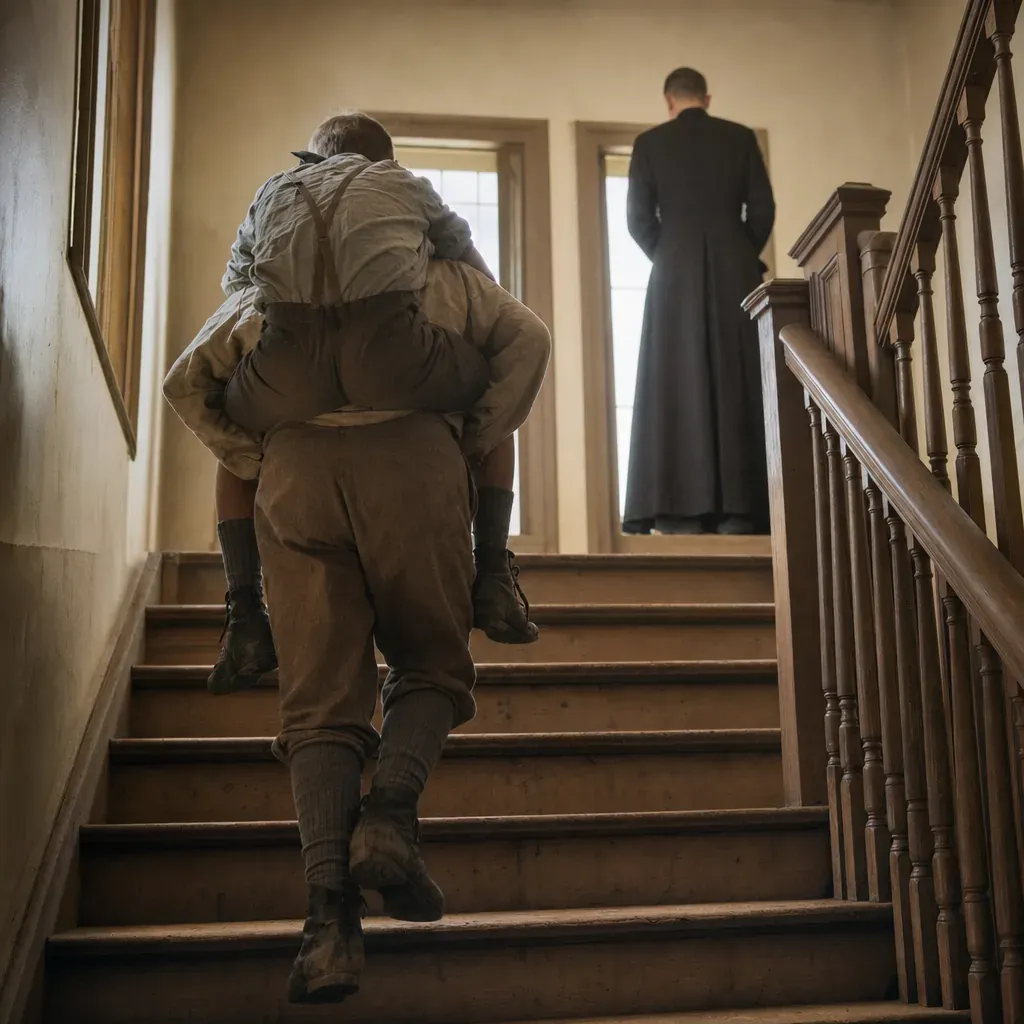
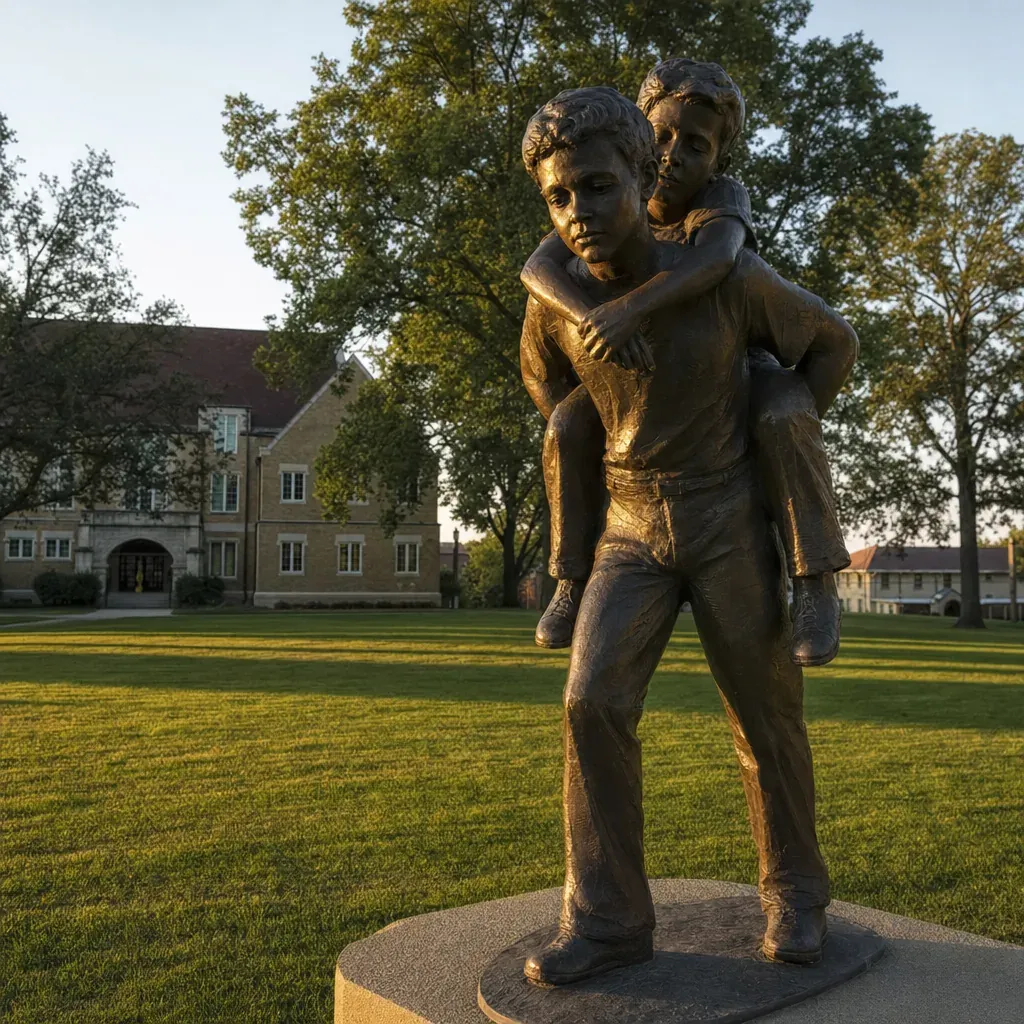
Long before “He Ain’t Heavy, He’s My Brother” floated out of radios as a Hollies hit in 1969, the words already had muddy shoes, schoolhouse stairs, and Nebraska heart in them. Father Edward J. Flanagan was in Omaha when he began Boys Town, opening the home on December 12, 1917, for boys who needed care, safety, and a place to belong. In 1921, the home moved west of the city to Overlook Farm, the place that grew into the Village of Boys Town. Flanagan wanted more than beds and meals for children; he wanted them to have dignity, help, and a home that treated them like they mattered. Hollywood eventually came calling. The 1938 film “Boys Town” carried the place into the national imagination, with Spencer Tracy playing Father Flanagan and Mickey Rooney playing Whitey Marsh. That was the big version of the story: lights, cameras, a famous name on a theater marquee. But the smaller version is the one that stayed. It happened with two boys, Reuben Granger and Howard Loomis. Howard had difficulty walking, and one day Reuben was carrying him up a staircase. You can almost see it without anyone polishing it up: one boy’s arms full, another boy depending on him, the slow upward work of step after step. Father Flanagan saw them. He asked whether the load was heavy. Reuben answered in words so plain they might have come with a shrug: “He ain’t heavy, Father, he’s m’ brother.” That was it. No speech. No orchestra swelling. No one calling for a second take. The line lasted because Reuben didn’t seem to be reaching for anything grand. He was explaining the obvious, the way a child sometimes does with more sense than a roomful of adults. Howard needed to get up the stairs. Reuben could carry him. And if the person you’re carrying is your brother, that changes the weight of the whole thing. There’s a little Nebraska practicality in it, too. Why make a fuss? The job was right there in front of him. So was the boy who needed help. Boys Town later made the saying its guiding motto. It fit because it had come from the place, not from a slogan meeting or a fancy speech. It was born in the ordinary work of helping someone get where he needed to go. Over time, the image became more than a memory. Sculptor Ira Correll turned it into the well-known “Two Brothers” statue on the Boys Town campus: one boy carrying another, the whole idea made visible. Visitors could see in bronze what Father Flanagan had once seen on a staircase. The phrase traveled far beyond Nebraska. People who never visited Boys Town came to know the words. Some heard them in a song. Some saw them connected with the home. But at the center were still Reuben and Howard, not trying to be famous, just making their way upward. A moment that could have disappeared into an ordinary day became the public face of a place built around care. One boy helped another, and somehow that small climb kept going. Some staircases are bigger than they look.
Listen to this story, narrated.