Juneteenth Is a Federal Holiday; Opal Lee’s Sweetest Victory Was Getting Her Front Porch Back

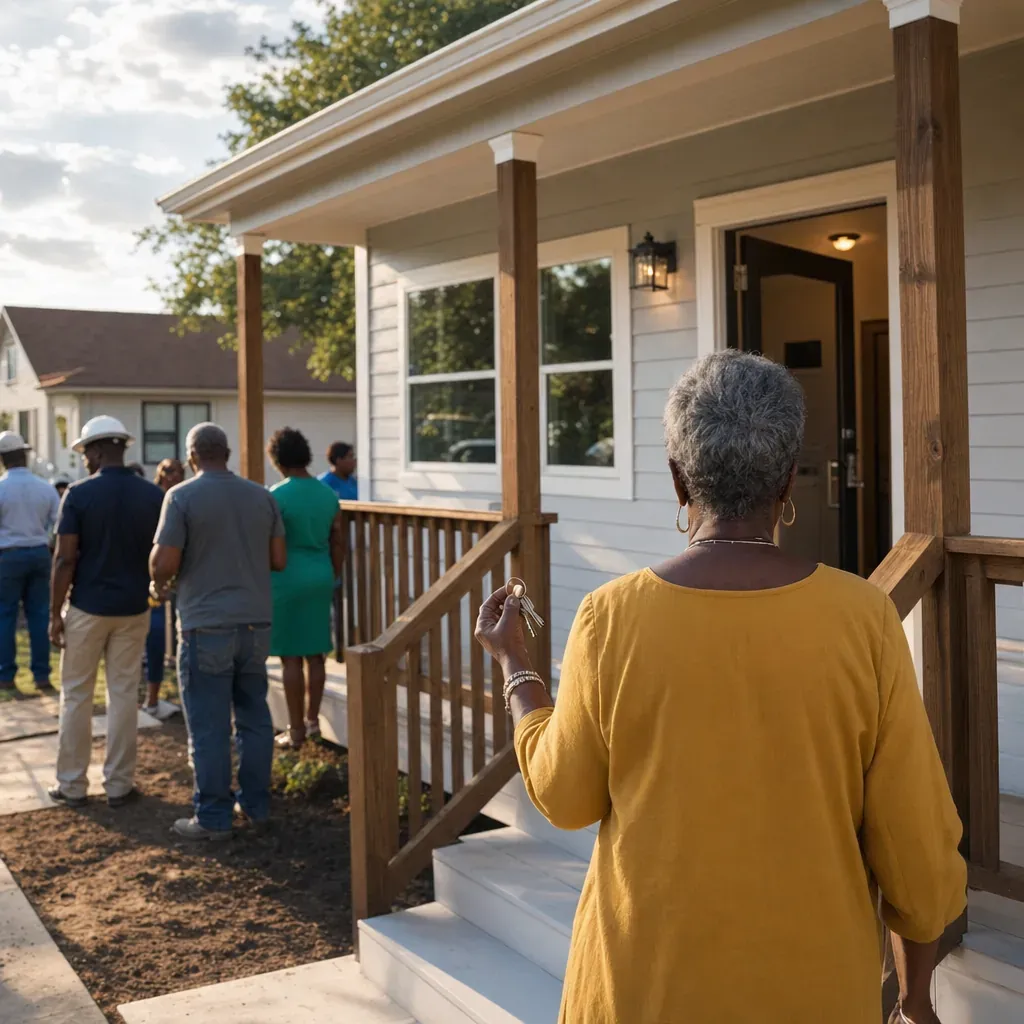
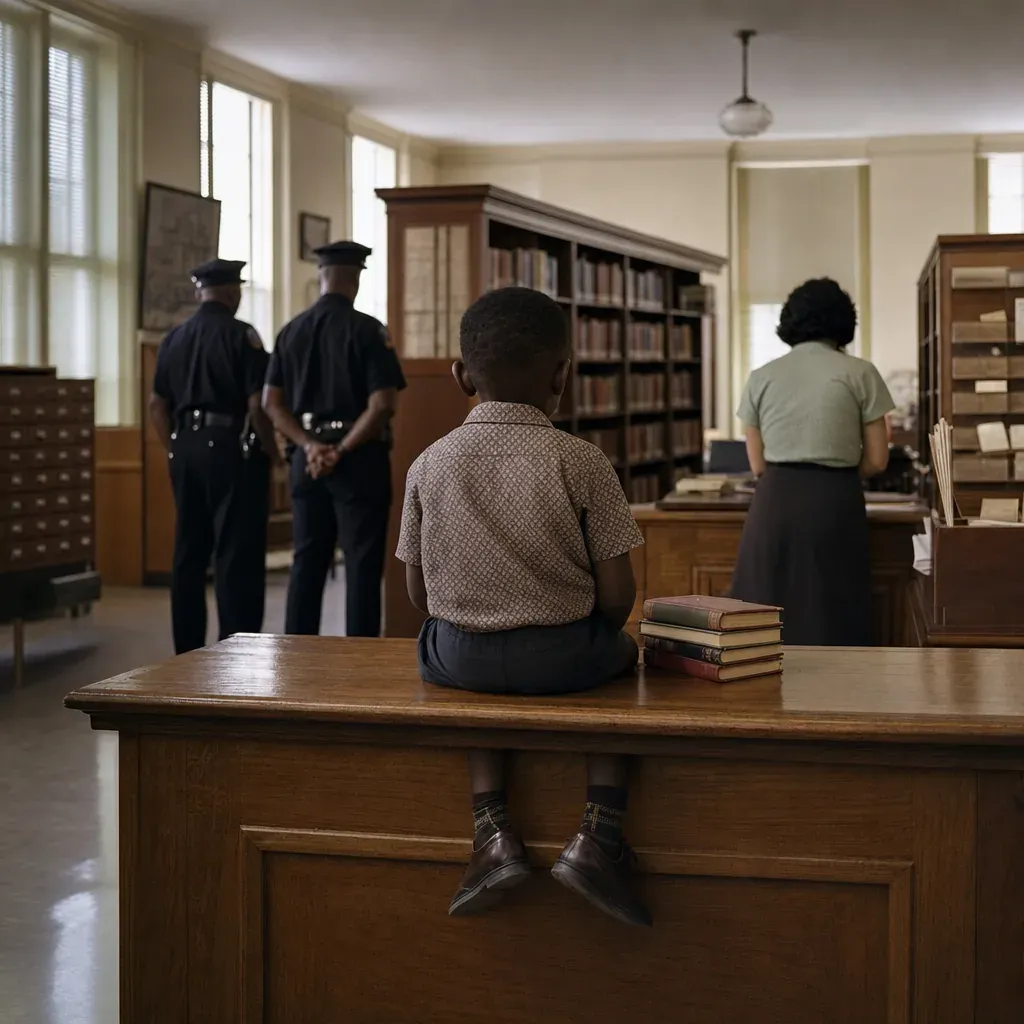
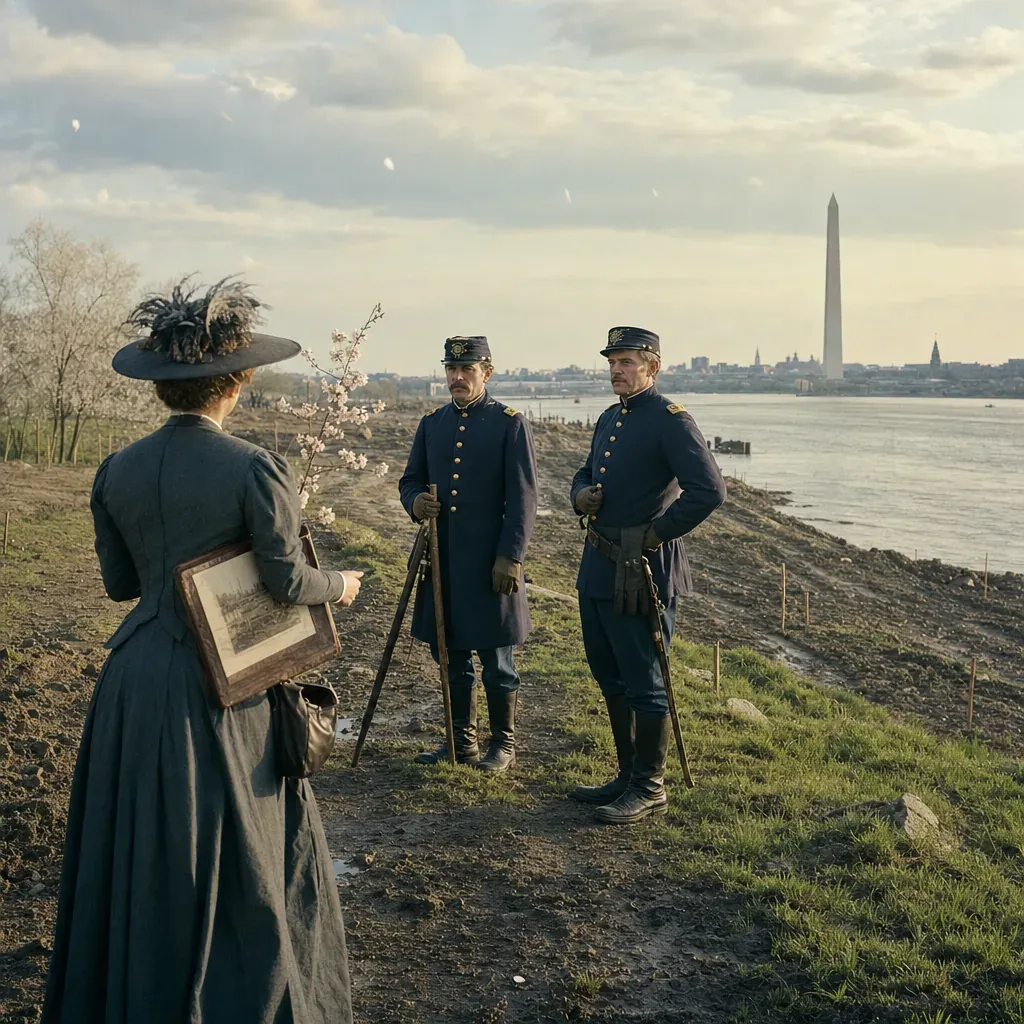
The sound of Opal Lee’s story has always had footsteps in it — steady, stubborn, sneaker-on-sidewalk footsteps, 2.5 miles at a time. But one of its sweetest sounds came much later: a key turning in the lock of a new front door. Opal Lee was born in Marshall, Texas, in 1926 and raised in Fort Worth, where her family once lived on East Annie Street. She wanted people to understand Juneteenth not as a footnote, but as a day that belonged in the national memory. So she walked, and walked, and walked some more — because if there’s one thing harder to ignore than a speech, it’s a determined woman in motion. The distance was never random. Lee often walked 2.5 miles at a time, marking the 2½ years between the Emancipation Proclamation and the June 19, 1865, announcement in Galveston that enslaved people in Texas were free. At 89, she set out from Fort Worth toward Washington, D.C., carrying that message step by step. By the time Juneteenth became a federal holiday in 2021, Lee was already known across the country as the “Grandmother of Juneteenth.” She was at the White House for the signing, surrounded by cameras, applause, and a moment big enough for bold print. But the quieter chapter, the one with sawdust and hugs and neighbors standing close enough to feel like family, happened back in Fort Worth. On June 19, 1939, when Lee was 12, a white mob destroyed her family’s home on East Annie Street. Her family fled. Lee carried the memory for decades, telling the story plainly, without letting it become the end of her story. That may be the most Opal Lee thing about it. She didn’t pretend the hurt wasn’t real. She just kept putting one foot in front of the other anyway. Years later, the same lot where her family’s home had been destroyed became the site of something new. Trinity Habitat for Humanity, HistoryMaker Homes, and community supporters came together to build Lee a house there. At the wall-raising in March 2024, Lee was 97. She had already helped move a country toward recognizing Juneteenth, but there she was again, showing up for another beginning. This time, the work wasn’t a march down a road. It was boards being lifted, hands helping hands, a home taking shape piece by piece. You can almost picture the scene: the clean smell of fresh lumber, the shuffle of people finding where to stand, the happy awkwardness of a crowd trying not to get in the way while very much wanting to be part of it. Lee, with her familiar mix of grit and sparkle, helped bless the work. By June, just before Juneteenth, the house was ready for its dedication. There were builders, neighbors, cameras, and the kind of embraces that say more than speeches can. Then came the keys. It wasn’t grand the way a law-signing is grand. There was no need for marble floors or a presidential pen. This was homier than that, and maybe because of that, it reached deeper. A woman who had spent years walking for freedom’s full recognition now stood on the same ground her family had once been forced to leave. A woman who had turned an old wound into public hope now had a front door of her own on East Annie Street. For Fort Worth, it was more than a build. It was a circle gently closing, with many hands helping it close. For Lee, it was the ordinary miracle of stepping inside and belonging there. After all those miles, Opal Lee came home.