The Grand Ole Opry’s Mother Church Began With a Heckler Who Changed His Mind
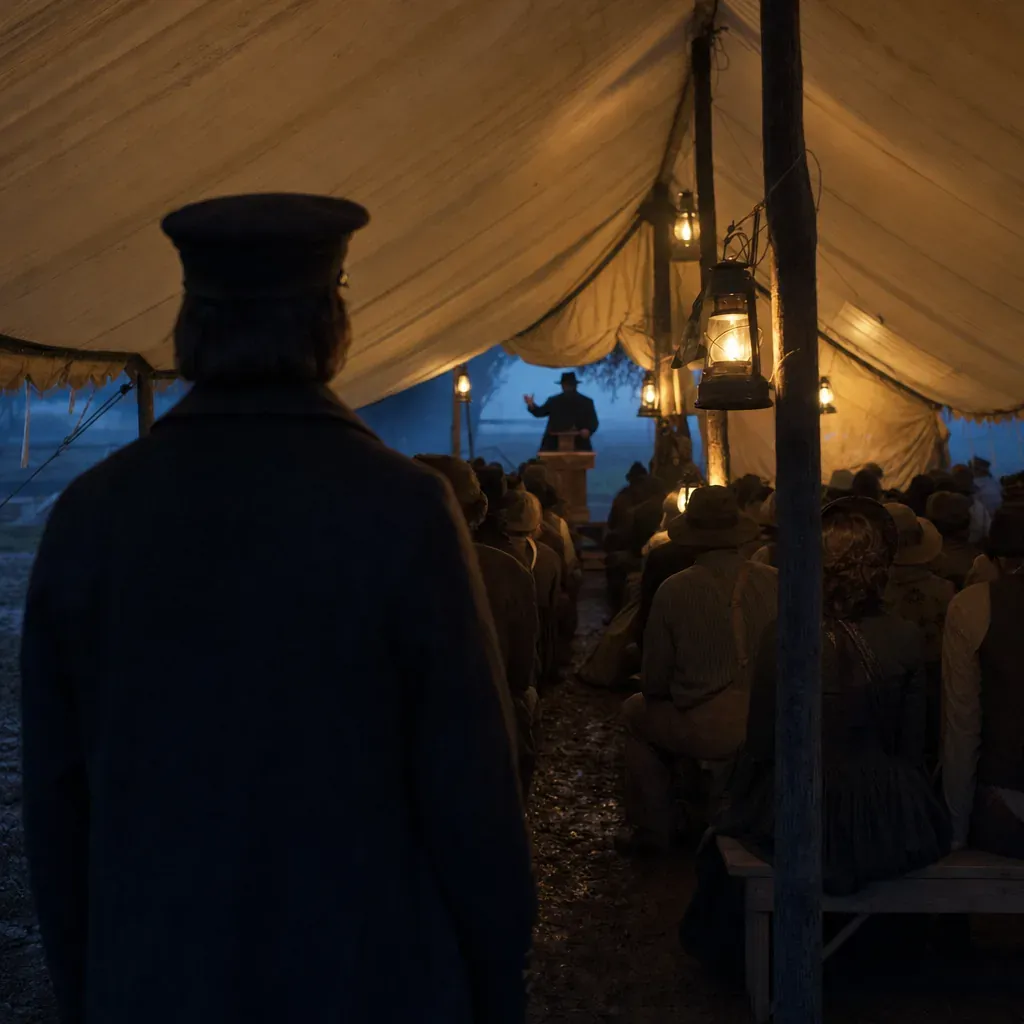
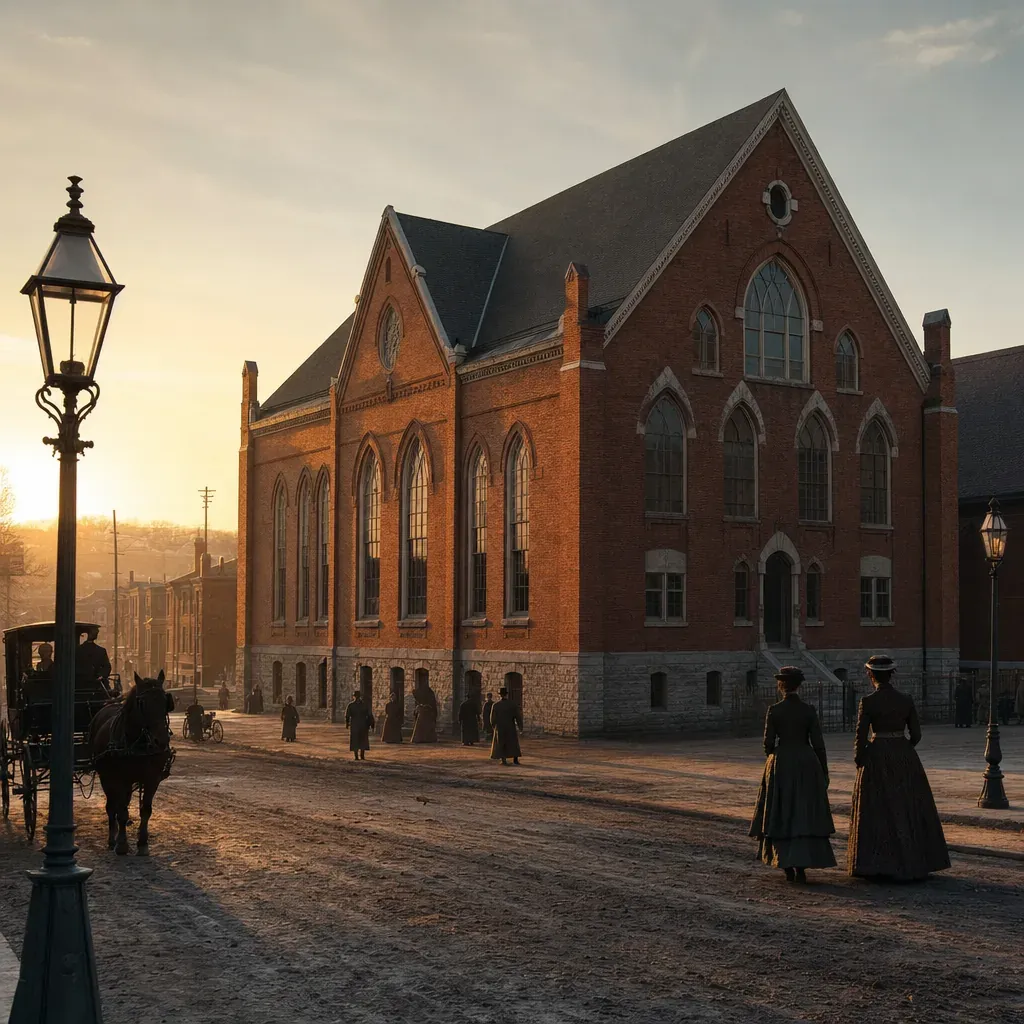
Nashville’s most beloved listening room began with a man walking into a tent ready to pick a fight. He came in with a chip on his shoulder and left with a building in his imagination. Thomas Green Ryman was a Nashville riverboat captain whose money came from steamboats and saloons. He knew the city’s rougher pleasures well, and he wasn’t exactly hurrying toward a church pew. What he wanted, according to the story still told by the Ryman itself and Tennessee historians, was to hear the sharp-tongued Georgia evangelist Sam P. Jones for himself — and heckle him. Jones had been scolding Nashville’s drinking and gambling crowd, and Ryman belonged to the world being scolded. You can almost see the captain heading toward that 1885 tent revival with his mind already made up, the way a person walks into an argument carrying the closing statement in his pocket. He wasn’t going as a fan. He was going as a man who expected to make a scene. But the funny thing about walking into a tent is that you have to sit under the same canvas as everyone else. There was Jones, preaching with the bite that had made people talk. There was Ryman, ready for battle. And then, somewhere between the words he expected to mock and the feeling he hadn’t expected to feel, the captain’s plan slipped its moorings. No neat transcript tells us the exact sentence that changed him. No one preserved the look on his face. But the turn in the story is clear: Thomas Green Ryman, who had come to challenge the preacher, was moved by what he heard. That’s the part that makes the whole thing feel so human. Not that Ryman suddenly became a different kind of public figure in a flash, or that the city’s noise went quiet around him. It’s smaller and better than that. A man walked into a place certain he knew what would happen, and then life surprised him. The captain lost the argument he had come to win. Instead of sulking over it, he decided to build. What he wanted after that night was not a bigger saloon, not another river venture, not a monument to himself. He wanted to give Sam P. Jones a permanent place to preach. Work on the Union Gospel Tabernacle began in the late 1880s. By 1892, the building had opened. It was not yet the “Mother Church of Country Music.” It was not yet the room people around the world would connect with ringing voices, polished instruments, and Saturday-night broadcasts. It began as a tabernacle, born from a U-turn so complete it almost sounds like the setup to a joke: riverboat captain enters tent to heckle preacher, leaves planning construction. After Ryman died in 1904, the building was renamed Ryman Auditorium in his honor. The name stuck, and the room kept gathering stories. From 1943 to 1974, the Grand Ole Opry made that old tabernacle famous far beyond Nashville, carrying its sound out into the world. Underneath all the music and memory, the heart of the story is one ordinary, extraordinary pivot. Tom Ryman walked into a tent with an argument ready, and walked out with room in his heart for something bigger. Not a bad night’s work for a man who came to heckle.