The Super Soaker began with an Alabama teenager and a robot named Linex
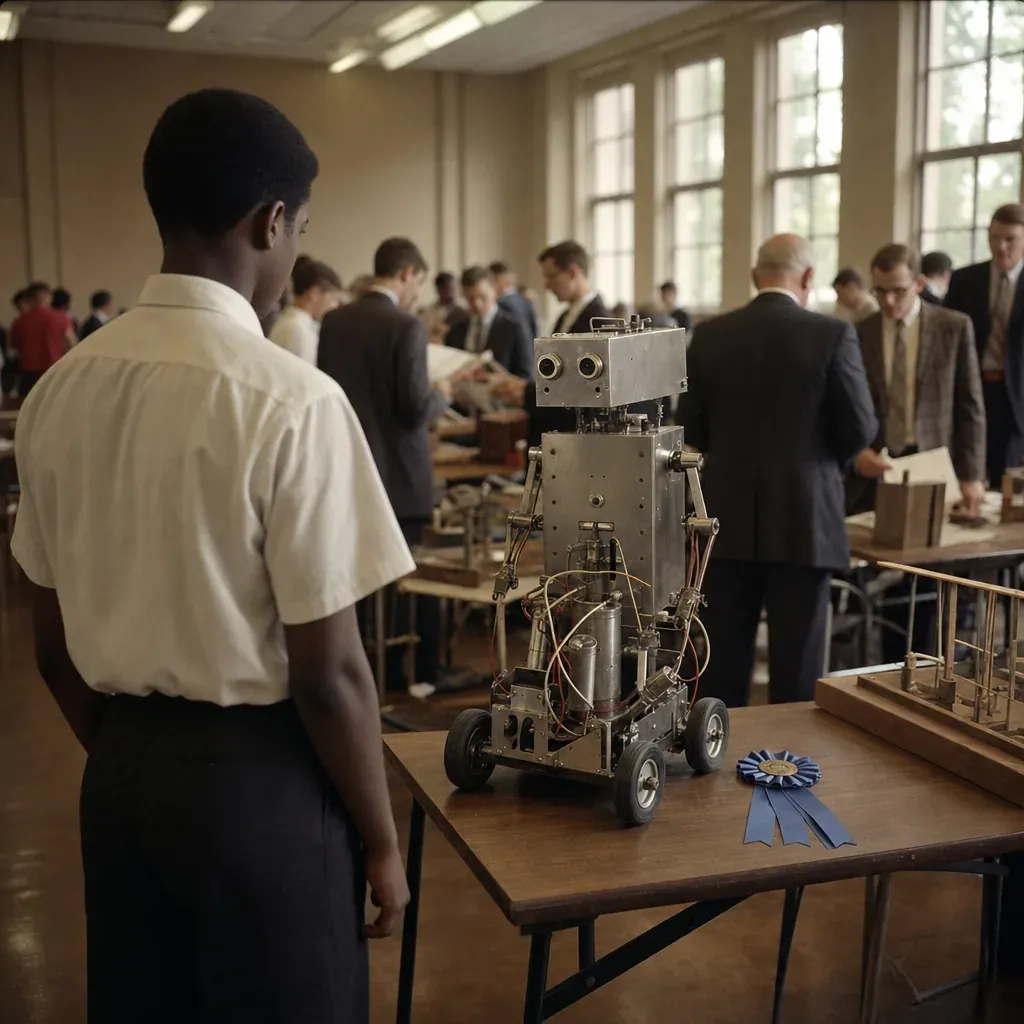
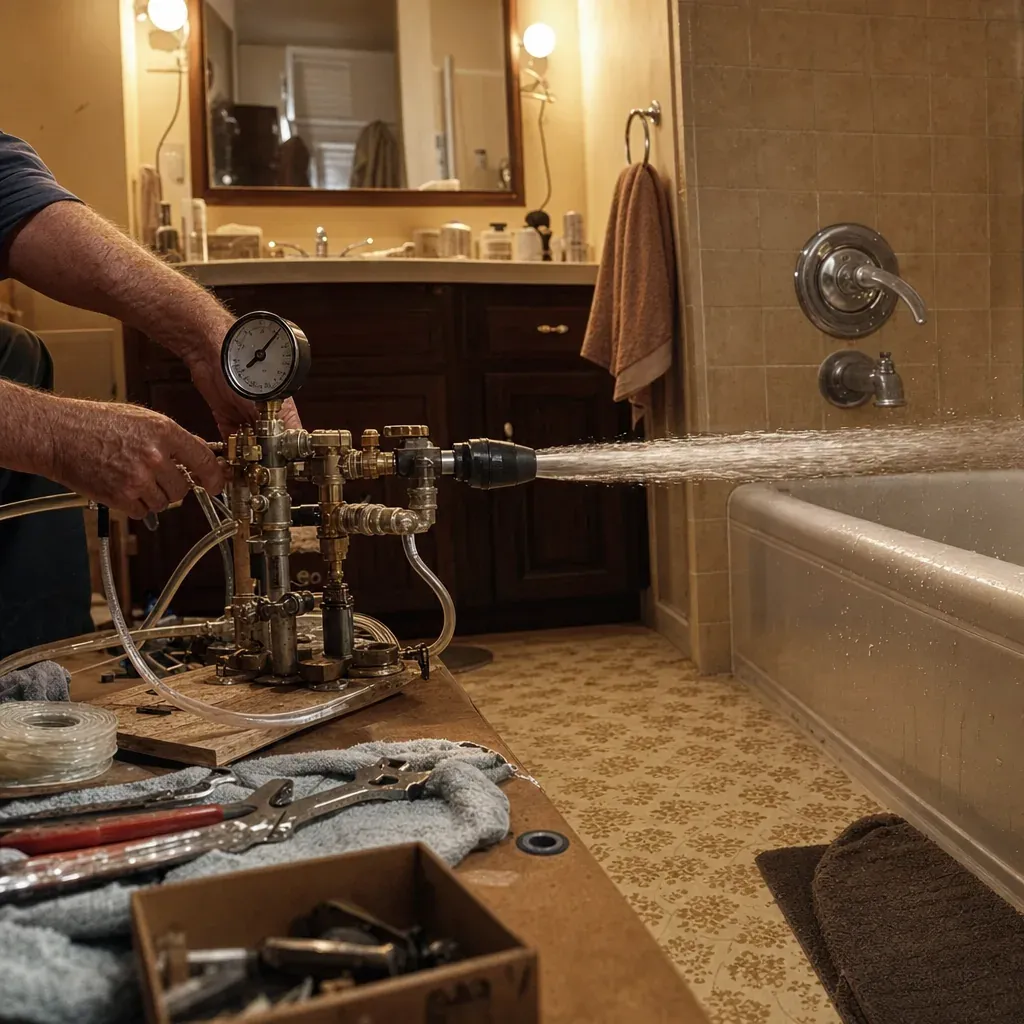
Before the Super Soaker drenched backyards, driveways, and unsuspecting uncles, it began with a homemade robot and a long bus ride across Alabama. The robot’s name was Linex, and it ran on compressed air. Lonnie Johnson was a senior at Williamson High School in Mobile when he took Linex to a Junior Engineering Technical Society science fair at the University of Alabama. He was a teenager with an engineer’s patience and a builder’s eye, the kind of person who could look at scrap and see possibility hiding in the pile. Linex wasn’t sleek in the way store-bought things are sleek. It was homemade, built largely from scrap, and that was part of its charm: parts gathered, fitted, tested, adjusted, and brought back to life through sheer belief and tinkering. Johnson made the trip from Mobile to Tuscaloosa with the robot he had built himself. At the fair, students showed off their projects, each hoping the judges would notice the work behind the wires, switches, and carefully prepared displays. Johnson later recalled that he was the only Black student in the competition. He had arrived in a place where he stood out before his robot ever moved. Still, the focus was Linex. The machine did what Johnson had built it to do. It drew attention. It made people stop and look twice. And then came the turn: Linex took first prize. No fireworks. No parade. Just a blue ribbon for a Mobile teenager and his compressed-air robot, which is somehow even better. It’s easy to picture the moment as small and bright — a young inventor standing beside a machine made from scrap, carrying home proof that his ideas could travel farther than he had. That blue ribbon didn’t make Lonnie Johnson famous. Not yet. But it offered an early glimpse of the road ahead, the kind of little victory that can feel huge when you’re the one holding it in your hands. After high school, Johnson earned engineering degrees from Tuskegee University. He later worked on NASA missions, including Galileo. The teenager who had brought Linex to a science fair didn’t stop building, testing, and chasing ideas that seemed just out of reach. Years later, in 1982, Johnson was experimenting with a heat-pump idea when something unexpected happened. A stream of water shot across a bathroom. It was not, at first, a grand toy-company moment. It was more like the universe clearing its throat and saying, “Well, that’s interesting.” Johnson realized he hadn’t just made a mess. He had made an excellent toy. That accidental burst of water eventually became the Super Soaker, which reached stores in the early 1990s and became one of the most recognizable toys in America. It went on to more than $1 billion in sales. Somewhere along the way, countless kids discovered the special joy of ambushing someone with a water blaster and running away laughing like they’d just pulled off a bank heist. But the sweetest part may still be that first win in Alabama. Before the big sales, before the shelves full of bright plastic water guns, before the NASA missions and the famous name, there was Lonnie Johnson showing up with Linex. A homemade robot. A blue ribbon. A quiet sign that his inventions could make people stop, smile, and look twice. And that’s a pretty wonderful place for a splash to begin.