Duke Ellington at Newport: the comeback solo Paul Gonsalves played into the wrong microphone
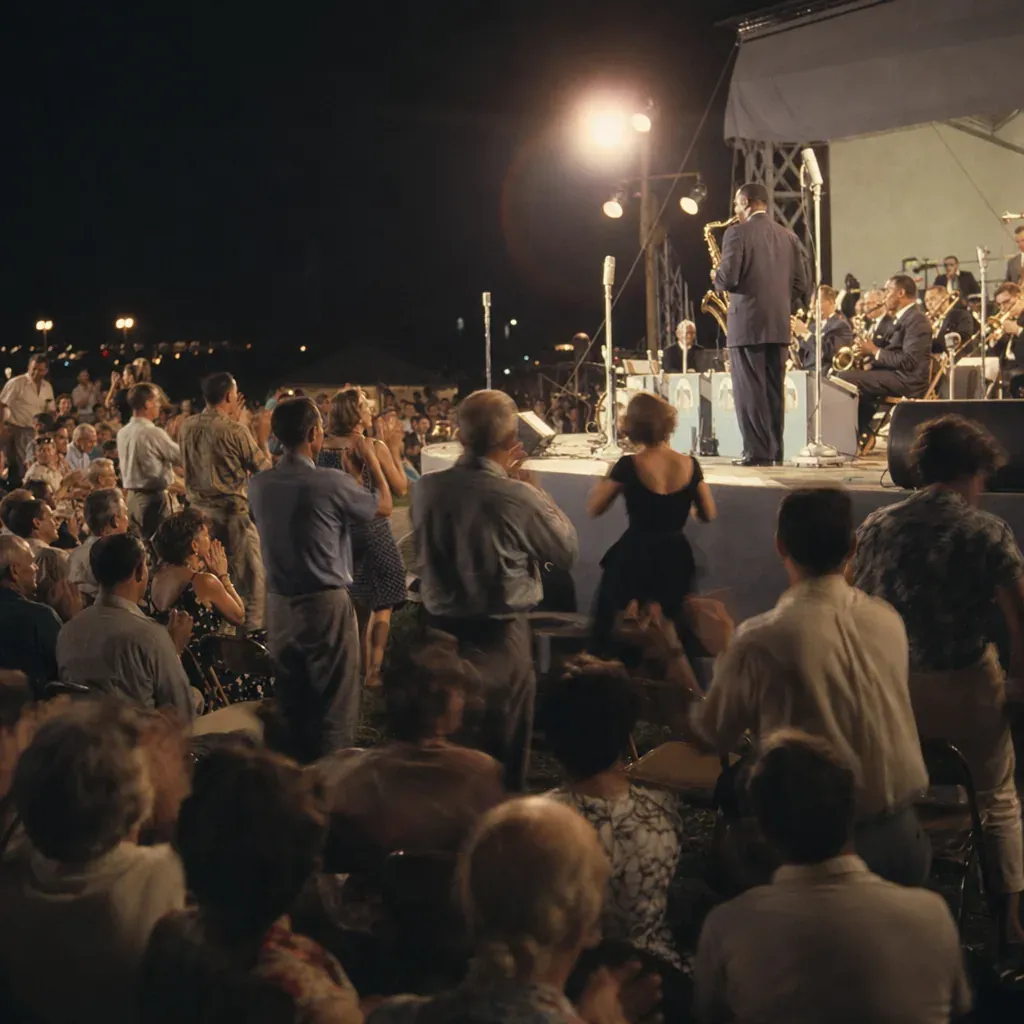
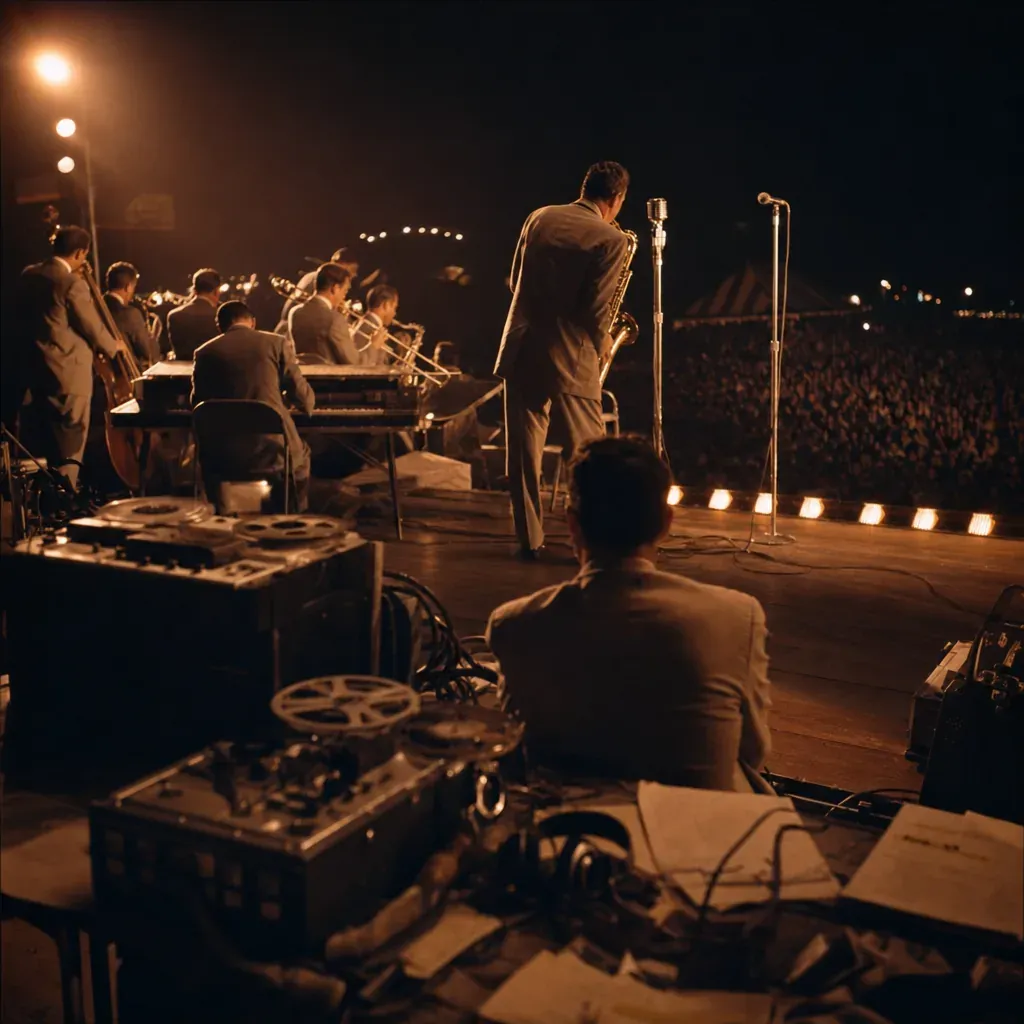
By the time Duke Ellington called the tune, the night air at Freebody Park had the sleepy feel of a party running out of coffee. Then a tenor saxophone began to climb, and climb, and climb. Paul Gonsalves was standing with Ellington’s orchestra at the Newport Jazz Festival, a member of the band since 1950 and, on this night, the man with a small but important job. Ellington had reached back for an old 1937 number, “Diminuendo and Crescendo in Blue,” and Gonsalves was supposed to connect the two halves with a solo. The crowd had been listening politely. Maybe too politely. Ellington’s orchestra was on late, and you can almost picture the folding-chair slump of it all: programs in laps, summer jackets wrinkling, people trying to look awake because it was Duke Ellington, after all. Then Ellington turned the spotlight toward Gonsalves. The tune began its familiar shape, and when the space opened, Gonsalves stepped into it. One chorus. Then another. The drummer, Sam Woodyard, kept pressing behind him, nudging the music forward like someone saying, “Go on, then.” Ellington, at the piano, urged him along too. Gonsalves didn’t stop. The solo kept rolling out, chorus after chorus, 27 in all. It wasn’t a neat little bridge anymore. It was a road, and Gonsalves was taking everybody down it. The band roared around him. The sleepy edges of the festival started to shake loose. And then came the turn people would talk about afterward: listeners who had been sitting so nicely began to rise. They shouted. They danced. Near the stage, a woman in a black dress started swaying, and she became part of the story herself, as if the music had reached out, tapped her shoulder, and said, “You. Yes, you.” It’s a funny thing, the way a night can change. One minute a crowd is respectable and still. The next, a jazz festival is behaving like somebody opened a window in a hot room. Gonsalves kept blowing. There was also, because real life enjoys adding a wink to its great moments, a technical snag. Gonsalves had been playing toward the wrong microphone. Not just a little mistake, either — the kind of detail that makes you imagine a record producer somewhere trying very hard not to clutch his hat. That producer was George Avakian of Columbia Records, and his recording of the performance wasn’t ideal. But the moment was too alive to disappear. A Voice of America broadcast tape helped preserve what had happened, the breath and heat and commotion of it. Parts of the original “Ellington at Newport” LP were later supplemented with studio re-creations, and the complete live performance was restored for later releases. The payoff was enormous, and sweet in the way only a surprise can be. The album became the best-selling record of Ellington’s career. Soon after, Ellington appeared on the cover of Time, dated August 20, 1956 — a grand public nod for a band that had just shown how much fire it still carried. Ellington later summed up that Rhode Island night with a line that sounded almost like he was naming a second birthday: “I was born at Newport.” And Paul Gonsalves? He played one long solo, aimed a little off-mic, and helped wake up the whole room.
Listen to this story, narrated.