Managaha Island Is Saipan’s Postcard Beach, but Its Sweetest Story Is the Chief Who Chose It as His Resting Place
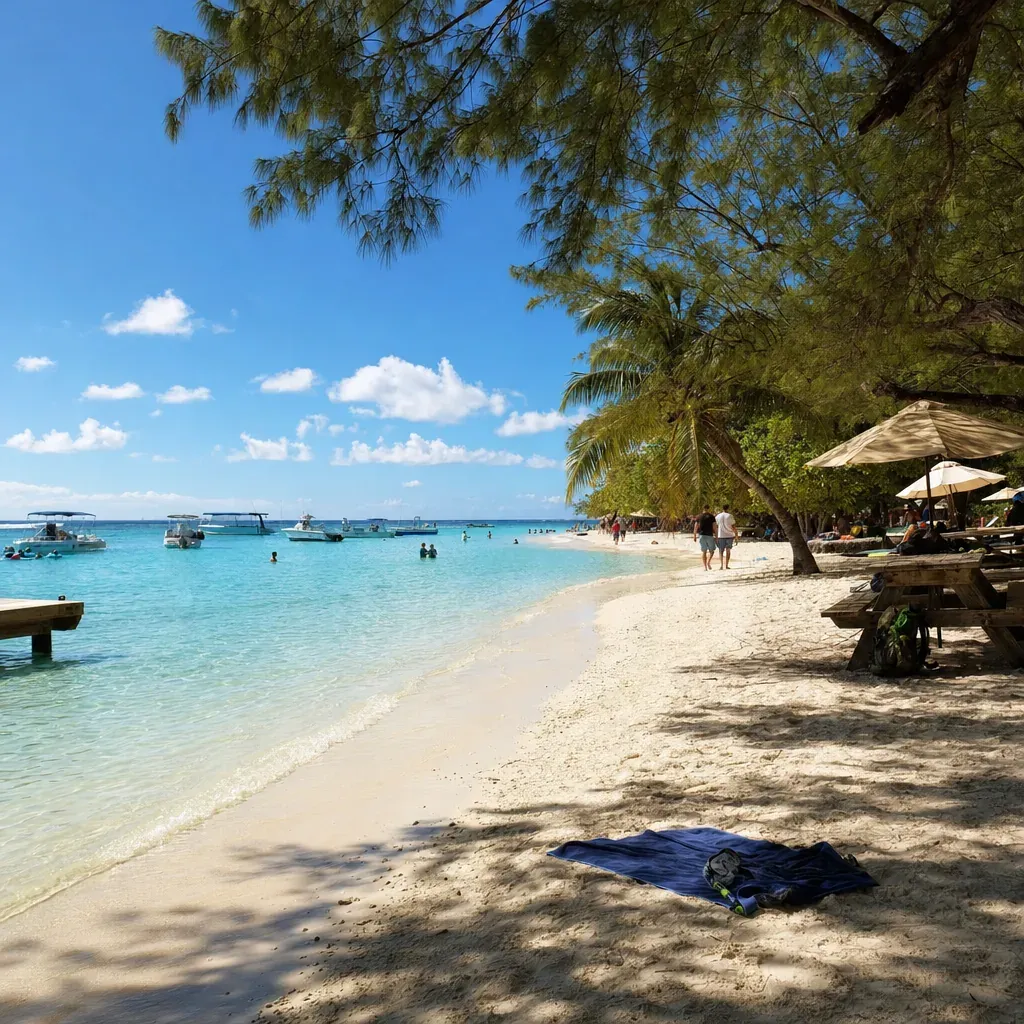
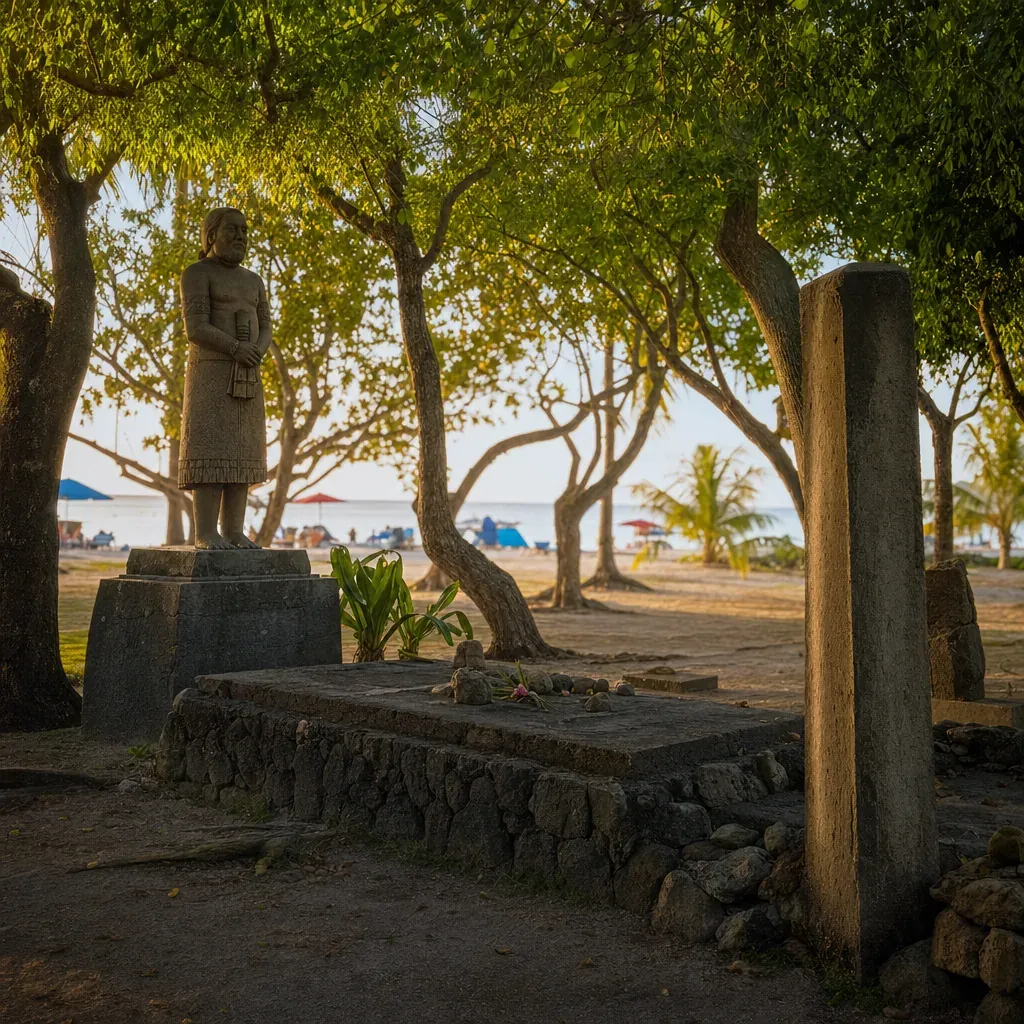
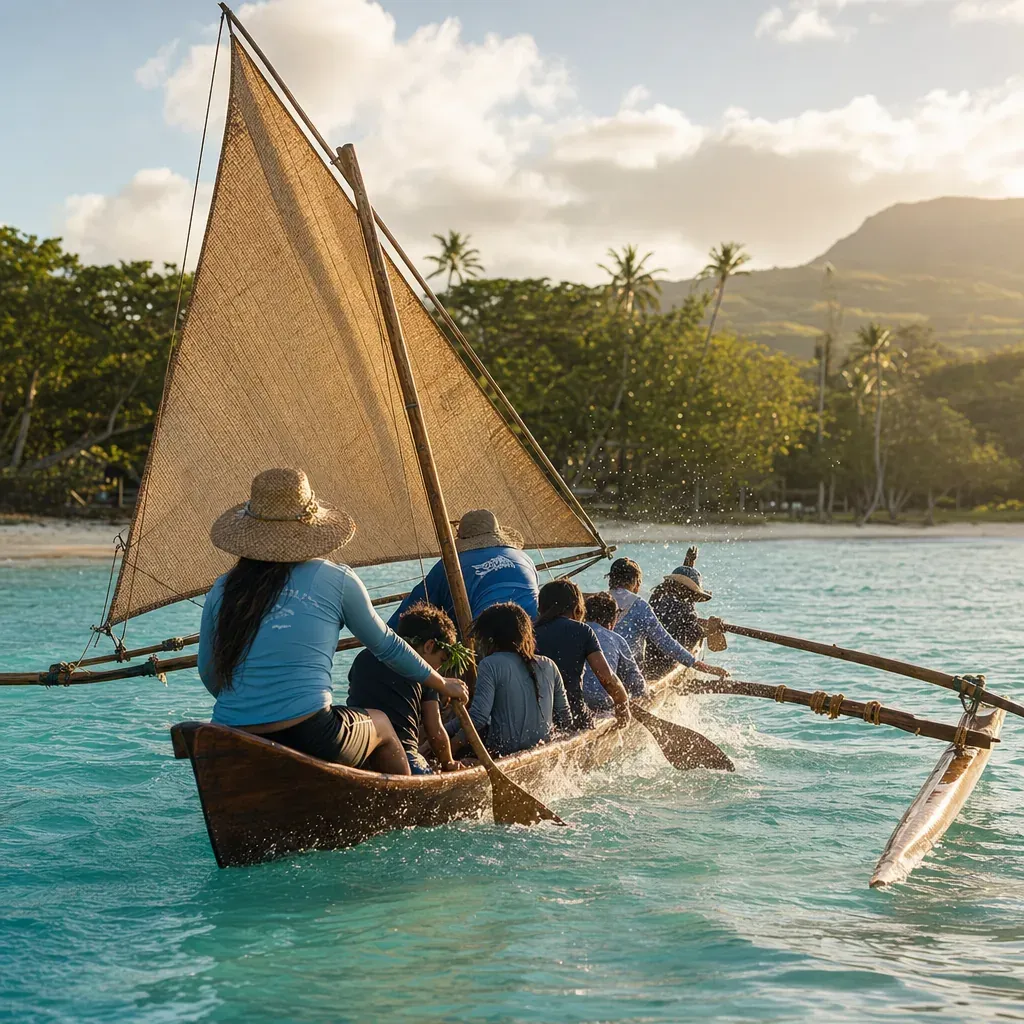
On Managaha Island, the sand is bright enough to make you squint, and the water looks like someone polished it before the boats arrived. Most people come carrying snorkels, towels, and the noble dream of eating lunch without seasoning it with half the beach. Long before Managaha became a favorite day trip from Garapan, its story was tied to Chief Aghurubw, a Carolinian leader from the western Caroline Islands. In oral tradition and local histories, he is remembered for helping seafaring families find a new home in the Northern Marianas. What he wanted was simple and enormous: a place where his people could live, work, raise families, and keep going. Picture the island now, and it’s easy to start with the cheerful noise: boat engines humming in from Saipan, sandals slapping on the dock, someone laughing because a gust of wind has turned a beach umbrella into a small personal sailing experiment. There are picnic tables, clear shallows, and the happy confusion of vacation—coolers, sunscreen, children darting toward the water as if the lagoon has personally invited them. Then the older story steps quietly into the scene. In the early 1800s, Carolinian families made their way from the western Caroline Islands to Saipan. They carried knowledge of ocean routes, canoes, weather, and the kind of courage that doesn’t make much noise because it’s too busy doing the necessary thing. According to Carolinian oral tradition and local histories, Aghurubw led them there, and Spanish authorities allowed them to settle. Saipan became home. Not a backdrop, not a temporary stop, but home. The families who arrived with Aghurubw became part of the island’s living Carolinian heritage, woven into language, dance, canoe knowledge, and family names. Those aren’t museum words when they belong to people. They’re the sound of a greeting, the steps of a dance, the curve of a canoe, the name someone answers to when called across a yard. When Aghurubw died in the 19th century, tradition says he was not buried in the middle of the village. He was buried on Managaha, the little island close enough to Saipan to feel near, but far enough away to sit apart in the lagoon like a quiet front porch. It’s easy to see why the image has stayed with people: the chief who helped his people find a home resting just offshore, watching without fuss, as if he had only stepped outside for some air. Today, visitors may arrive thinking mostly about coral, sun, and whether their flip-flops are still where they left them. Then they find Aghurubw’s grave and statue sharing the island with beach umbrellas and day-trippers, and the mood shifts, gently. Nothing scolds. Nothing interrupts the day. The island simply widens. That may be Managaha’s softest kind of welcome. It lets people splash, snorkel, nap, and unwrap lunch at a picnic table, while also holding space for the navigator-chief whose story runs deeper than the lagoon. There’s a little island humor in it, too: thousands come for the snorkeling and the sunburns, but the person most at home there is still Aghurubw, who somehow picked the prettiest address in Saipan. Managaha, small as it is, carries both kinds of memory at once—the bright vacation picture and the quiet resting place of a leader who helped his people begin again. The lagoon keeps him close.