L.L.Bean Boots: The First Big Order Mostly Came Back, and Leon Bean Refunded It
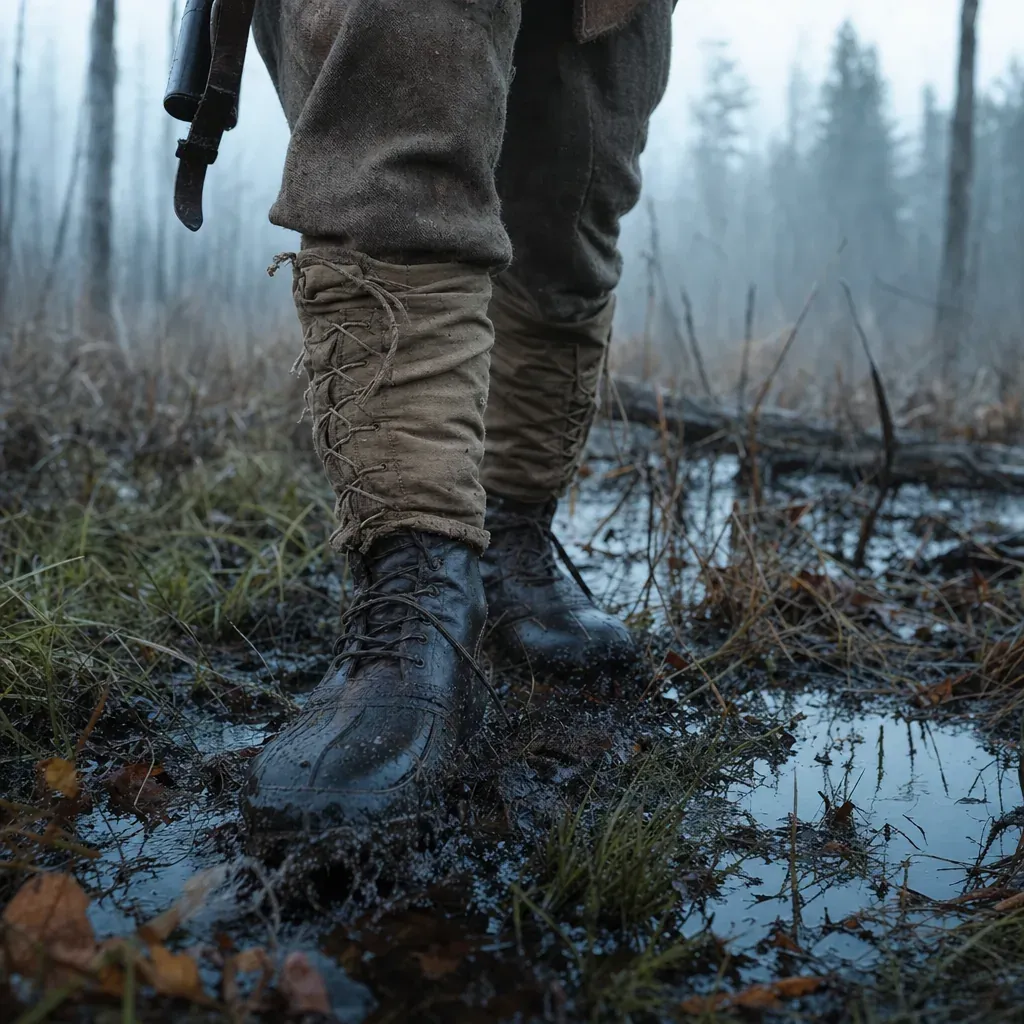
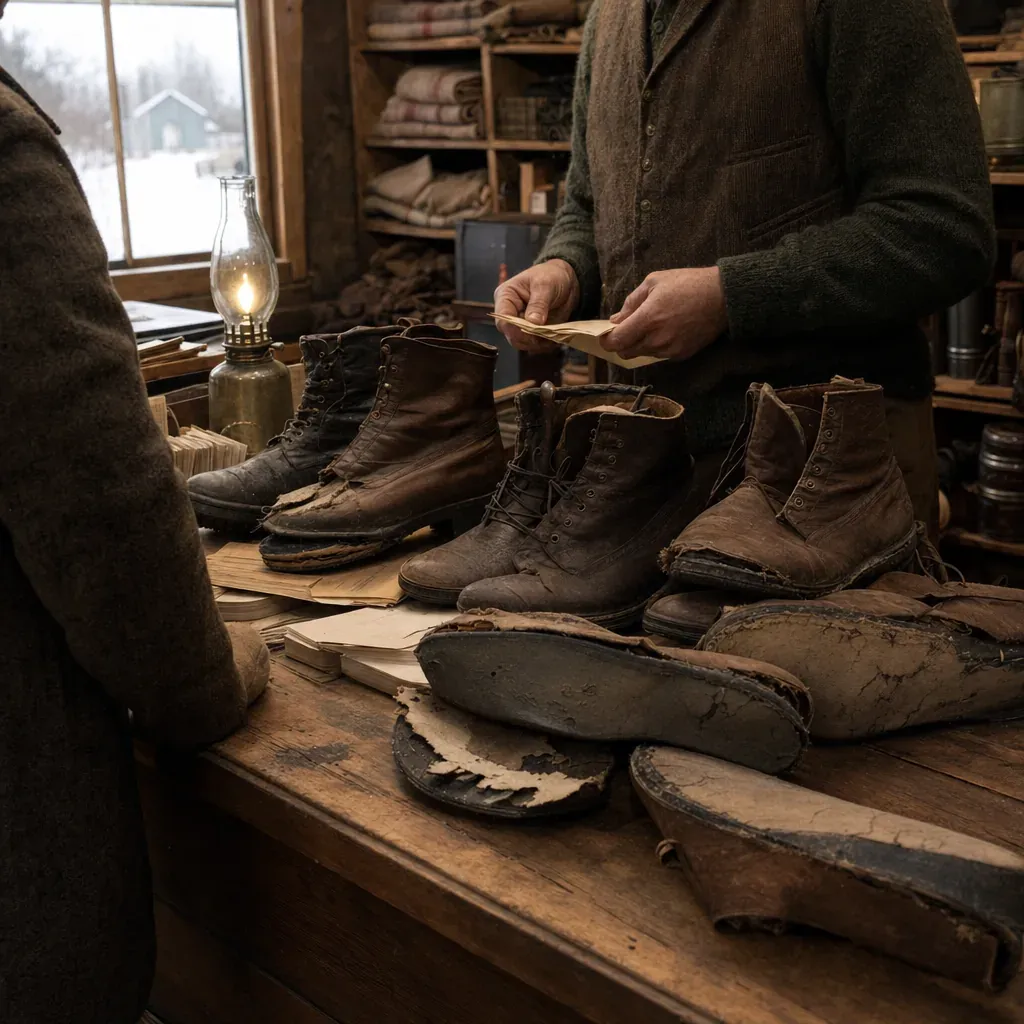
The boot that helped make L.L.Bean famous began with wet feet — and then, inconveniently, with the tops peeling away from the bottoms. Before L.L.Bean was a Freeport landmark, before its catalog sat on kitchen tables across America, Leon Leonwood Bean was a Maine outdoorsman with a practical problem on his feet. He wanted a better boot for hunters who knew the misery of slogging through wet ground with cold, soggy socks. So Bean tried something new. He stitched leather uppers to rubber bottoms and called the result the Maine Hunting Shoe. It was a sensible idea, the kind that feels obvious only after someone else has thought of it: leather where you wanted support, rubber where the mud and water were waiting. Then he did what a hopeful businessman does. He mailed out a circular to out-of-state hunters who had bought Maine hunting licenses, promising satisfaction. That promise mattered. The idea caught on quickly. Hunters ordered the shoes. Bean had found his audience: people who understood the value of dry feet and were willing to take a chance on a new piece of gear from Maine. And then the shoes came back. Not a few of them. Not a small, polite trickle. Of the first 100 pairs sold, about 90 were returned after the stitching failed and the leather tops separated from the rubber bottoms. The Maine Hunting Shoe had gone out into the world with confidence and returned looking as if it had changed its mind halfway through the trip. There’s a gentle comedy in that. Maine’s most famous boot began by walking right back to the store. But for Bean, it was no small thing. A new product had failed almost as soon as it had succeeded. Customers were disappointed. The flaw was real. The cost was real, too. It could have ended there, with a sheepish inventor, a pile of faulty boots, and a reputation as damp as the feet he had hoped to keep dry. Bean could have blamed the stitching, the weather, the customers, or plain bad luck. Instead, he honored the promise he had printed and mailed. He refunded the customers. Then he fixed the flaw. That was the turn in the story. Not the first sale. Not the clever design. Not even the fact that hunters had been interested enough to buy the shoes. The important part came after the failure, when Bean chose to make things right. The company would later put that idea into words in its catalogs: “I do not consider a sale complete until goods are worn out and the customer still satisfied.” It’s a big sentence, but it grew from a plain moment. A customer bought something. It didn’t work. The man who sold it took responsibility. From that faulty first batch grew the L.L.Bean business in Freeport, where the flagship store and its giant Bean Boot still celebrate the product that started it all. The boot’s first real success wasn’t that it never failed. It was that Leon Bean kept his word when it did. That’s a sturdy way to build a boot.