Washington’s Cherry Blossoms: The Travel Writer Who Wouldn’t Stop Asking for Trees
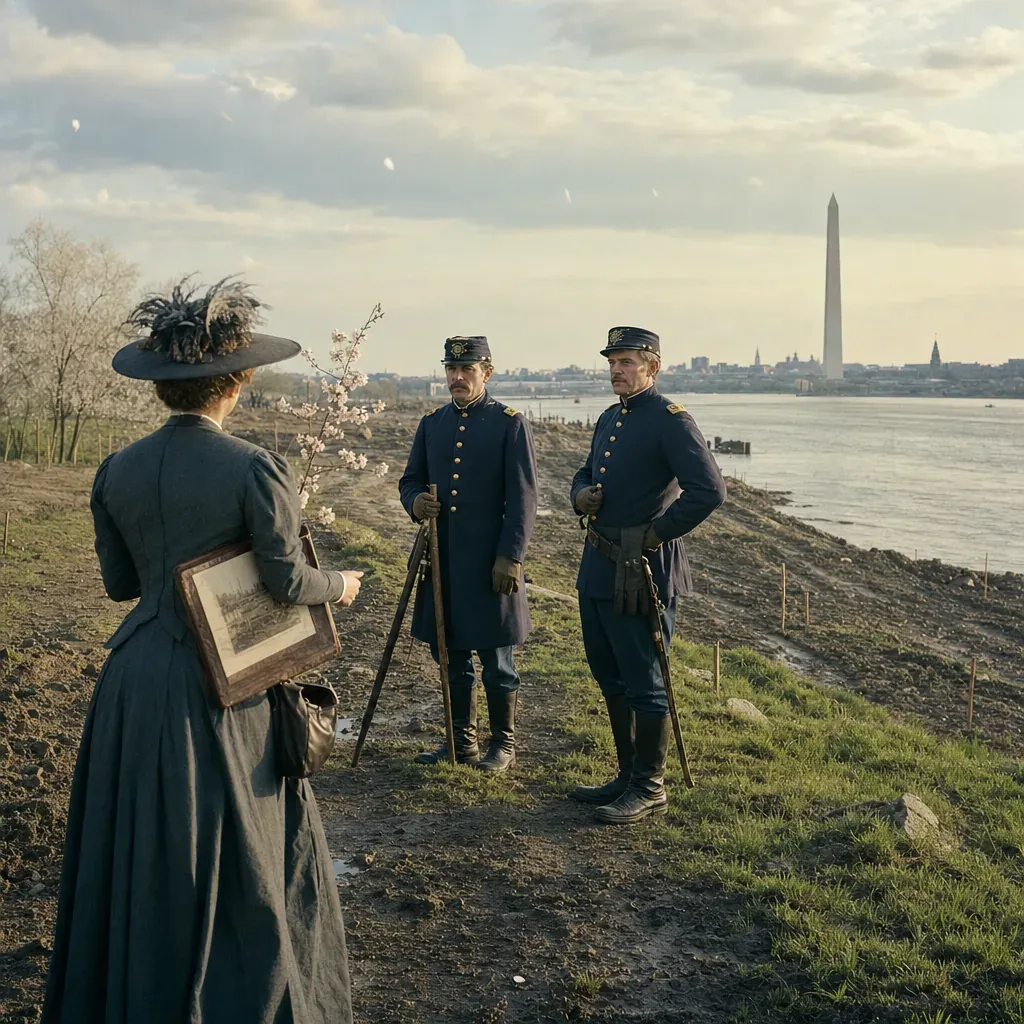
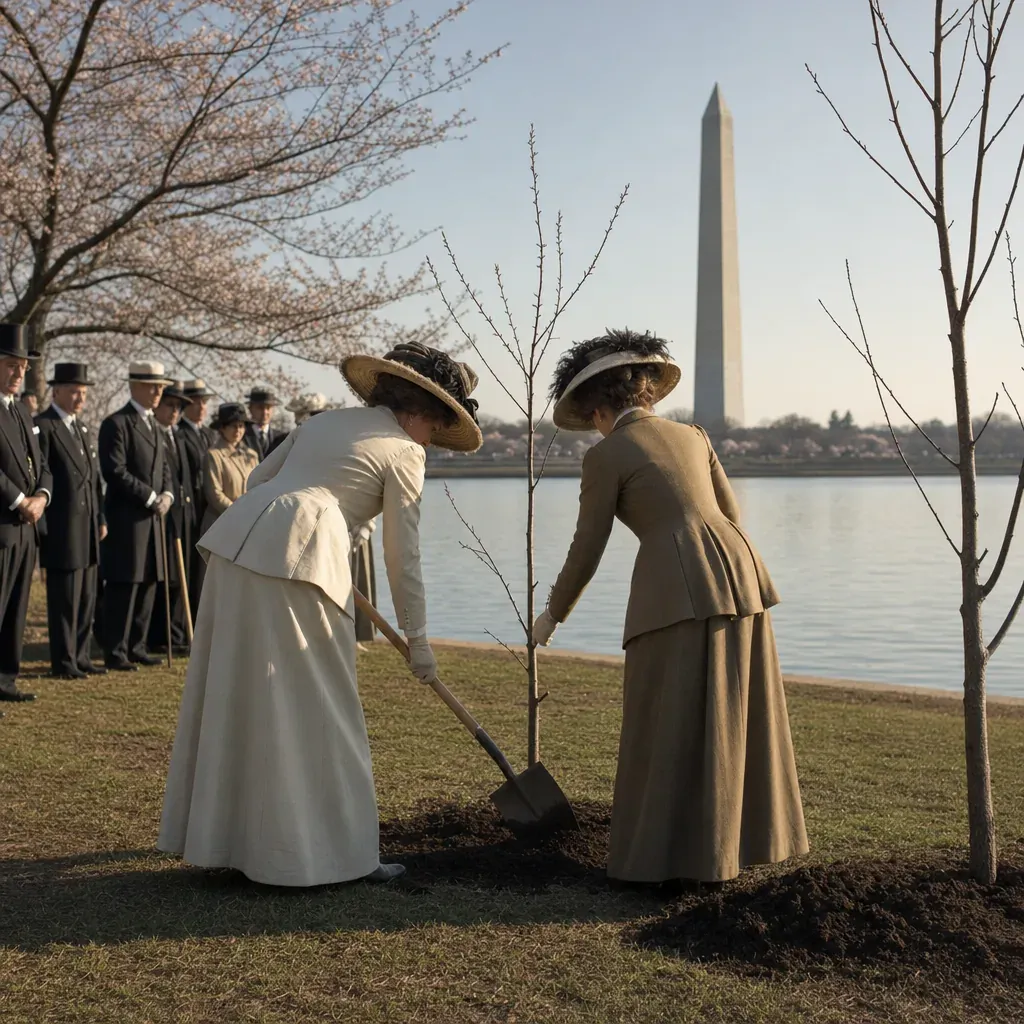
Every spring, the Tidal Basin blushes all at once, pale petals drifting through the air like pink snow that forgot to be cold. Before the blossoms became Washington’s favorite spring crowd-pleaser, they were one woman’s very pretty idea — and almost nobody wanted to hear it. Eliza Ruhamah Scidmore was a writer, photographer, and world traveler in Washington who had visited Japan in the 1880s and fallen hard for its flowering cherry trees. She wanted that same soft burst of spring along the newly reclaimed Potomac waterfront, so she took the idea to the U.S. Army officials then responsible for the city’s public grounds. They said no. Then, in one way or another, they kept saying no. Scidmore did not appear to take this personally, or at least she did not let it stop her. Beginning in the mid-1880s, she returned to the idea again and again, as steady as a person knocking on the same door with a bouquet in hand. Washington had paperwork, procedures, and plenty of official reasons to move slowly. Scidmore had seen cherry blossoms in Japan, and she knew beauty when she saw it. There’s a faintly funny rhythm to the whole thing: a woman suggests planting flowering trees by the water; officials decline; the years pass; she suggests it again; they decline again. Somewhere in the background, the Potomac keeps rolling along, probably wondering what all the fuss is about. Then came the turn. In 1909, Scidmore wrote to First Lady Helen Herron Taft. This time, the idea landed differently. Taft had spent time in Japan and the Philippines, and she knew what cherry blossoms could do to a landscape. She responded quickly and warmly. All at once, Scidmore’s long-dismissed dream had a powerful friend. The plan began to move. Then it stumbled in a way that would have felt almost comic if it hadn’t been so disappointing. A first gift of Japanese cherry trees arrived in 1910, ready to become the beginning of something lovely. But federal inspectors found the trees diseased and infested with insects and nematodes. There was no gentle way around it. To protect American agriculture, the trees had to be burned. After more than two decades of asking, that could have been the end: a smoky little heartbreak, with blossoms still only in Scidmore’s memory. But Japan did not respond with offense. It responded with generosity. Tokyo Mayor Yukio Ozaki arranged a new gift, this one of 3,020 healthy cherry trees. They arrived in 1912, carrying with them the promise Scidmore had been trying to share for so long. On a March day that spring, Helen Taft and Viscountess Iwa Chinda, wife of the Japanese ambassador, planted the first two Yoshino cherry trees beside the Tidal Basin. It was a simple act: earth opened, roots settled, soil pressed back into place. For Scidmore, it meant that an idea once waved away had finally taken root in Washington. The National Cherry Blossom Festival now draws crowds by the hundreds of thousands. People come with cameras, strollers, picnic bags, and the slightly amazed expressions of anyone who has walked into a cloud of flowers and decided not to hurry through it. At the heart of all that pink is still one traveler’s simple thought: Washington would love this, too. And every spring, the city blushes.