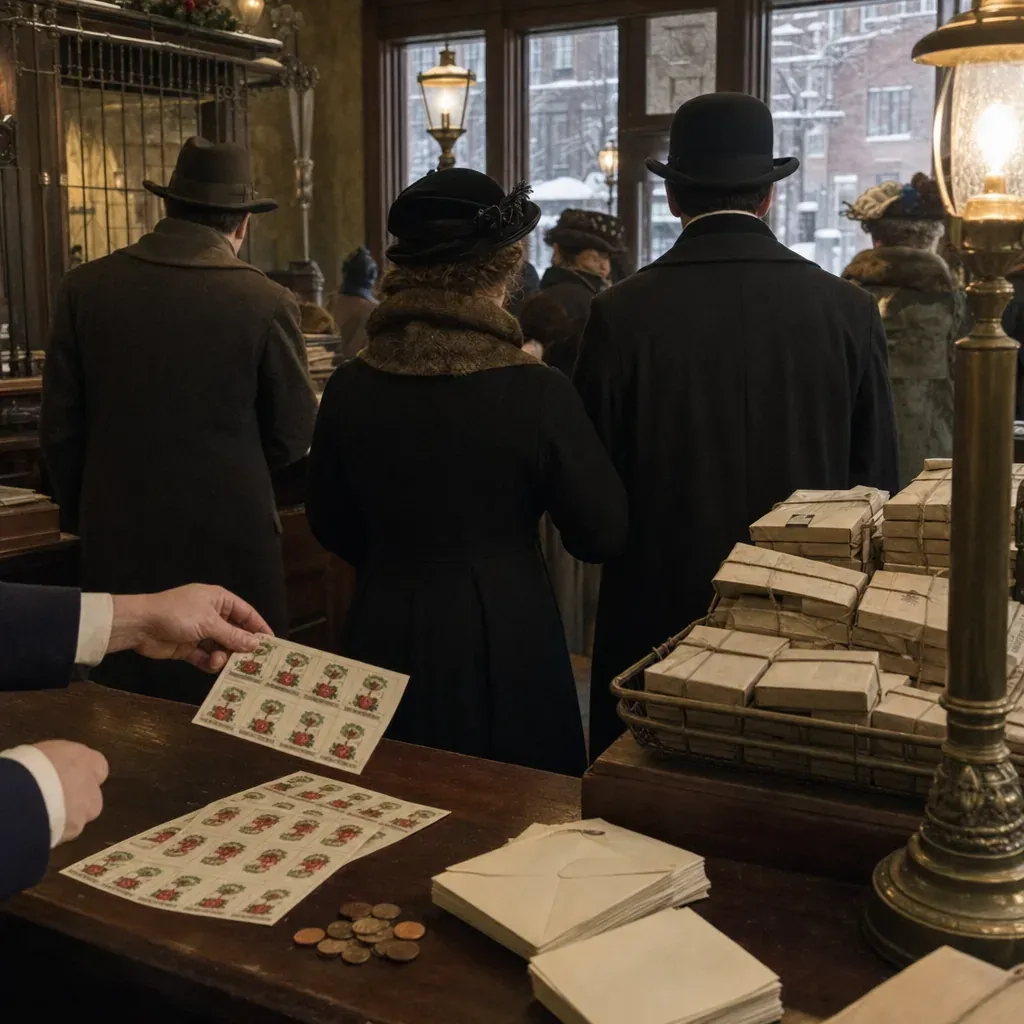
Christmas Seals, and the Wilmington Woman Who Made a Penny Sticker Save a Sanatorium
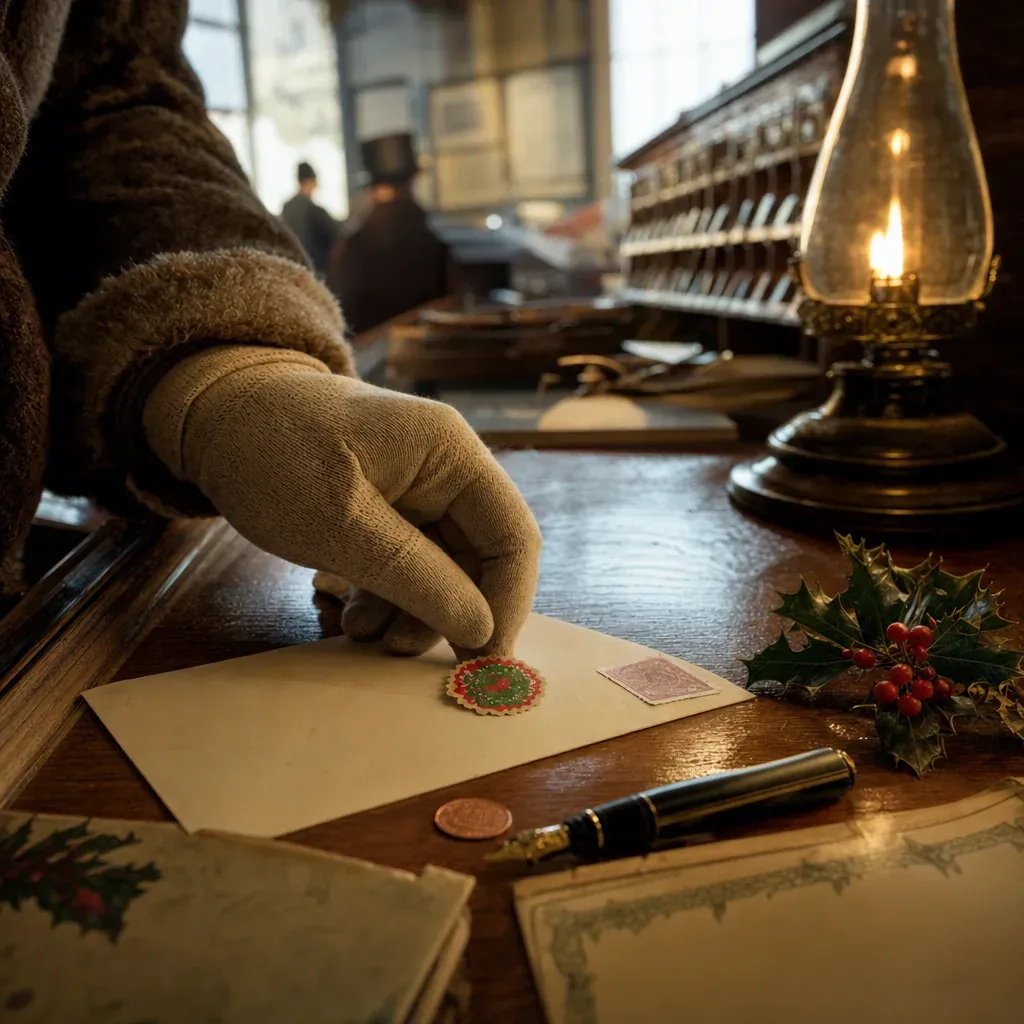
A tiny Christmas “stamp” sat on an envelope with a funny secret: it couldn’t mail anything. It was just along for the ride, a bright little passenger asking for a penny’s worth of help. Emily Perkins Bissell was in Wilmington, Delaware, when the problem landed in her hands. A small tuberculosis sanatorium near the Brandywine needed $300 to stay open. Bissell, a social worker and Delaware Red Cross volunteer, wanted to find the money before the doors had to close. She didn’t begin with a grand campaign. She began with an idea she’d read about from Denmark. There, decorative Christmas stamps were being sold for charity: small, festive, easy to understand, and humble enough to slip into everyday life. Holiday mail was already moving from house to house, carrying greetings, news, and wishes for the season. Maybe it could carry one more thing. So Bissell borrowed the idea and made it her own. She designed a little holiday seal and persuaded people to buy it for one cent. Not a dollar. Not even a dime. Just one penny. Then they could stick it on their Christmas mail beside the real postage. That part gives the story its wink: the Christmas Seal was not postage. It couldn’t send a letter across town, let alone across the country. The actual stamp still had to do the official work, steady and serious in the corner. The seal’s job was different. It rode along quietly, dressed for the holidays, and made a polite request: help. There’s something wonderfully Delaware-sized about the beginning. A small sanatorium near the Brandywine. A goal of $300. A volunteer with a practical mind. A one-cent seal that looked cheerful but had work to do. The first American Christmas Seals went on sale in Wilmington in December 1907. They were sold in places that included the post office, which made their little non-postage identity even more amusing. There they were, among the real stamps, looking official enough to make people pause, but depending entirely on kindness to give them meaning. And people did pause. They bought the seals. They added them to their envelopes. Christmas cards and letters became tiny messengers for the sanatorium. Each penny was small enough to feel like almost nothing, but the trick was that it was never by itself for long. Then the effort caught a lucky turn. Philadelphia newspaperman Leigh Mitchell Hodges promoted the campaign in the North American. With that boost, Bissell’s small Wilmington idea traveled farther than a single counter or a single neighborhood. More people learned what the seals were for. More envelopes carried them. More pennies joined the pile. Bissell had hoped for $300. The seals brought in about $3,000. Ten times the goal. That was enough to save the sanatorium, which had been the urgent reason for the whole effort. But the little seal didn’t stop there. What began as a practical answer to one local need became the start of a national holiday tradition. For decades afterward, Christmas Seals arrived in American mailboxes, bright and small, turning ordinary correspondence into a shared act of care. Bissell lived until 1948, long enough to see her modest Wilmington experiment become one of the best-known public-health fundraisers in the country. All from a borrowed idea, a holiday envelope, and the belief that there was room beside the stamp for one more small kindness. Sometimes help arrives with a penny and a smile.