Father’s Day Started in Spokane Because Sonora Smart Dodd Thought Her Dad Deserved a Sunday Too
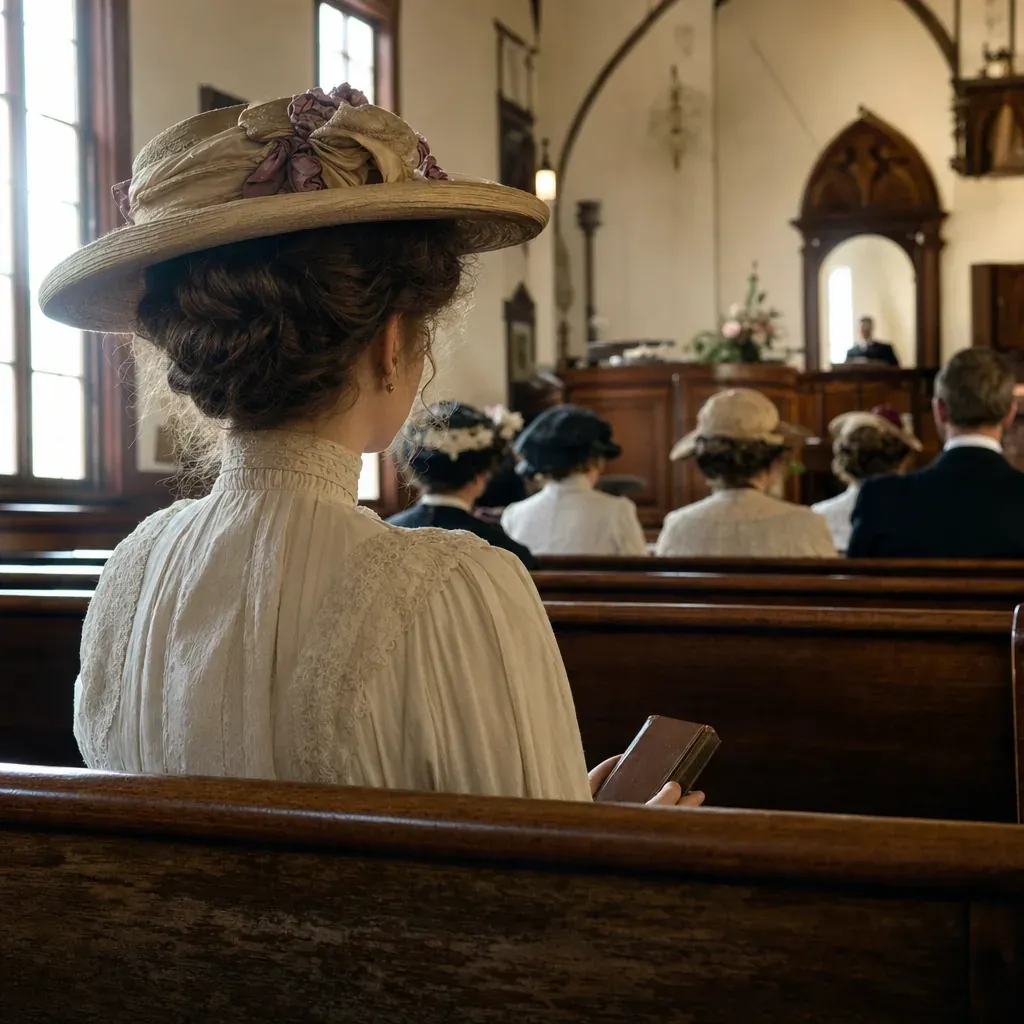
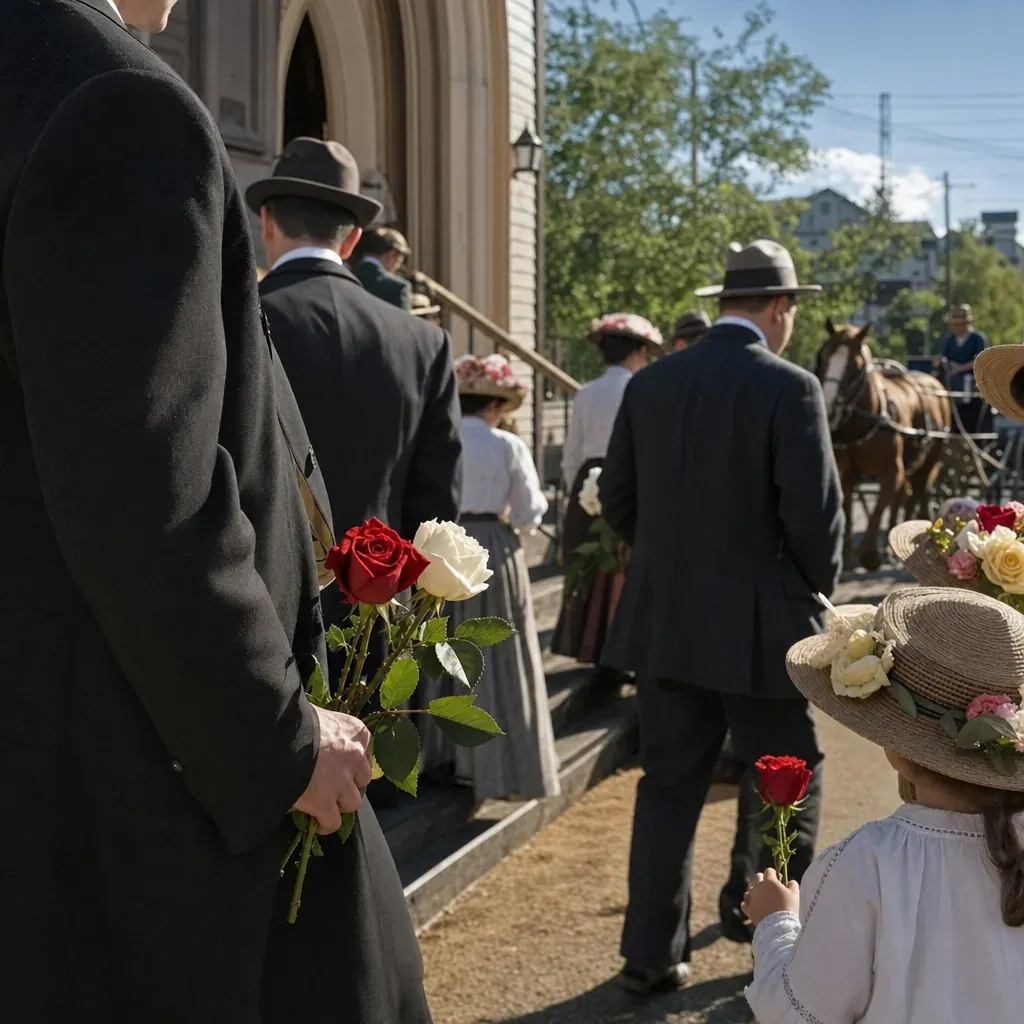
The first Father’s Day had a scheduling problem before it had a calendar square, which feels just about right: even a brand-new holiday had to wait while the ministers got organized. Sonora Smart Dodd was sitting in Central Methodist Episcopal Church in Spokane, listening to a Mother’s Day sermon, when her mind went straight to her father. She wasn’t trying to launch a national tradition. She simply wanted William Jackson Smart — Civil War veteran, farmer, and the man who had raised Sonora and her five brothers after his wife, Ellen, died in childbirth — to be honored, too. It was May 1909, and the idea had the plain sturdiness of something born from real life. If mothers could be thanked from the pulpit, why not fathers? Not in a grand, marble-statue sort of way, but in the ordinary way that mattered to Sonora: the daily showing up, the meals, the work, the patched-together courage it took to keep six children moving forward after loss. So she carried the idea out of church and into town. Sonora brought her proposal to Spokane ministers and the local YMCA. She even had a date in mind: June 5, her father’s birthday. It was affectionate, tidy, and personal — exactly the kind of date a daughter would choose. The clergy liked the idea. They just needed more time. There’s something wonderfully human about that. A holiday meant to honor fathers began with people saying, in effect, “Yes, lovely idea — but could we have a couple more weeks?” No thunderclap. No parade suddenly appearing in the street. Just an inspired daughter, some supportive ministers, and the kind of calendar shuffle that has probably happened in every church office since calendars were invented. So Spokane’s first Father’s Day was set for a Sunday a little later: June 19, 1910. That day, churches around the city took up Sonora’s idea. Fathers were honored with sermons and roses: red roses for fathers who were living, white roses for those who had died. It’s easy to picture the small tenderness of it — a flower pinned or held, a father sitting a bit straighter than usual, perhaps pretending not to enjoy the fuss quite as much as he did. And somewhere inside all of that was William Jackson Smart, the reason Sonora had started knocking on doors in the first place. He had not become important to her because he was famous. He had become important because he stayed. After Ellen died in childbirth, he raised Sonora and her five brothers. That was the labor Sonora wanted people to see: not just the dramatic courage associated with war, though he had been a Civil War veteran, but the quieter courage of a widowed father keeping a household going. Father’s Day did not sweep the country all at once. It moved slowly, almost shyly. Sometimes it was helped along by public support. Sometimes it was made a little silly by advertising for neckties and tobacco, which must have given the holiday the occasional whiff of a department store counter. A day born from one daughter’s gratitude had to wander through the land of gift suggestions before it settled into American life. Sonora kept at it for decades. Presidents began to notice. Woodrow Wilson publicly supported the idea. Calvin Coolidge did, too. Years later, Lyndon B. Johnson issued a Father’s Day proclamation in 1966. Richard Nixon made it a permanent national holiday in 1972. By then, Sonora Smart Dodd was still alive to see what had come of that thought in a Spokane church. What began as private gratitude for her own father had become a Sunday marked on every American calendar. It started with one daughter wanting her father to get a little fuss.