Maya Angelou Is Famous for Her Voice; in Stamps, Arkansas, Mrs. Flowers Helped Her Use It Again
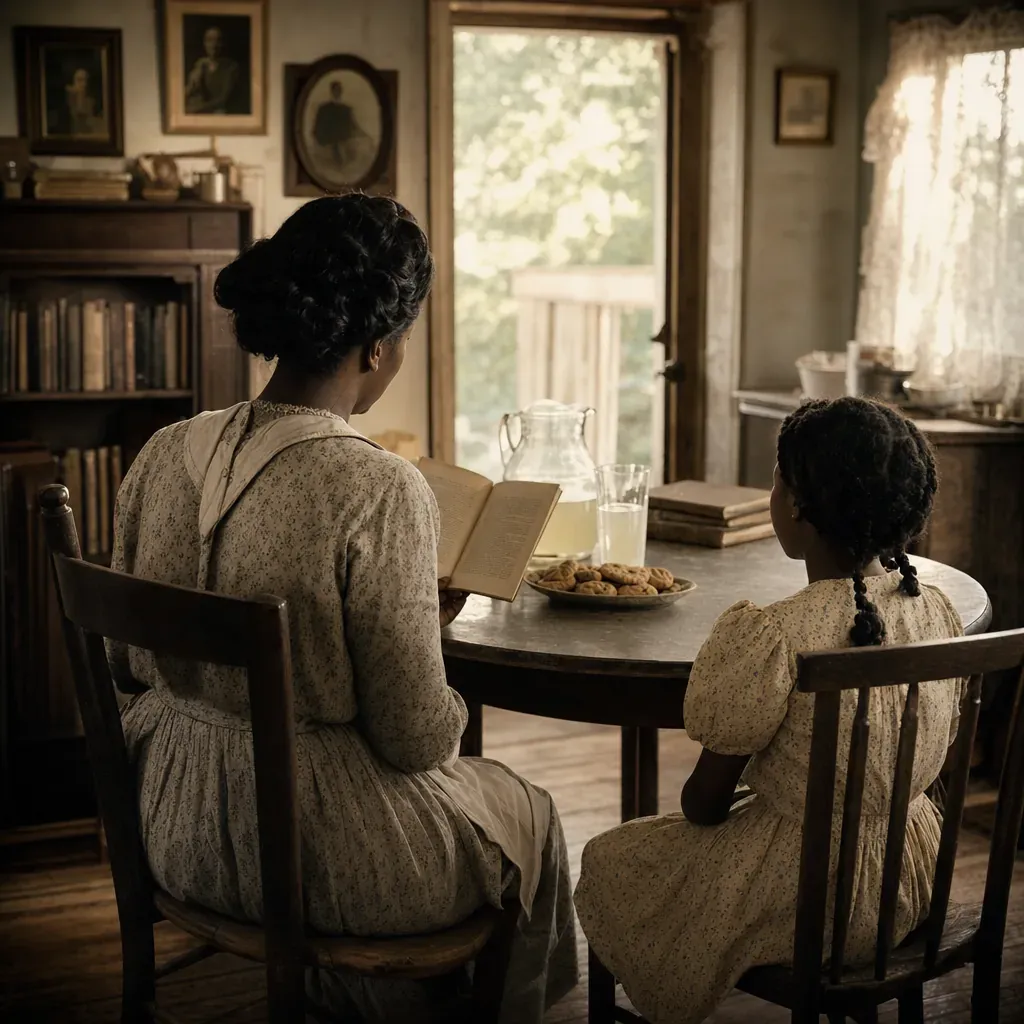
The cookies were homemade, the lemonade was cool, and the books came with an instruction that must have sounded strange to a girl who had grown used to silence: read them aloud. Before she was Maya Angelou, before the poems and memoirs, before she read “On the Pulse of Morning” at President Bill Clinton’s inauguration, she was Marguerite Johnson in Stamps, Arkansas. She lived with her grandmother, Annie Henderson, who ran the Wm. Johnson General Merchandise Store. Marguerite was quiet then, not shy in the ordinary way, but silent after childhood trauma had pushed her inward for years. Books were her company. Printed words were safe. They didn’t ask questions, didn’t stare, didn’t hurry her toward an answer she wasn’t ready to give. A page could wait in her hands. Then came Bertha Flowers. Angelou would later call Mrs. Flowers “the aristocrat of Black Stamps.” You can almost feel the straight spine of the woman, the care in her manner, the sense that she carried herself as if life deserved good posture. She was a neighbor, refined and observant, and one day she did something small enough to fit inside an afternoon but large enough to stay with Marguerite for the rest of her life. She invited the girl to her house. That was the first gift: being singled out. Not scolded. Not studied like a problem. Invited. At Mrs. Flowers’s home, there were homemade cookies and lemonade. Of all the grand tools people imagine when they think of changing a child’s life, here were cookies, sitting there doing their humble, sugary duty. There was sweetness on the table, and there was no rush. Mrs. Flowers read aloud. Marguerite already loved words on the page. But hearing them spoken was different. The words lifted. They warmed up. They moved through the room with a human breath behind them. Mrs. Flowers told her that words needed the human voice to give them deeper meaning, that print alone was not the whole of language. For a girl living in silence, that was not a lecture. It was an opening. Mrs. Flowers did not try to drag Marguerite back into speech. She didn’t make a performance of concern. She treated her as someone capable of receiving beauty, someone who could be trusted with books, someone whose voice was not gone forever just because it was quiet. Then she sent Marguerite home with books and an assignment: read the sentences aloud. Not shout them. Not explain herself. Just read. There is something wonderfully gentle about that expectation. Mrs. Flowers didn’t demand a confession or a cure. She offered Dickens, cookies, lemonade, and the idea that a sentence deserved to be heard in the air. She made literature feel alive, not like homework, but like something that could sit beside a child and keep her company until she was ready. The turn in the story was not dramatic in the way movies like drama. No door burst open. No one made a big speech. It was quieter than that: a woman reading, a girl listening, a plate of cookies nearby, and the careful belief that Marguerite’s voice mattered. Later, Maya Angelou credited Mrs. Flowers with helping draw her back toward speech. That afternoon did not solve everything at once, but it gave her something tender and practical to hold: books to carry, words to practice, and the dignity of being seen. A neighbor in Stamps did not try to fix a child with a speech. She helped her find her own.