The Girl Scouts and the Savannah Phone Call That Started It All
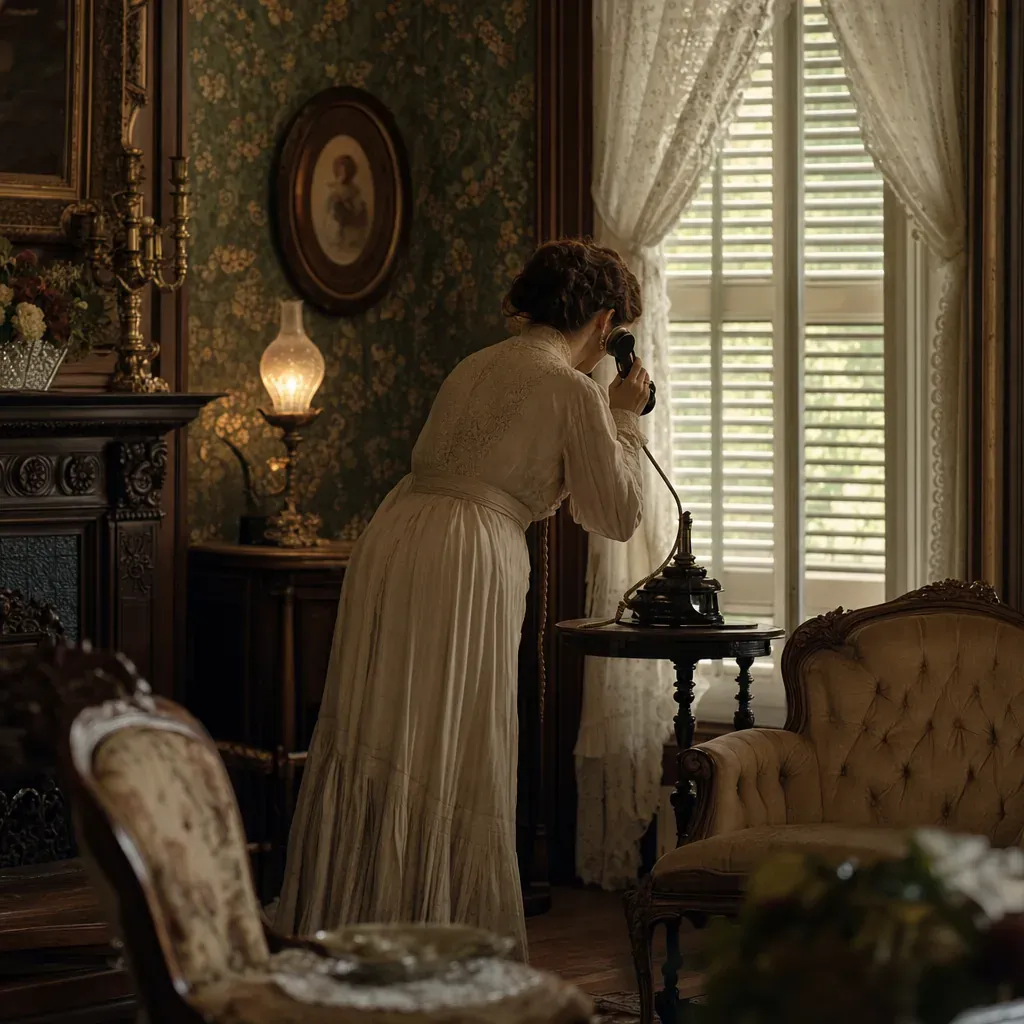
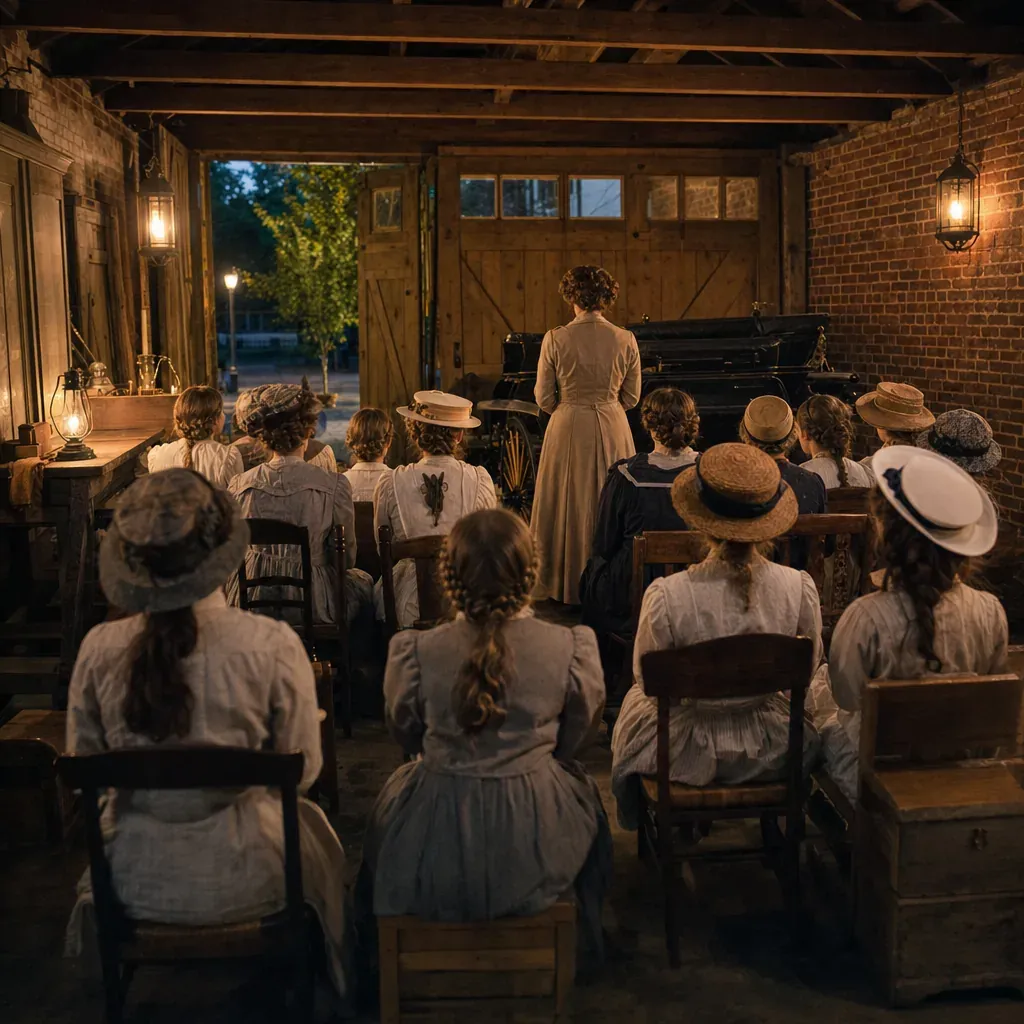
Before the uniforms and badges, before summer camps and cookie tables outside grocery stores, the Girl Scouts began with a hard-of-hearing woman and a telephone. It’s a funny beginning: a big idea for “all the world” squeezed through the everyday machine of its time. Juliette Gordon Low was in Savannah, Georgia, where she had been born and raised in the Gordon family home on Oglethorpe Avenue. Her family and friends called her Daisy, a name that suits someone willing to start something enormous with the energy of a neighbor asking you to come over for coffee. By 1912, she was 51, widely traveled, and inspired by Sir Robert Baden-Powell’s Scouting movement in Britain. She wanted something for girls. Not a quiet little pastime. Not a finishing-school version of adventure. Something broader, livelier. Something that would open a door. Daisy had lived for years with hearing trouble and was nearly deaf, which makes what happened next feel even more human. She picked up the telephone. On March 12, 1912, she called her cousin, Savannah educator Nina Anderson Pape. There was no grand platform, no national announcement, no polished campaign with perfect lettering and printed programs. Just one cousin calling another, full of urgency. The words Girl Scout histories have preserved sound as if Daisy could barely wait for the sentence to leave her mouth. “Come right over! I’ve got something for the girls of Savannah, and all America, and all the world, and we’re going to start it tonight!” You can almost hear the exclamation points bumping into each other. It’s the “tonight” that makes the whole thing sparkle. Plenty of people have ideas for someday. Daisy had an idea for right now. She didn’t say, “Let’s form a committee and circle back.” She didn’t say, “Perhaps, after careful consideration.” She called Nina and, in effect, flung open the front door. That evening, Daisy organized the first American Girl Guide troop with 18 girls in Savannah. Eighteen girls. Not “all the world,” not yet. Just enough to gather in a room and begin. There’s a gentle comedy in the scale of that first promise. Daisy had claimed Savannah, America, and the world before she had even filled a room. But she wasn’t being silly. She was being Daisy. She had seen a possibility and spoken about it in its full size, even while it was still small enough to count on fingers and toes. The movement soon became the Girl Scouts of the USA. The name changed, the organization grew, and the idea stretched far beyond that first Savannah night. What began with 18 girls became something millions of girls and alumnae would recognize as part of their own stories. Daisy’s carriage house later became the Girl Scout First Headquarters, a fitting detail for a beginning that feels both practical and bold. A carriage house is not a castle. A phone call is not a parade. But both were enough. That’s part of the charm of it. The start of the Girl Scouts wasn’t polished smooth. It was urgent, affectionate, and audacious. A woman who had trouble hearing used the ordinary technology of her day to make herself heard in the best possible way: by inviting girls into something larger than themselves. March 12 is celebrated as the Girl Scouts’ birthday. Behind that celebration is Daisy Low, in Savannah, reaching for the phone and calling her cousin because waiting simply didn’t seem necessary. Some beginnings arrive with trumpets; this one rang.
Listen to this story, narrated.