Eskimo Pie, and the Iowa teacher who listened to a boy with one nickel
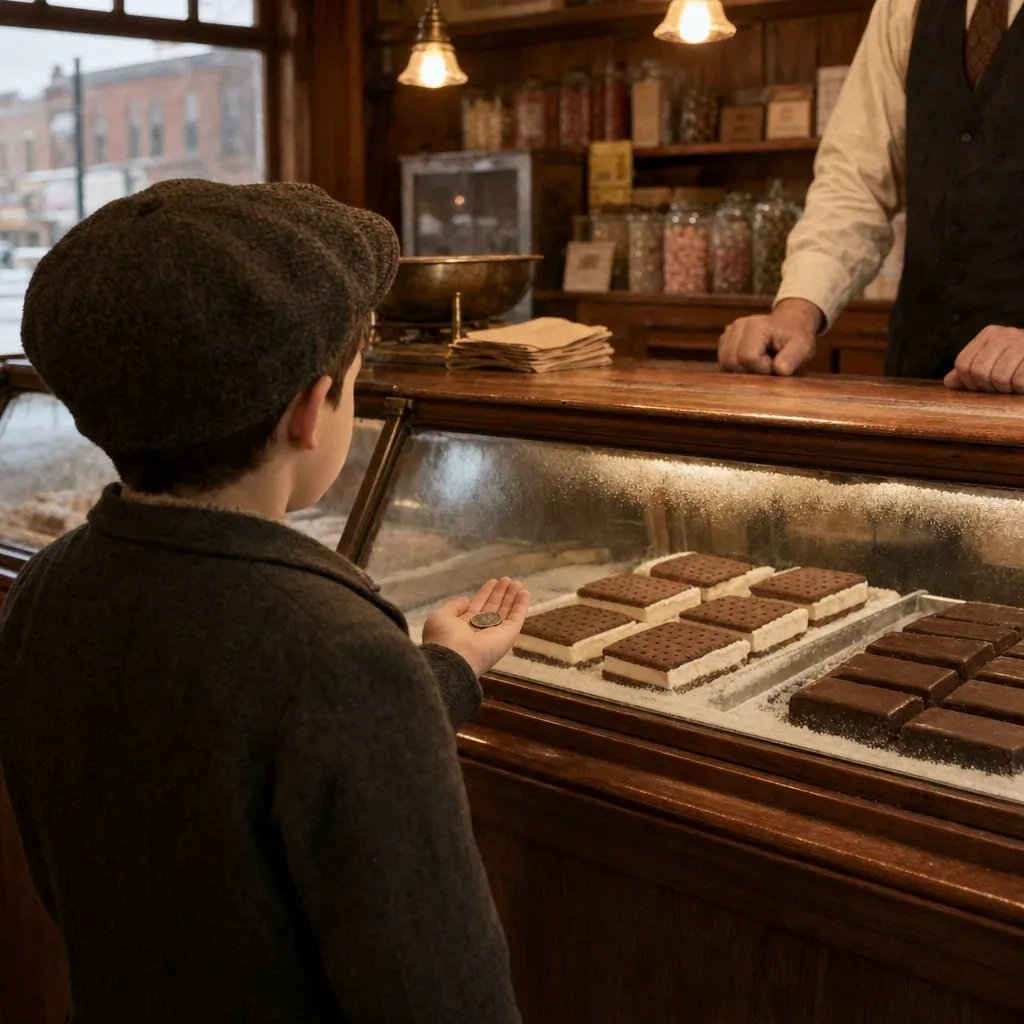
Before it became something you reached for through a foggy freezer door, the Eskimo Pie started with a nickel, a candy counter, and one very reasonable child who refused to see why life had to be so strict. Christian Kent Nelson was a Danish-born schoolteacher in Onawa, Iowa, and he also ran a confectionery in town. His days held lesson books and sweets, which is already a pretty good combination. Around 1920, a boy walked in with a nickel. Nelson later told the story himself. The child stood at the counter, caught between two excellent choices: an ice-cream sandwich and a chocolate bar. This was not a small problem, if you happened to be a child with only one coin in your hand. Asked which one he wanted, the boy gave the kind of answer that makes perfect sense at any age. He wanted both. But he had money for only one. A lesser adult might have smiled, shrugged, and said something practical about making choices. Nelson did something better. He took the dilemma seriously. A child’s tiny crisis — chocolate or ice cream? — could have disappeared in a minute, swallowed by the ordinary business of the day. Instead, it stuck with Nelson. The question wasn’t whether the boy was being silly. The question was whether there might be a way to answer him. Chocolate-covered ice cream sounds obvious now, the way many good ideas do after someone else has done all the messy work. But Nelson’s problem wasn’t dreaming it up. The hard part was making it behave. Ice cream is cold. Chocolate coating can crack. It can slide. It can refuse to cling in the neat, cheerful way a candy maker would like. A treat that falls apart before anyone gets a happy bite is less of an invention and more of a little dessert argument. So Nelson experimented. He worked with cocoa butter and coating formulas, trying to make the chocolate stay put. The result was a workable frozen bar, first called the I-Scream-Bar — a name with the energy of a child pressing both hands to the glass case. The idea had begun with a boy who couldn’t choose, but it did not stay small for long. In 1921, Nelson partnered with Russell Stover, and the treat was marketed nationally as Eskimo Pie. Early the next year, Nelson received U.S. Patent No. 1,404,539 for his frozen confection. Soon, newspapers were reporting enormous demand. What had started in a confectionery in Onawa was being made by licensed dairies across the country. That’s a long trip for a small kindness at a candy counter. The old brand name has since been retired and changed. But the turn at the heart of the story is still easy to love: a teacher-shopkeeper heard a child’s comic little dilemma and didn’t answer with a lecture about choosing. He answered with chocolate, ice cream, and the gentle possibility that maybe, sometimes, you can have both.