Secret Santa, and the Mississippi Diner Owner Who Pretended to Find $20
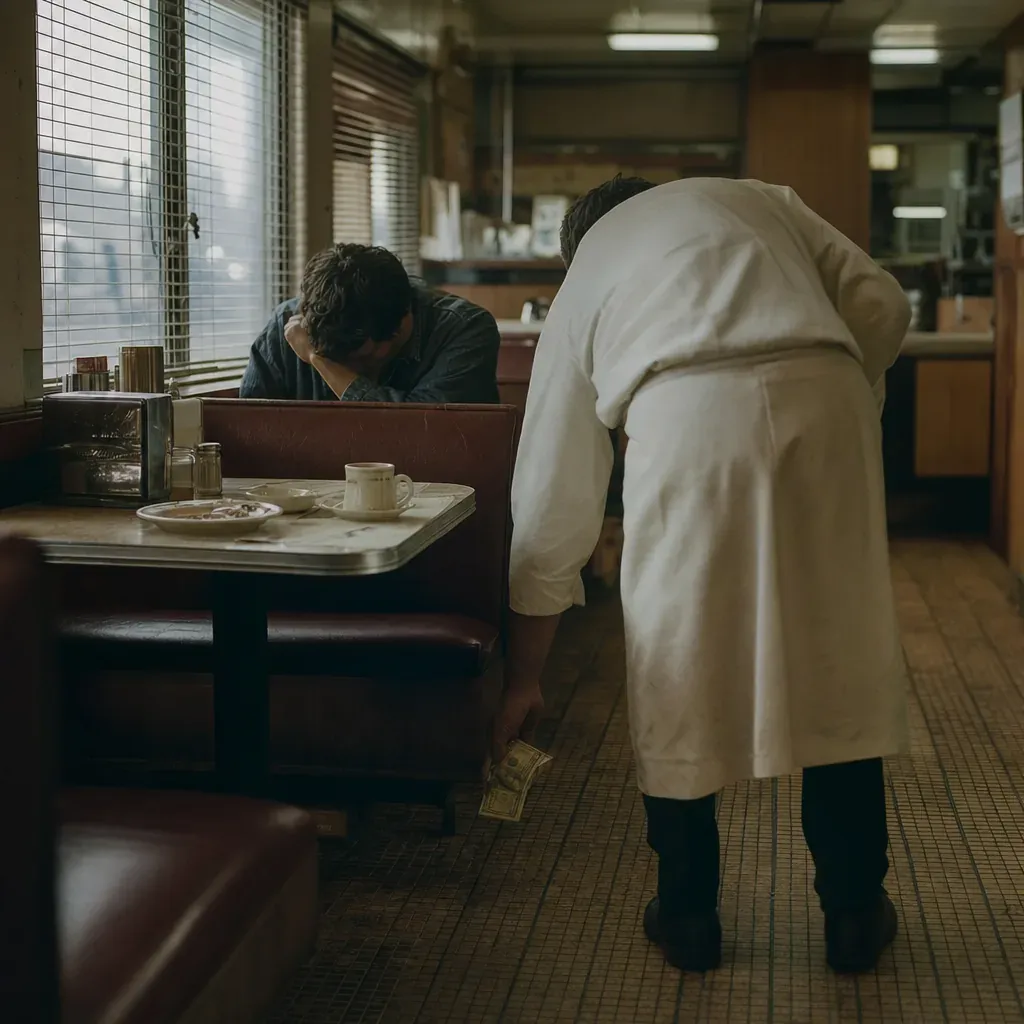
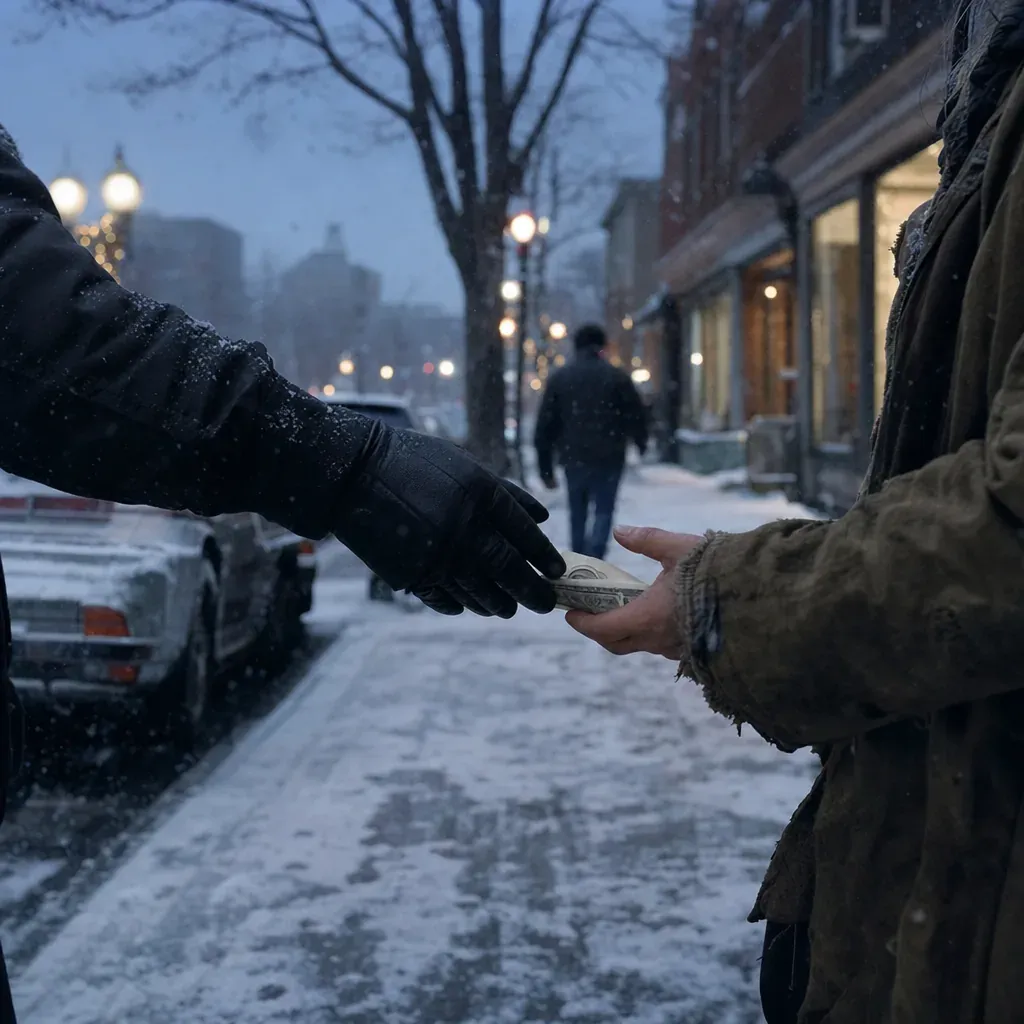
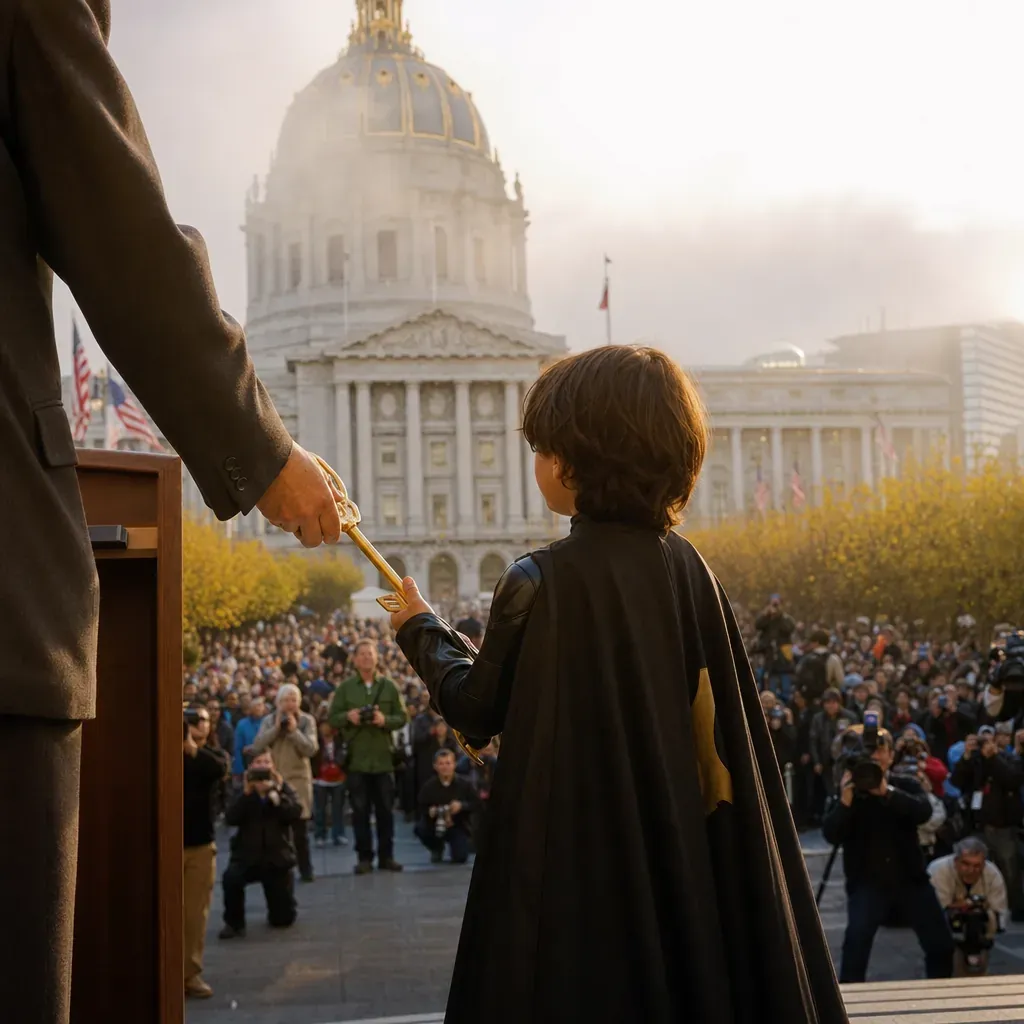
A twenty-dollar bill can feel like a stage prop when it rescues a bad meal: a bend toward the floor, a little pause, and suddenly hunger has a way out. The oddest part was that the kindness worked because everyone pretended it was ordinary. Before Larry Dean Stewart became known as Kansas City’s “Secret Santa,” he was a young man from Bruce, Mississippi, born on April Fool’s Day in 1948, a date with a built-in wink. In 1971, after losing a job, he stopped at the Dixie Diner in Houston, Mississippi, hungry and nearly out of money. He wanted something to eat, and a way through the moment without the whole room seeing his pockets were empty. Then the bill came. Anyone who has ever come up short knows the heat of it — the quiet panic, the mental counting, the wish that paper could stretch farther than it does. Stewart later told reporters about that meal, and about the man who stepped in with mercy so gentle it almost looked like a joke. The diner owner, Ted Horn, didn’t make a speech. He didn’t draw attention to Stewart. He didn’t turn the moment into a lesson or a favor that had to be worn like a heavy coat. Instead, Horn bent down as if he had spotted something on the floor. It was a small bit of theater, the kind that belongs in a diner: no curtain, no spotlight, just a man stooping beside a table while life clinked and carried on around him. When he came back up, he had a $20 bill in his hand. Horn said, in effect, that Stewart must have dropped it. Of course, that was the trick. The money mattered. Twenty dollars, at that moment, meant food, relief, and the end of an embarrassing scene before it ever really began. But the way Horn gave it mattered even more. He offered help without making Stewart smaller. He let him accept it with his chin still up. It was generosity wearing a fake mustache and trying very hard not to be noticed. There’s something funny in the seriousness of a man pretending to discover money on the floor, as if the diner tiles had suddenly decided to grow cash. But that was the beauty of it. Horn’s little fib gave Stewart a gift larger than the bill. It gave him a pattern. Stewart did not forget. Later, after he found success in business, he began to repeat that pattern in his own way. He gave away cash anonymously, often in $100 bills, to people who looked as if they could use a lift. Every December, strangers in Kansas City and beyond found themselves on the receiving end of a quiet surprise from the man who became known as “Secret Santa.” For years, the point was that they didn’t know his name. They only knew that someone had noticed them, and that the noticing came with help instead of judgment. A folded bill. A brief encounter. A little breathing room. Stewart kept giving that way until 2006, when he revealed his identity while being treated for esophageal cancer. By then, news accounts credited him with giving away about $1.3 million. That number made headlines. But the root of it was still that small scene in Mississippi: Ted Horn bending down, coming back up, and letting a hungry man believe he had simply dropped what he needed. The ripple from that diner booth traveled farther than anyone in the room could have guessed. Horn’s grace became Stewart’s habit, and Stewart’s habit became a December surprise for people who may have needed more than money — they may have needed the feeling that someone was quietly on their side. All from a bill that “turned up” on the floor.