Television Changed the World — But Utah’s Philo Farnsworth Finally Smiled at It During the Moon Landing
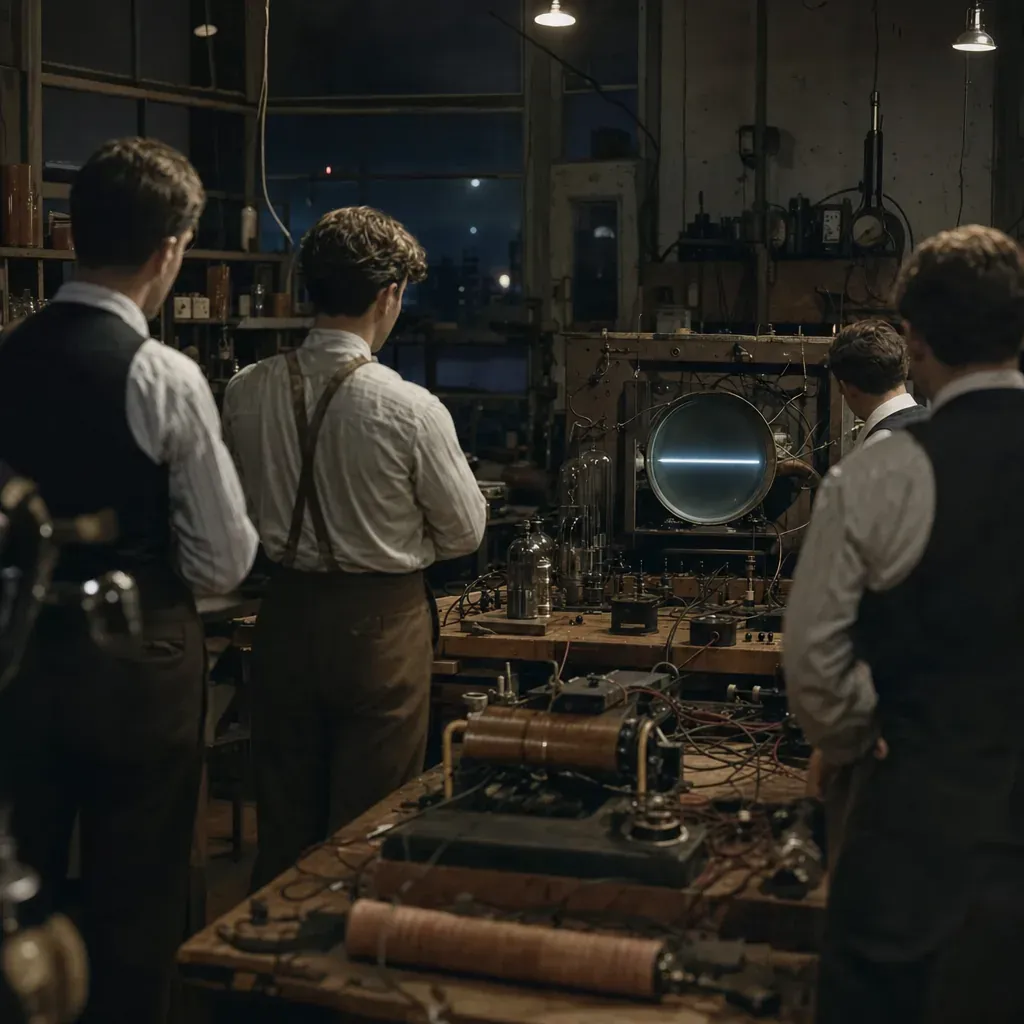
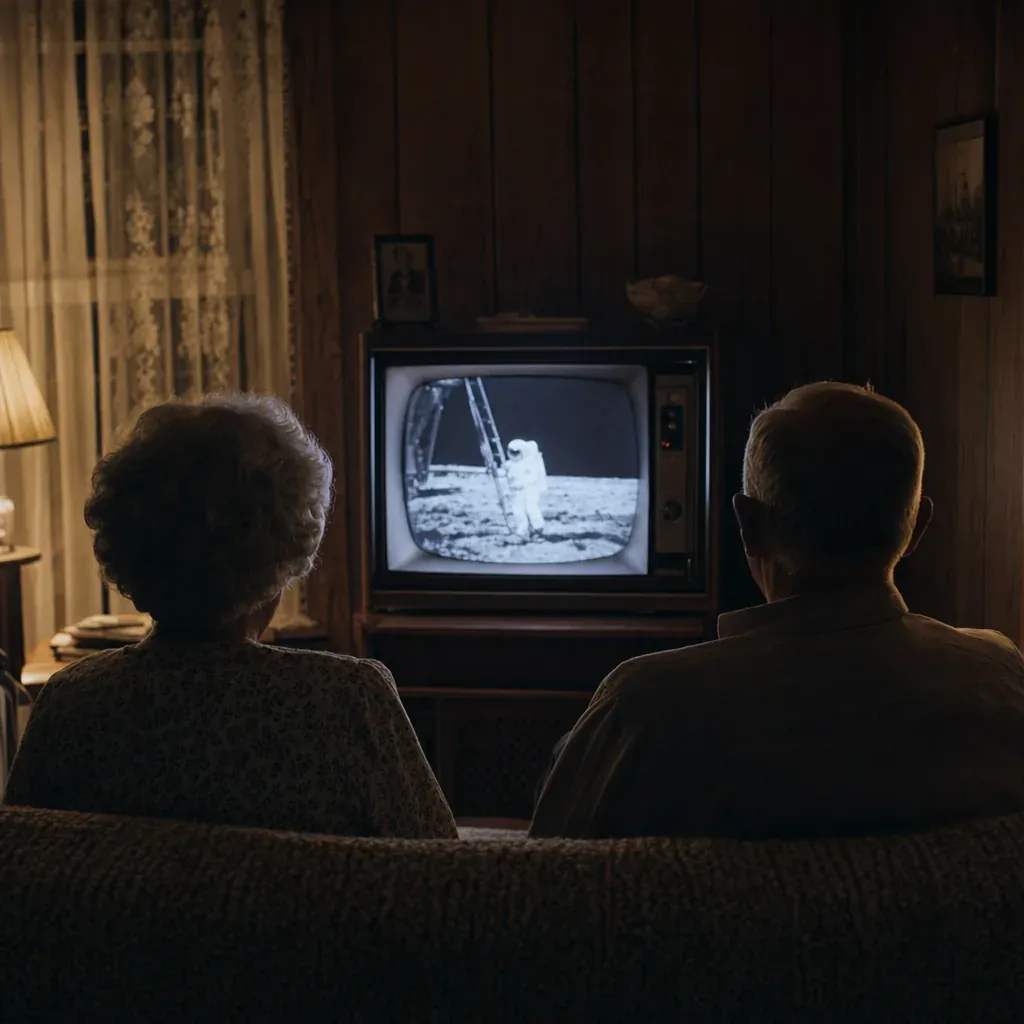
The first picture was just a line. Not a face, not a landscape, not anything you’d frame over the mantel unless you had very patient guests. Philo Taylor Farnsworth was born in Beaver, Utah, and grew up with a mind that kept reaching past what was already possible. He wanted to make pictures travel through the air. As a teenager, he imagined an image being scanned line by line, like the straight furrows of a plowed field. That sounds simple now, almost like explaining how to slice bread. But at the time, it was wild. Pictures stayed where they were. They lived in frames, newspapers, movie reels, and memory. They did not leap invisibly across distance and reappear somewhere else. Philo kept chasing the idea anyway. In a San Francisco laboratory, his team finally sent one of the first successful all-electronic television images. It was a simple straight line. No movie stars. No cheering crowd. No moon, certainly. Just a plain little mark that proved the idea worked. You can almost feel the strangeness of that moment: people gathered around equipment, waiting for a ghost of an image to appear, and then there it was. A line. The kind of thing a child could draw in a second, except this one had crossed a frontier. It must have been both thrilling and funny. After all that effort, the great breakthrough looked like someone had begun a drawing and then wandered off to make a sandwich. But it worked. Farnsworth went on to hold hundreds of patents, and the invention he helped bring into being changed daily life in ways almost too large to measure. Families gathered around television sets. News arrived in living rooms. Sports, speeches, disasters, comedies, concerts, and first steps of all kinds flickered across screens. For Philo himself, the road was not simple or shiny. Television brought him years of legal fights and financial strain. It gave plenty of public glory to others while he received far less than people might expect for someone who had helped make the whole thing possible. There’s a quiet ache in that. Imagine spending your life helping open a door, then watching the crowd rush through while someone else gets thanked for the key. Still, he had done the work. The line had appeared. The pictures had started flying. Then came the kind of moment no patent office could hand out. Philo and his wife, Elma “Pem” Farnsworth, were together in their living room watching live television as Neil Armstrong stepped onto the moon. The picture had traveled from space into an ordinary home. Not from a studio across town. Not from a laboratory. From the surface of the moon. For a man who had spent so many years wrestling with the idea of sending images across distance, it must have felt almost impossible and yet deeply familiar. The screen was doing what he had once imagined it could do. The furrows had become signals. The straight line had become a human being in a spacesuit, carefully placing a boot on another world. Family accounts say Philo turned to Pem and said, “This has made it all worthwhile.” That sentence is small enough to fit in a living room, which is part of what makes it so lovely. No parade. No courtroom victory. No grand public speech. Just a husband beside his wife, watching a picture from the moon arrive in their home and feeling, at last, that the trouble had meant something. The Utah boy who dreamed of making pictures fly through the air got to see one fly back from space. And for a moment, the whole moon fit inside the room.
Listen to this story, narrated.