Gerber Baby Food Began When a Fremont Mother Got Tired of the Sieve
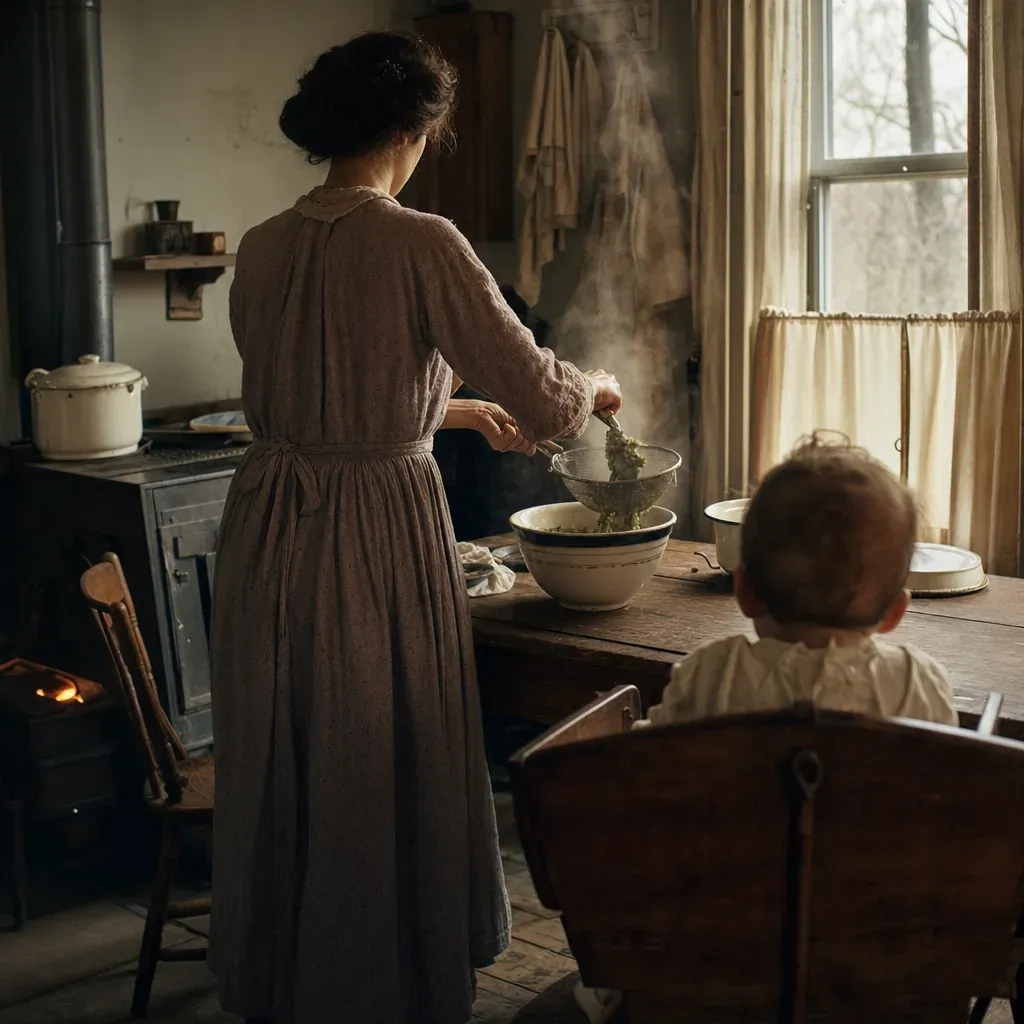
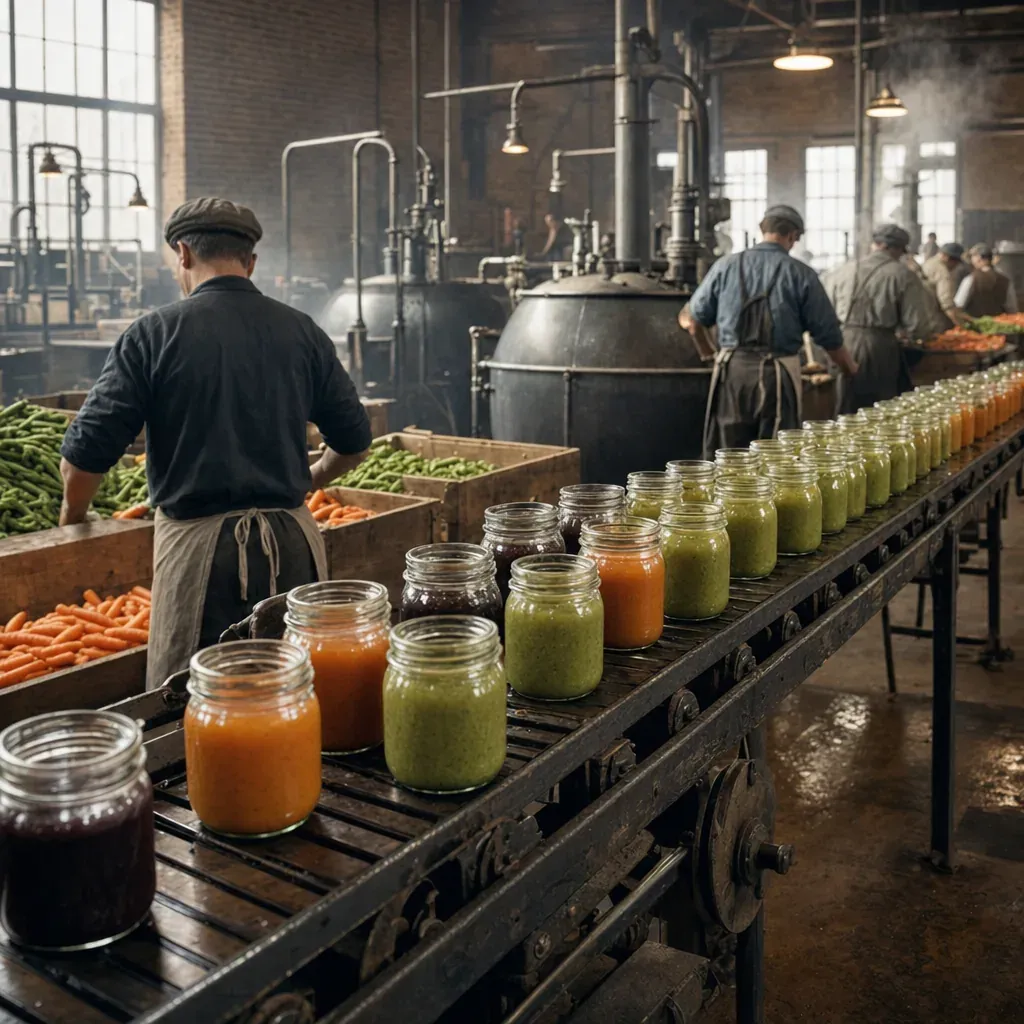
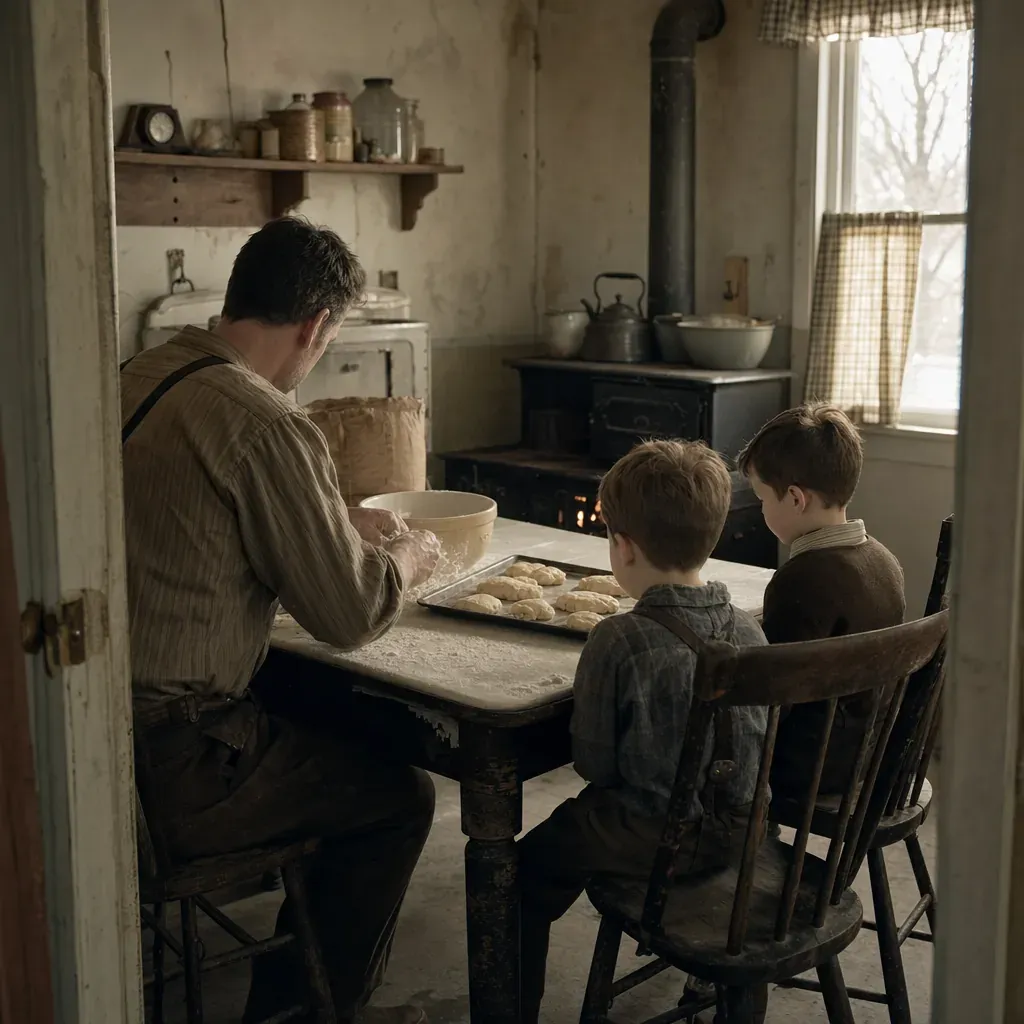
Some big ideas arrive with trumpets. This one arrived soft, green, and stubborn, pressed through a kitchen sieve in Fremont, Michigan, while a baby waited for dinner. Before there was a Gerber baby smiling from grocery shelves, there was Sally Gerber, a real infant with a real appetite and a pediatrician who had recommended strained vegetables. Her mother, Dorothy Gerber, wanted to feed her what the doctor advised. The problem was that “strained vegetables” sounded simple until you were the one cooking them, mashing them, and pushing them through a sieve by hand. Picture the kitchen warm from cooking, the sieve balanced and waiting, Dorothy working vegetables through little by little while supper became a small test of patience. Baby food was not yet something most parents casually picked up at the store. It was made at home, with time, effort, and probably a few green smudges where green smudges did not belong. Dorothy’s husband, Daniel Frank Gerber, worked at the family’s Fremont Canning Company. The cannery already knew how to handle fruits and vegetables in a way no tired parent at a kitchen counter could. It could puree. It could process. It could make smooth tomato products for adults on a large scale. Dorothy saw the obvious thing hiding in plain sight. If the company could make smooth food for grown-ups, why couldn’t it make smooth food for babies? It was wonderfully practical, the kind of thought that comes from standing over a task and realizing there has to be a kinder way to do it. Parents did not need another chore at the end of the day. They needed help. They needed something reliable. They needed, quite possibly, fewer battles with spinach. That household question made its way from the Gerber kitchen to the family business. The next year, the company introduced its first baby foods: strained peas, prunes, carrots, spinach, and beef vegetable soup. Not glamorous. Not fancy. Just soft food in a form babies could eat and parents could serve without turning the kitchen into a tiny vegetable workshop. A jar on a shelf can seem ordinary once it has been there for generations. But for a parent trying to follow a doctor’s advice, feed a baby well, and still get through the evening, that little jar must have felt like someone had quietly taken one chore off the table. There is one charming twist in the story, and it has confused plenty of people over the years: Sally Gerber was not the famous baby on the label. That face came from a separate contest in 1928. Artist Dorothy Hope Smith submitted a sketch of Ann Turner Cook, and the image was later trademarked in 1931. So the baby whose dinner helped start the idea and the baby whose face came to represent it were two different children. Sally’s part was smaller, and somehow sweeter for it. She did not need to become a symbol. She simply needed her vegetables. Her mother noticed how much work that took, looked toward the cannery her family knew so well, and saw a practical answer waiting there. Afterward, countless parents had one small mercy at suppertime. The peas were still peas, the spinach was still spinach, and babies were still babies, but the nightly wrestling match got a little easier. And it all began with a mother, a sieve, and a very determined bowl of vegetables.