‘Somewhere Over the Rainbow’ and the 3 a.m. Honolulu chair that helped it happen
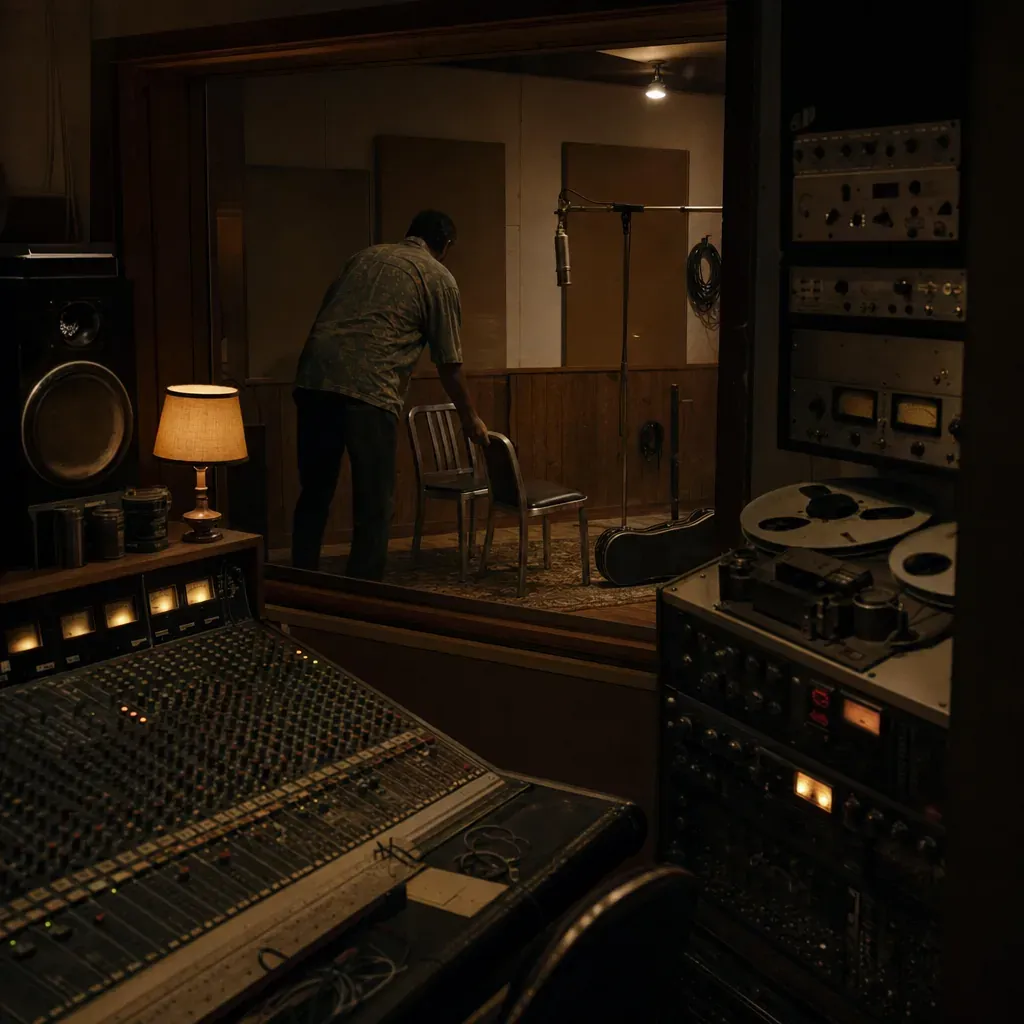
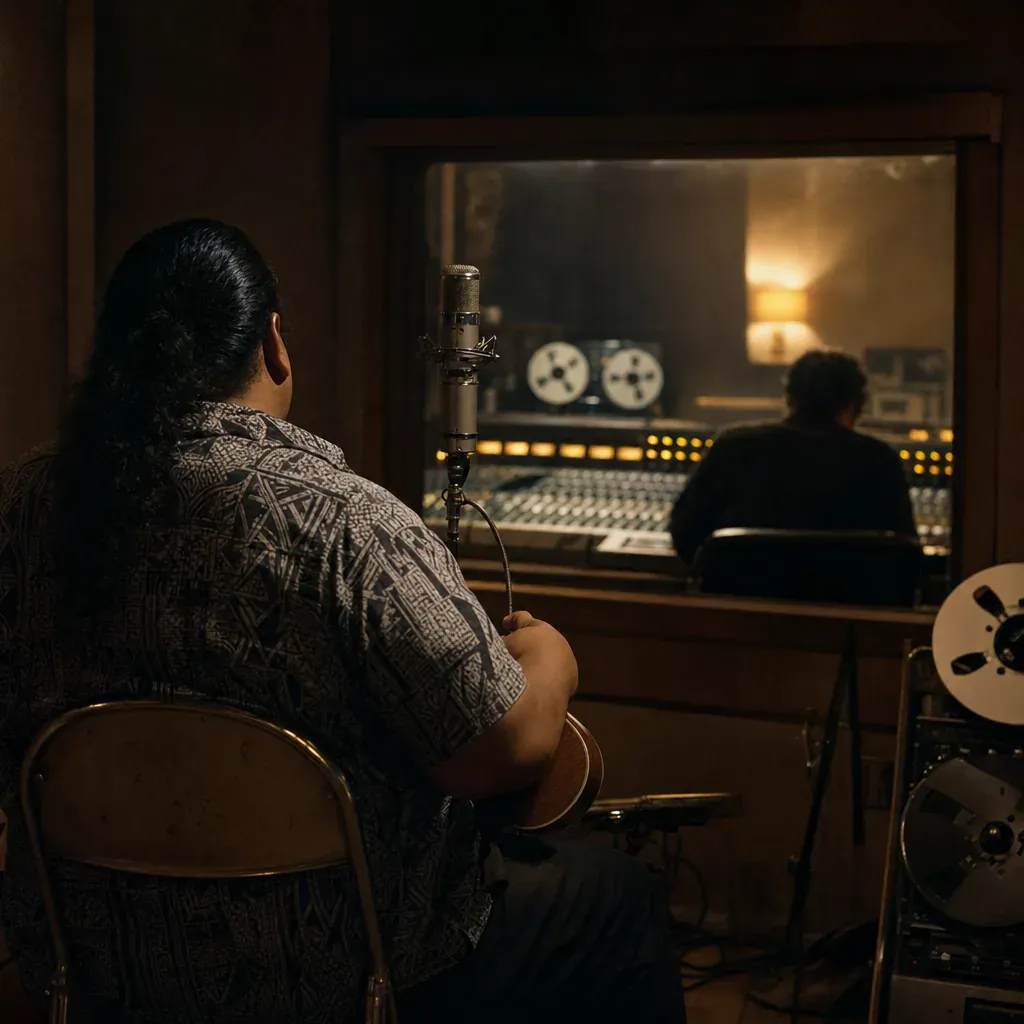
The song feels like it arrived on a breeze: a soft ʻukulele, a voice as warm as morning light, and that dreamy glide from “Over the Rainbow” into “What a Wonderful World.” But before any of that could happen, someone in a Honolulu studio had to solve a practical problem: find Israel Kamakawiwoʻole a chair that would hold him. Milan Bertosa was working late at Audio Resource Honolulu. It was around 3 a.m., the hour when even the walls of a recording studio seem ready to go home. Bertosa wanted to wrap up, but then the phone rang: Could a singer come in to record one song? He was tired. The night had already gone long. Still, he said yes, with one condition: the singer had to get there quickly. The singer was Israel Kamakawiwoʻole, already loved in Hawaii for his work with the Makaha Sons of Niʻihau and for a voice nobody mistook for anyone else’s. He arrived with his ʻukulele, ready to record. Suddenly Bertosa’s job was not about microphones or tape or levels. It was about furniture. IZ was a very large man, and Bertosa later remembered needing to find a sturdy steel chair for him. It’s such a human detail, almost funny in its plainness. Before the song that would someday drift through weddings, memorials, movies, television shows, and quiet living rooms, there was a sleepy engineer looking around a studio and thinking: first things first. Once the chair was settled, Bertosa set up the microphones. No orchestra waited behind glass. No grand production rolled in. There was no sign that the room was about to catch something that would travel far beyond Honolulu. Just IZ. His ʻukulele. The tape. He began with “Over the Rainbow,” the Harold Arlen and E.Y. Harburg song made famous by Judy Garland in “The Wizard of Oz.” In his hands, it didn’t sound like someone trying to impress anyone. It felt intimate, almost like he was singing from the corner of a family gathering after everyone had eaten too much and somebody finally said, “Play one.” Then, gently, the song flowed into “What a Wonderful World,” the tune forever linked with Louis Armstrong. IZ’s voice lifted the words without pushing them. The ʻukulele kept things simple and bright, a tiny boat under a big sky. Bertosa rolled tape, and the medley was done in one take. That was it. One late-night recording. One take. One act of staying open a little longer. The track didn’t immediately become the version so many people now know by heart. It sat for years before producer Jon de Mello released it on IZ’s album “Facing Future” on the Mountain Apple Company label. When it finally went out, it kept going. People heard it in films and on television. They chose it for weddings. They played it at memorials. They let it fill their homes when they needed something gentle, something hopeful, something that seemed to breathe. Tucked inside all that beauty is the little hinge of the story: Milan Bertosa didn’t make a speech or plan a historic session. He answered a late phone call, stayed a bit longer, set up the microphones, and made sure a singer had a good chair. Sometimes the door opens because someone is kind enough not to close it.