Wall Drug's Famous Free Ice Water Began with Dorothy Hustead Listening to Cars Go By
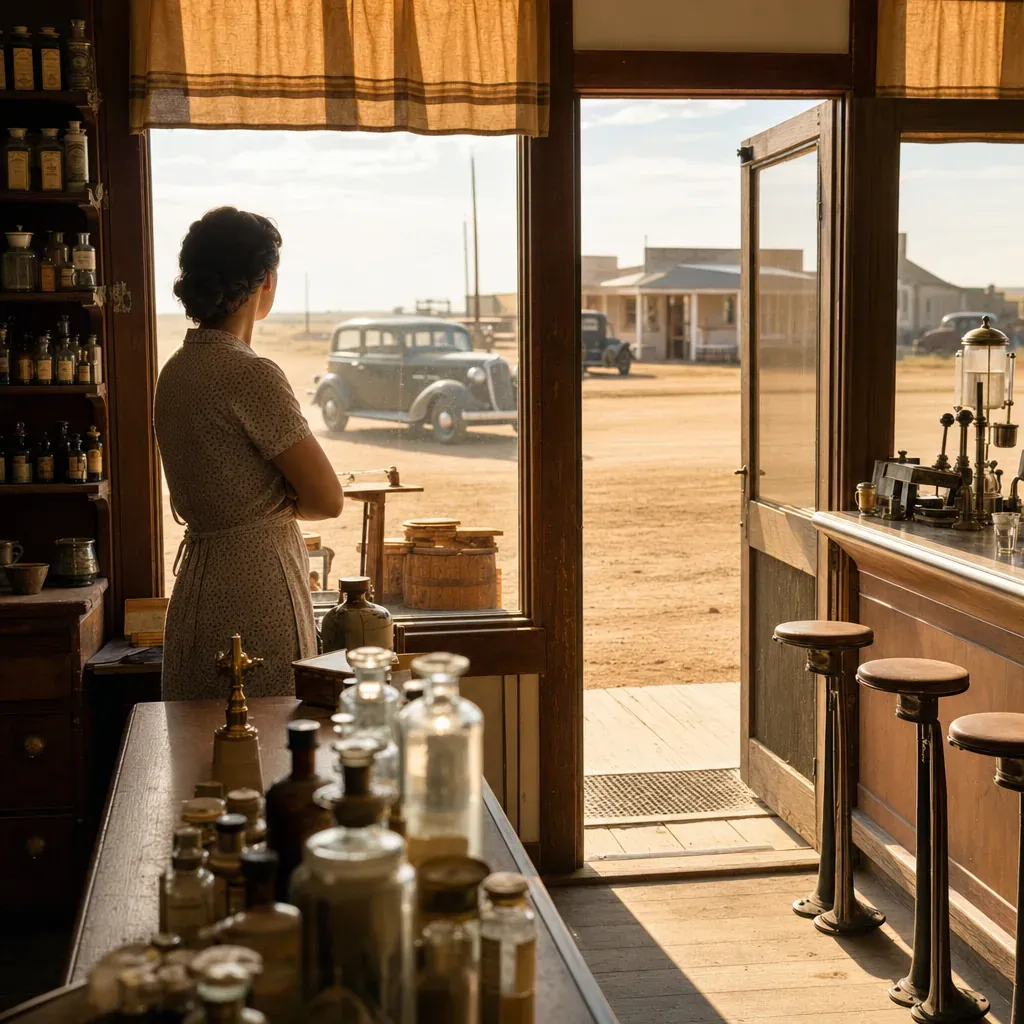
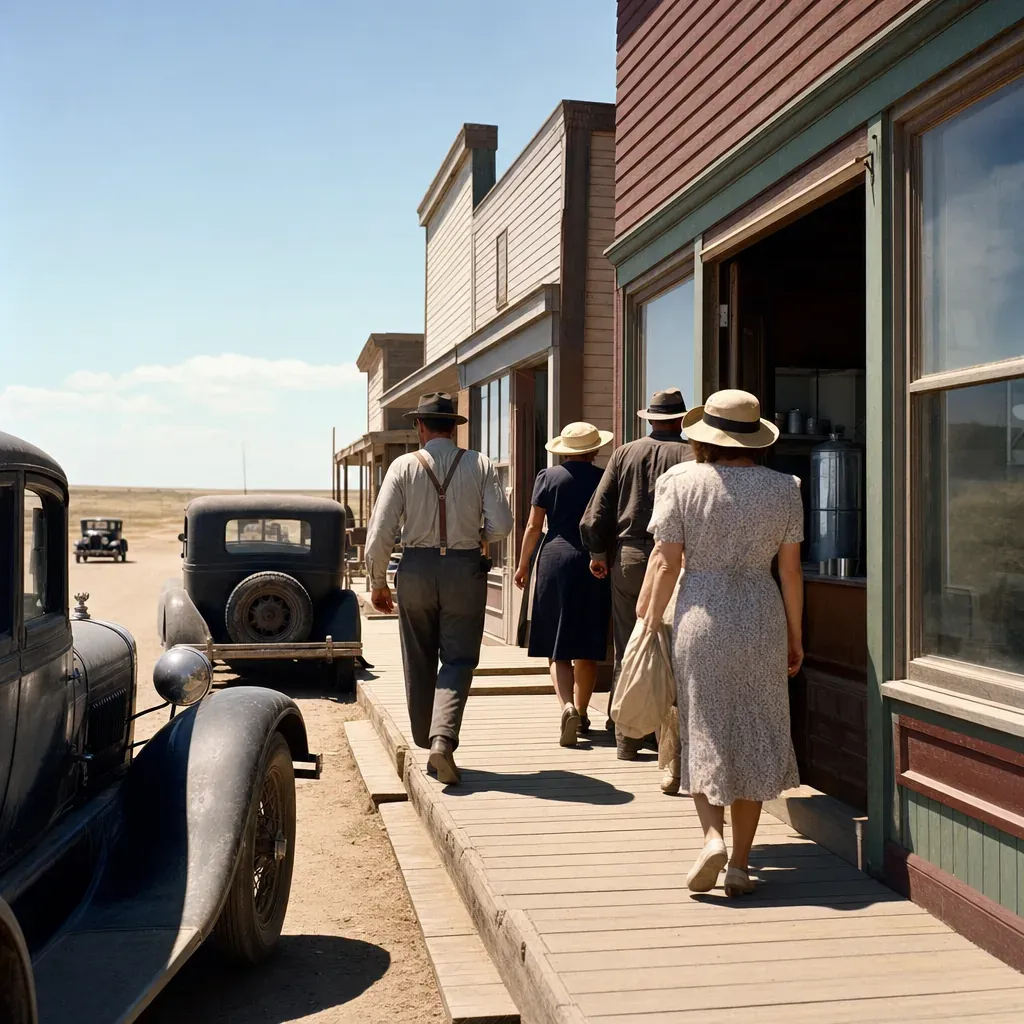
The sound came first: cars humming past a little South Dakota town, tires whispering over hot highway, everyone headed somewhere else. Inside Wall Drug, Dorothy Hustead heard traffic and, somehow, heard thirst. Dorothy was in Wall with her husband, Ted Hustead. Ted, a pharmacist, had bought the small pharmacy in December 1931. The couple had made a practical agreement: they would give the business five years. If it still couldn’t make a go of it, they would have to think again. By the summer of 1936, that deadline was getting close. Wall Drug was not yet the famous South Dakota stop with signs that seemed to pop up everywhere, promising relief, coffee, souvenirs, and the kind of roadside curiosity that makes a family say, “Well, now we have to stop.” It was just a struggling little pharmacy in a town of a few hundred people. Outside, cars kept passing through. Travelers were headed to the Black Hills and Mount Rushmore, and Wall was more blur than destination. Ted and Dorothy had the store. They had shelves. They had hope. What they did not have, at least not enough of, was customers. Then Dorothy noticed something so ordinary it might have slipped past someone else. It was hot. The cars were still coming. And the people inside them must have been thirsty. According to Wall Drug’s own history, Dorothy said as much to Ted. They had plenty of ice and water in the store. Why not tell travelers they could stop in for free ice water? It was not a grand marketing plan. It did not require a consultant, a committee, or anyone wearing a serious hat and tapping a pencil on a clipboard. It was closer to hospitality than advertising: people are hot; we have cold water; let’s put up a sign. So Ted and a helper made roadside signs along the highway. You can almost picture the idea finding its legs: plain signs, a hot road, a small store waiting in town, and the promise of something simple and wonderfully specific. Free ice water. Not almost free. Not with purchase. Just free. And then came the turn. Travelers began pulling in. They came for the cold drink, but once inside, they found other things a dusty family might need. Some bought ice cream. Some picked up postcards. Some needed aspirin. Some probably just wanted a few minutes out of the heat, which is its own kind of medicine. The little pharmacy had finally given people a reason to stop. That was the brilliance of Dorothy’s idea. It didn’t ask travelers to change their plans very much. It simply met them where they were: hot, tired, moving across South Dakota, and grateful for a cold cup of water. The gentle joke is that one of America’s loudest roadside legends began with a quiet observation from a woman listening to traffic. Before the famous billboards and the crowds, there was Dorothy noticing the obvious thing everyone else had missed. Wall Drug grew from that simple welcome. The free ice water became part of its identity, along with its famous 5-cent coffee. Dorothy Hustead didn’t set out to create a tourist institution. She just thought hot strangers could use a cold drink.