To Kill a Mockingbird and the Christmas Note That Bought Harper Lee a Year
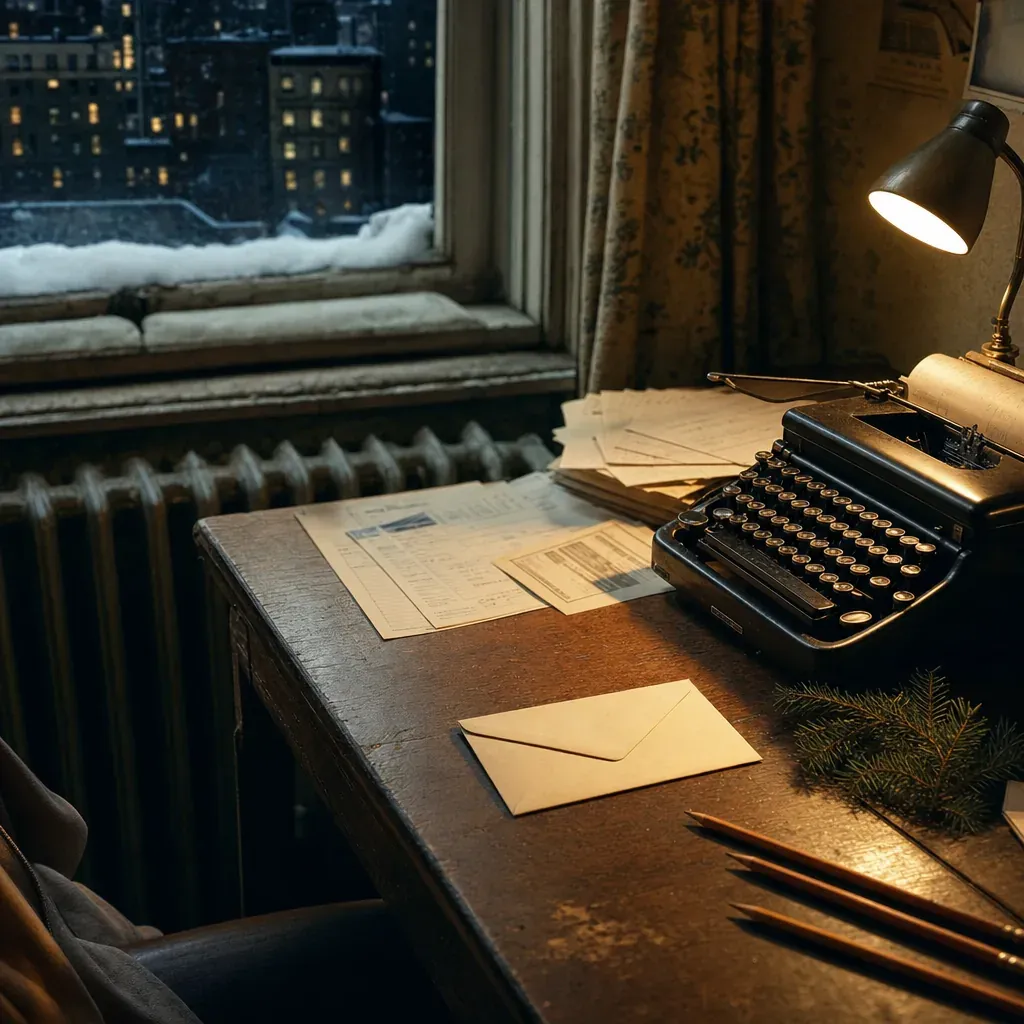
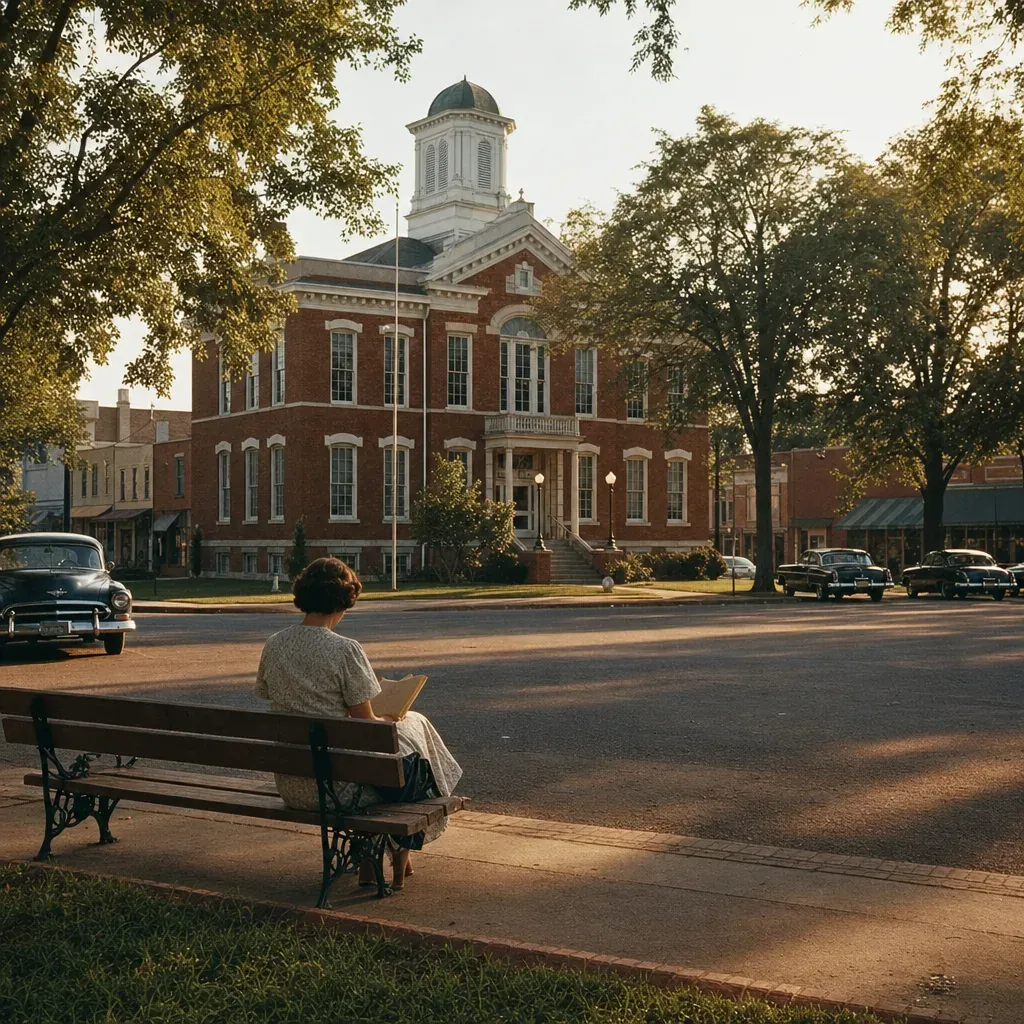
At Christmas, the gift that helped change American literature wasn’t wrapped like treasure. It was an envelope, small enough to hold in one hand, and large enough to give a tired writer back her days. Before readers knew her as Harper Lee, the famously private author of *To Kill a Mockingbird*, she was Nelle Harper Lee from Monroeville, Alabama. She grew up around the old Monroe County Courthouse, the square, high-windowed building that would later help millions of readers imagine Maycomb. But in New York City in the mid-1950s, what she wanted was simple and enormous: time to write. Her days didn’t look much like the beginning of a classic novel. Lee worked as an airline reservations clerk, including for Eastern Air Lines and BOAC, helping other people get where they were going. Then, after work, she wrote. All day: seats, schedules, names, destinations. At night: sentences. While passengers planned flights across oceans or home for the holidays, Lee was trying to make room for a story that had no guarantee of taking off at all. Then came Christmas in 1956. Her friends Michael Martin Brown, a composer and lyricist, and his wife, Joy Williams Brown, gave her an envelope. Inside was not a fancy pen. Not a new typewriter with a bright ribbon and a heroic future. It was a note with a gift so practical it could knock the breath out of a person. The wording has been widely quoted: “You have one year off from your job to write whatever you please. Merry Christmas.” That was it. No ceremony. No speech. Just friends who looked at Nelle Harper Lee and saw not only the woman doing the responsible thing, earning her paycheck and writing when she could, but also the writer who might need a clear stretch of road. They had given her enough money to quit work for a year. The Browns couldn’t promise that a publisher would say yes. They couldn’t promise a Pulitzer Prize, classroom shelves, movie lights, or strangers years later feeling they knew a little courthouse town in Alabama. They couldn’t even promise that the year would produce the book Lee hoped it would. What they could do was buy her something few working writers have in abundance: uninterrupted time. So Lee took the gift seriously. She left her job and devoted herself to the manuscript that became *Go Set a Watchman*. From there, through the patient work of editor Tay Hohoff at J. B. Lippincott, the manuscript was reshaped into *To Kill a Mockingbird*. The process was not a magic wand. It was work, revision, guidance, and trust — the quieter tools that don’t sparkle much but can build something sturdy. When *To Kill a Mockingbird* was published on July 11, 1960, it traveled farther than any airline reservation Lee had ever booked. The novel won the 1961 Pulitzer Prize for Fiction and went on to sell tens of millions of copies. A story rooted in the feeling of an Alabama courthouse square found its way into homes, schools, libraries, and conversations across the country. And still, the hinge of the whole thing looks wonderfully small. An envelope. A Christmas note. Two friends who couldn’t read the future but could recognize a person who needed space to meet it. They didn’t hand Nelle Harper Lee success. They handed her a year and said, in the most useful way, go write. That was more than enough.
Listen to this story, narrated.