Stonehenge and the Virginia April Fools’ Joke That Refused to Disappear
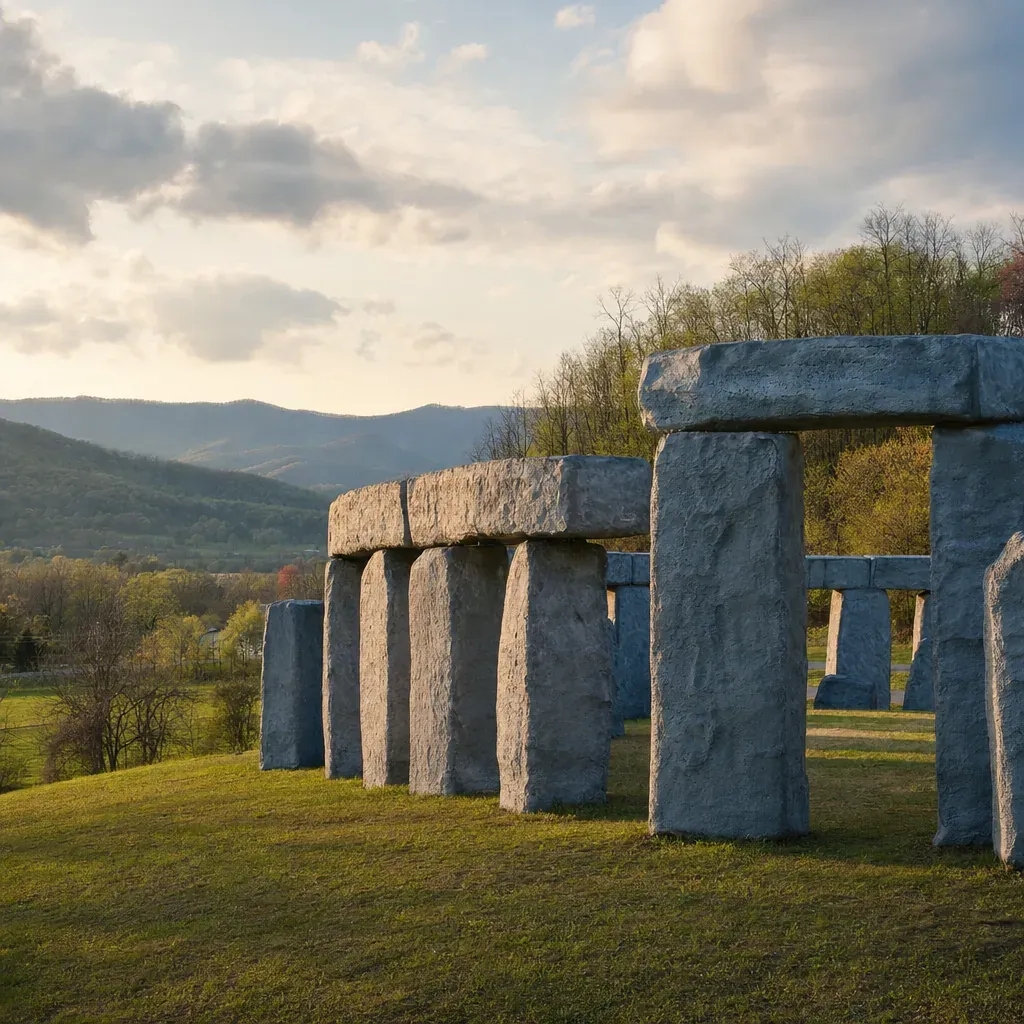
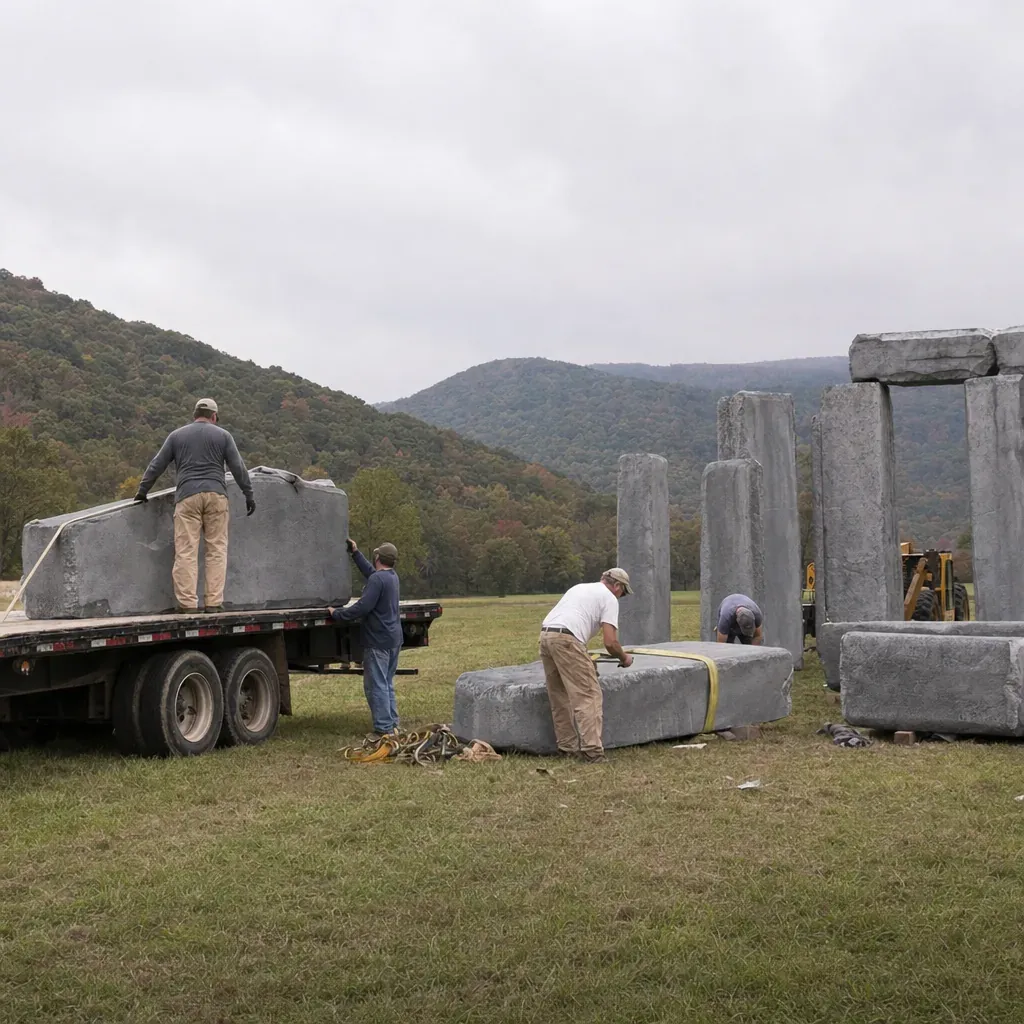
On a hillside near Natural Bridge, Virginia, Stonehenge appeared with a wink: huge gray “stones” that looked ancient from the road, but were actually carved from Styrofoam. The whole thing arrived on April Fools’ Day, which felt less like a date and more like the punch line. The person behind it was Mark Cline, a Rockbridge County artist with a gift for making travelers smile before they’d even unbuckled their seat belts. He was already known for roadside dinosaurs, monsters, and other fiberglass creatures that seemed to say, “Go ahead, pull over, you know you want to.” This time, he aimed bigger: a full-size replica of Stonehenge, set not on Salisbury Plain, but in the Shenandoah Valley. Cline called it Foamhenge. Unveiled near Natural Bridge in 2004, it had instant charm. There was the grand shape everyone recognized — upright stones, lintels across the top, that solemn ancient-circle silhouette — but also the ridiculous pleasure of knowing it was foam. Painted to look like weathered rock, it managed to be both convincing and completely absurd, a tricky balance and, in roadside attraction terms, basically a superpower. You can imagine the double takes. A driver comes around the bend expecting trees, hills, maybe a sign for gas or fudge, and suddenly there it is: Stonehenge, but somehow in Virginia, and possibly lighter than a sofa. The proper response was not to keep driving. People pulled over. They took pictures. They walked around it with the affectionate seriousness Americans bring to the best oddball landmarks, the kind of places where everyone starts off laughing and then, five minutes later, is carefully framing a photo like they’ve discovered an archaeological treasure. Foamhenge began as a joke, and not a hidden one. The April Fools’ Day unveiling practically wore a party hat. If anyone thought a foam monument in the Virginia countryside sounded silly, Cline had already beaten them to the grin. But the joke had legs. Travelers remembered it. Families made stops. Pictures traveled farther than the foam stones themselves. Foamhenge became one of those places people talked about with a little sparkle in their voice, the way they describe a giant ball of twine or a dinosaur by the highway. It didn’t need to be ancient. It just needed to be itself. Then came the problem. When Natural Bridge became a Virginia state park in 2016, Foamhenge had to leave its hillside. For a lesser gag, that might have been the end. Foam, after all, does not sound like the sort of material that survives a dramatic second act. Real Stonehenge had endured centuries; Foamhenge now had to survive being taken apart. So the stones came down. Piece by piece, the pretend megaliths were dismantled and moved north to Cox Farms in Centreville. It’s hard not to smile at the image: a full-size Stonehenge replica, not excavated by archaeologists, but relocated because enough people cared about a big, cheerful, foam oddity to give it another home. In 2017, Foamhenge reopened to visitors. That was the sweet turn. It survived not because it was grand, but because people had grown fond of it. Cline’s creation had crossed the strange little bridge from prank to landmark, from “Can you believe this exists?” to “We have to keep this.” The stones may be fake, but the affection around them is real. Some monuments ask you to whisper; Foamhenge lets you laugh.
Listen to this story, narrated.