Bojangles Bought the Corner a Stoplight
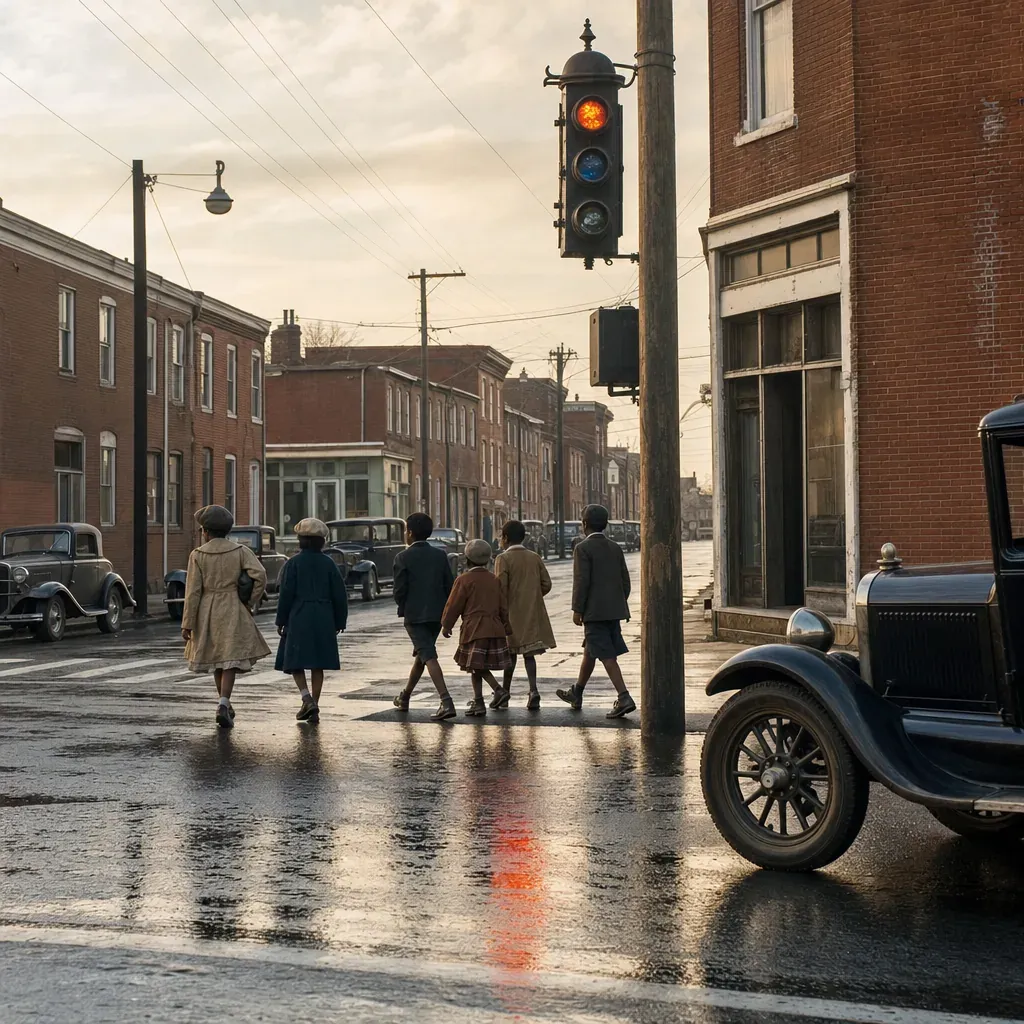
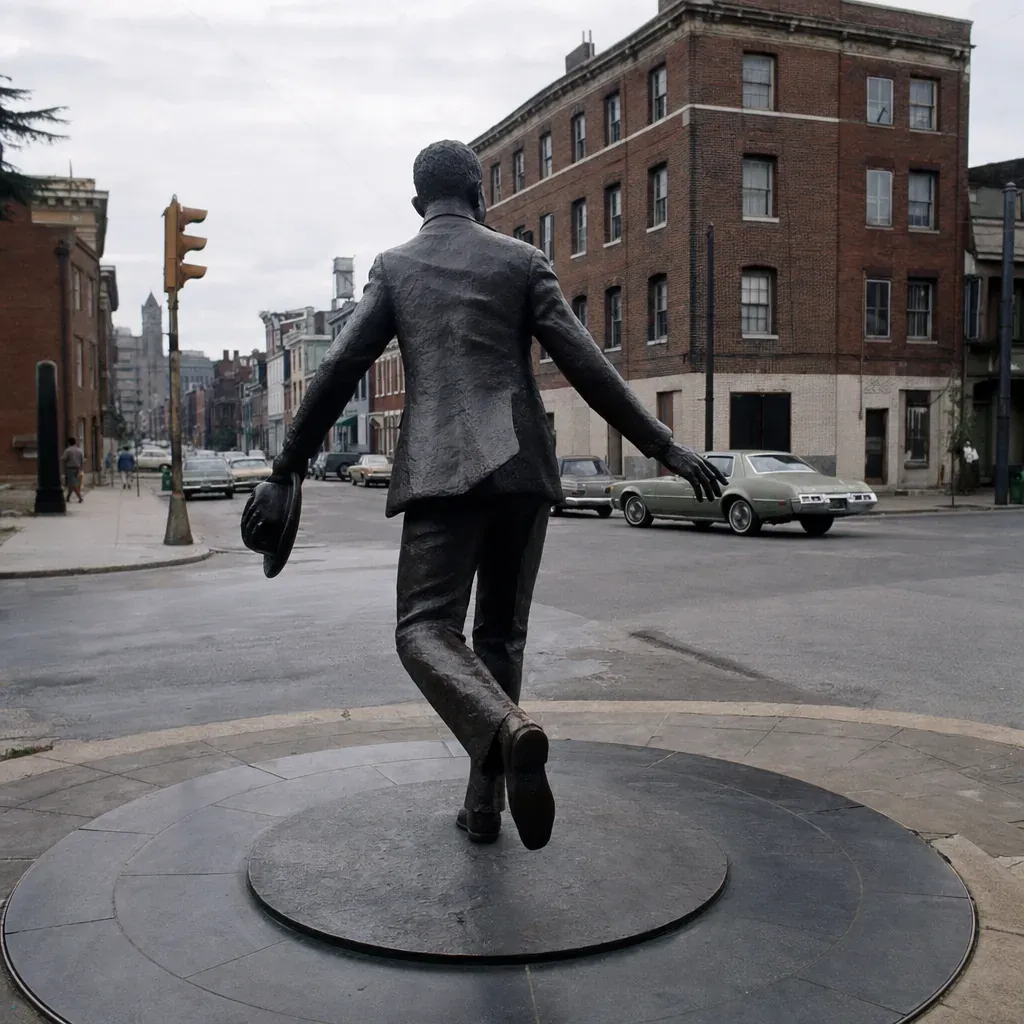
A tap dancer’s feet can sound like rain on a roof, but Bill “Bojangles” Robinson’s sweetest rhythm in Richmond may have been the click of a traffic signal changing at a street corner. Bill Robinson was born in Richmond in 1878, and the city never quite stopped being part of his story. He became one of America’s best-known tap dancers, a vaudeville headliner, and a movie performer known for his stair dance and his films with Shirley Temple. But back in his old Jackson Ward neighborhood, what he wanted was simpler than applause: he wanted children to get across the street safely. The corner was North Adams and West Leigh streets. Not a stage. Not a theater. Just pavement, noise, and a busy intersection where small feet had to make a careful dash from one side to the other. Robinson had spent his life making hard things look easy. Stairs, for most people, are something to climb. For Bojangles, they became a dance partner. He could turn a step into a wink, a shuffle into a sentence, a staircase into something that seemed to grin right along with him. But watching children try to cross that Richmond intersection was different. There was no orchestra to cue. No spotlight to soften the edges. No clever bit of footwork that could make a dangerous corner harmless. So in 1933, Robinson did something practical. He paid for a traffic signal at North Adams and West Leigh. It wasn’t a grand speech. It wasn’t a show-business flourish. There was no need for one. The gesture had the plain beauty of someone noticing a problem close to the ground and deciding it was worth fixing. Children needed to cross. Cars needed to stop. A famous dancer reached into his own pocket and helped make that happen. There is a gentle little joke built into the story: the man famous for stopping the show helped stop traffic. Bill “Bojangles” Robinson, celebrated for fancy footwork, left one of his kindest marks by helping children use the crosswalk. It’s the sort of detail that makes history feel less like a framed portrait and more like a neighbor leaning out the door, saying, “Hold on, let’s make this safer.” Richmond later gave that kindness a place people could see. In 1973, a bronze statue of Robinson by sculptor Jack Witt was installed at Adams and Leigh, in the neighborhood that remembered him. The statue shows him mid-step, hat in hand, as if he has only paused for a beat and might start tapping again if the light turns green. That corner became more than an intersection. It became a small marker of attention, the kind that says a person can be famous everywhere and still care about one block, one crossing, one group of children trying to get home. And somewhere in that, you can almost hear the rhythm.