Pixar’s Cars Has a Fictional Town; Its Arizona Heart Began in Angel Delgadillo’s Barber Shop
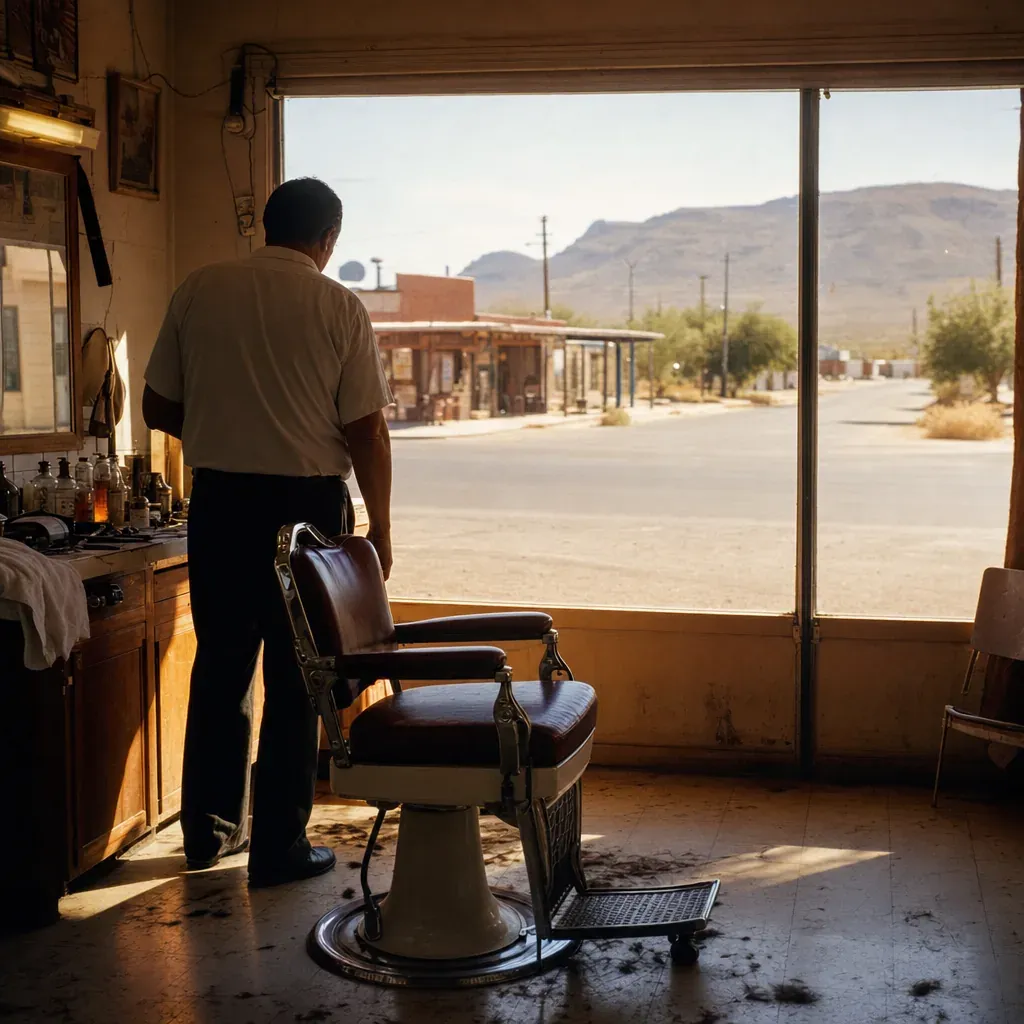
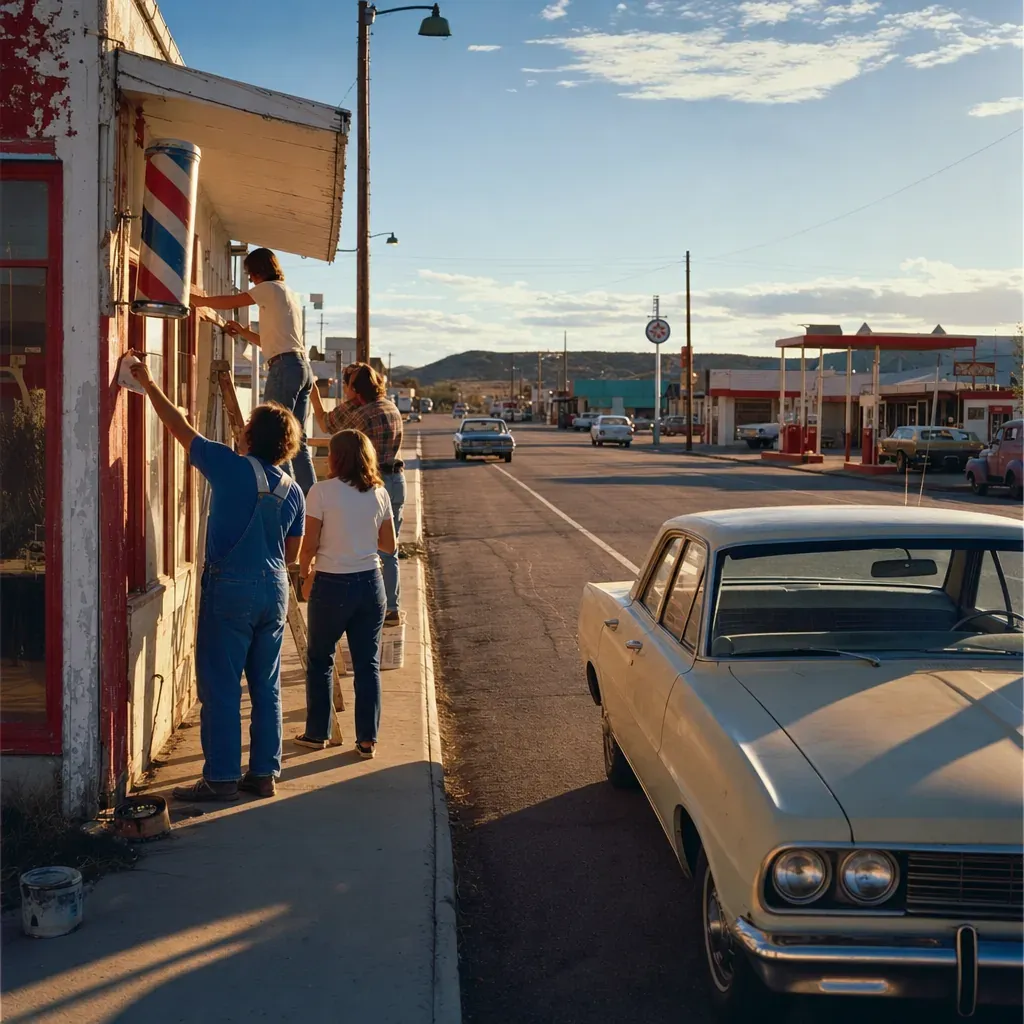
Before children knew Radiator Springs, there was the smell of aftershave in Seligman, Arizona, and the soft snip-snip of scissors near a highway that never seemed to stop moving. Angel Delgadillo was born in Seligman in 1927, when the town kept time by Route 66. He opened his barber shop right there on the road, close enough to watch travelers roll past his window for decades. Cars, families, truckers, vacationers — the old highway brought them all to his door. Then the traffic vanished. On September 22, 1978, Interstate 40 bypassed Seligman. For a town built on people passing through, it was as if someone had turned down the volume. Angel later described it in the blunt, almost funny way small-town people sometimes use when the truth is too big for fancy words: one hour the cars were there, and then they simply were not. You can picture him in the barber shop, clippers in hand, glancing toward the road out of habit. The chair still turned. Hair still fell to the floor. The desert light still came in through the window. But outside, where there had been movement and noise and the little parade of strangers that kept a roadside town alive, there was suddenly space. Too much space. For some towns, that might have been the ending. The old road could have become the kind of memory people bring up over coffee, the kind that starts with, “Remember when…” and ends with a sigh. Angel didn’t leave it there. He and other local supporters began pushing for the road to be noticed again — not as the fastest way to get somewhere, but as a place worth visiting on purpose. On February 18, 1987, they formed the Historic Route 66 Association of Arizona. That same year, Arizona designated the Seligman-to-Kingman stretch as Historic Route 66. On paper, that sounds tidy and official. In real life, it meant people in a small town refusing to let a beloved road disappear under dust and silence. It meant pointing back to the diners, signs, motels, gas stations, barber shops, and stories that still had life in them. It meant telling travelers, in one way or another, “The old road’s still here. Come see.” And they did. The revival that began in Arizona helped other states look again at their own pieces of Route 66. The road that had been bypassed began to pull people back, not because it was quicker, but because it was slower. Friendlier. Stranger in the best way. A place where you might stop for gas and end up talking for twenty minutes, or walk into a barber shop and meet someone who had watched the highway rise, fall, and return from the same town. Years later, director John Lasseter and Pixar researchers came through while developing Cars. Radiator Springs would become fictional, a blend of Route 66 towns, not a copy of any one place. But Seligman helped give the movie one of its sweetest ideas: what happens to a friendly town when the traffic forgets it. That part wasn’t made up. The lovely twist is that Angel lived to see families pull off the highway again, many of them looking for the spirit of a cartoon town. What they found was better: the real road, the real Seligman, and Angel Delgadillo smiling in the place that helped save the Mother Road. Some roads come back because somebody keeps the light on.