Valentine’s Day Has a Colorado Postmark: The Loveland Man Who Let Strangers Borrow His City’s Name
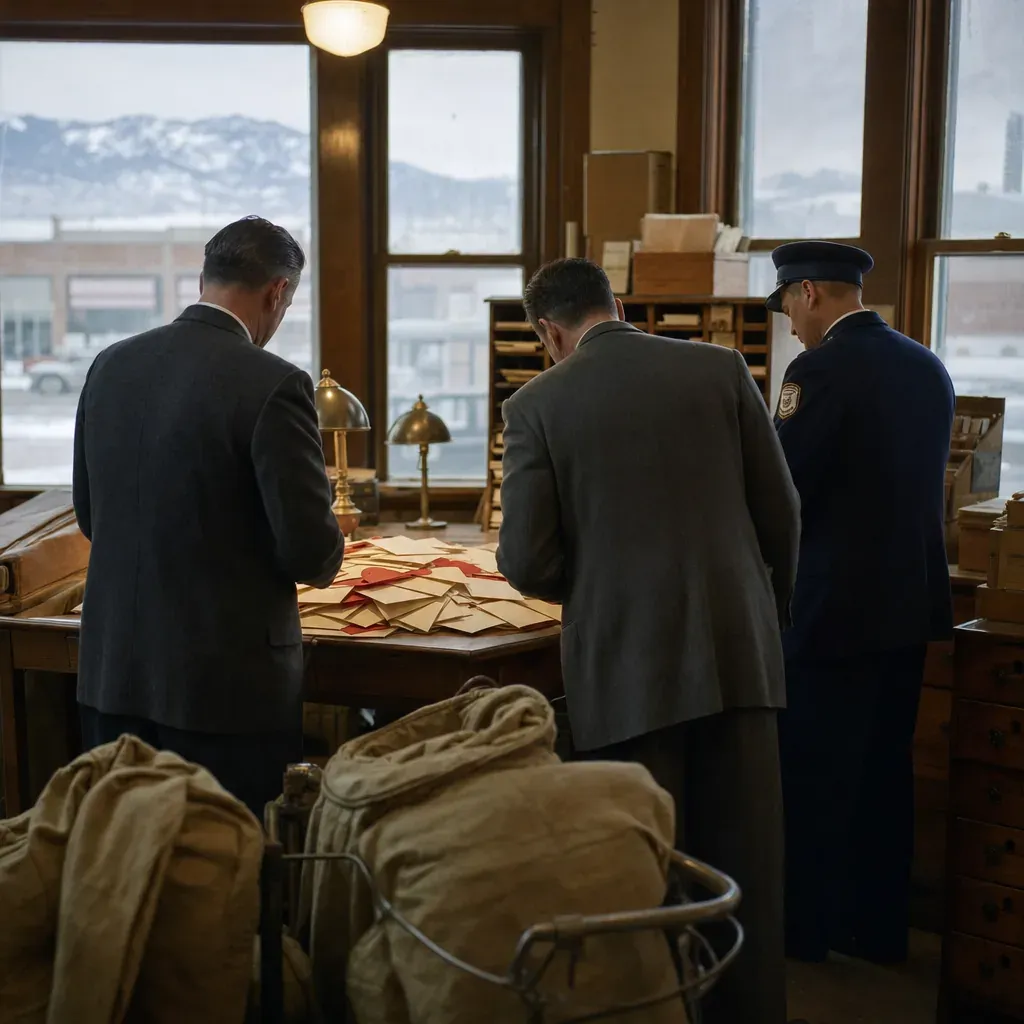
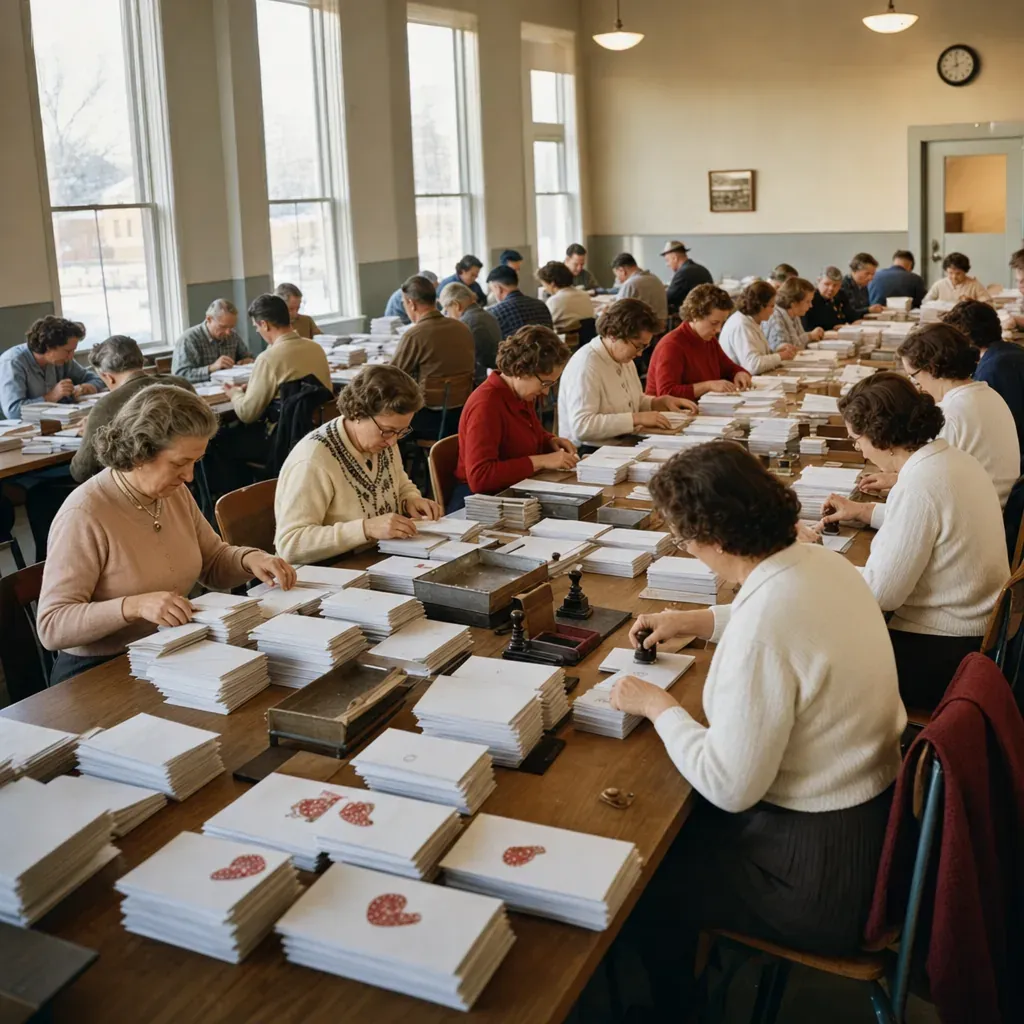
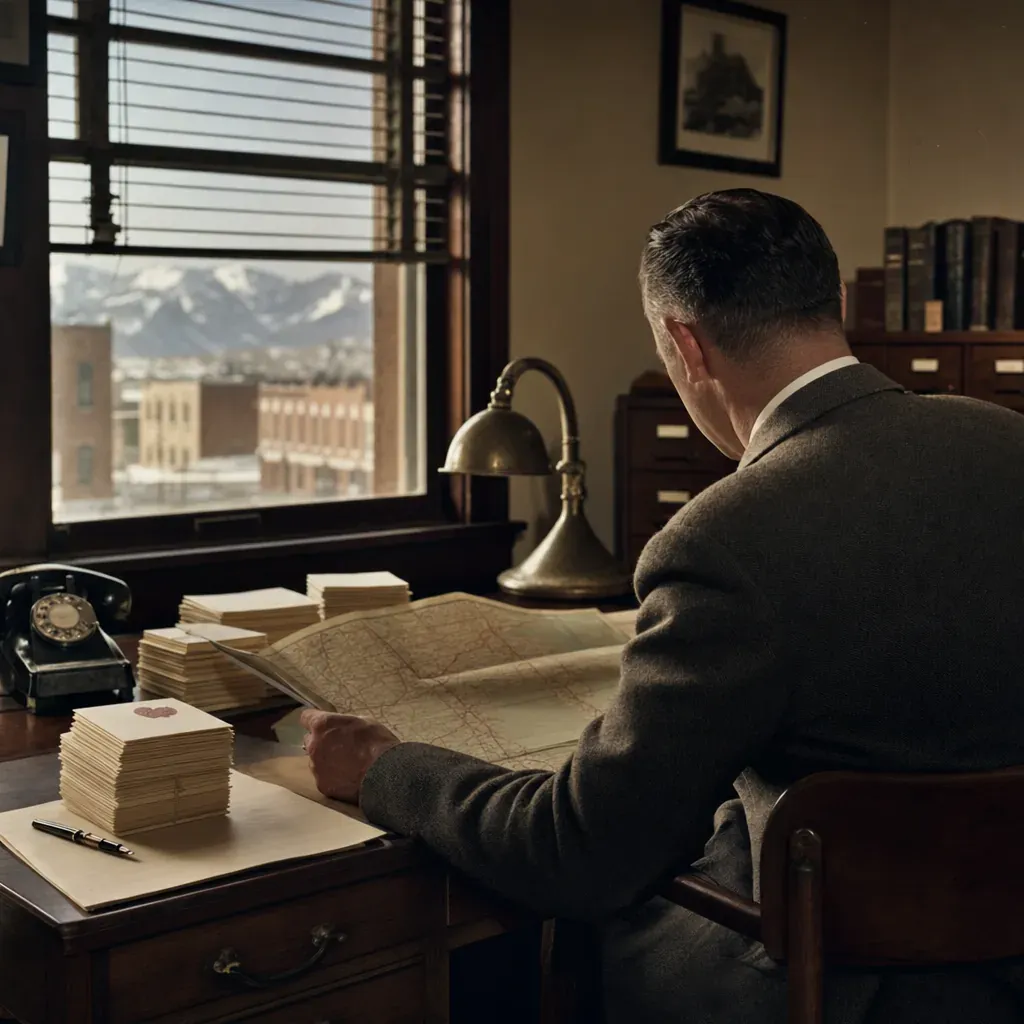
The envelopes came for the name first: Loveland. Before ink pads and special verses, people were already sending valentines to a Colorado town because the postmark sounded like a wink. Ted Thompson, president of the Loveland Chamber of Commerce, was in the right town at the right moment. In 1947, he and Loveland postmaster Elmer Ivers noticed something charming in the mail: people were sending valentines into Loveland so the cards could go back out wearing a Loveland postmark. It was hard not to smile at the logic. If you were sending a love letter, why wouldn’t you let it travel through a place literally called Loveland? The town’s name was already doing half the work. All it needed was someone to pay attention. Thompson and Ivers did. What might have stayed a cute postal oddity became the Loveland Valentine Re-Mailing Program. The chamber created a special verse and artwork, and volunteers began hand-stamping envelopes before sending them on to their final destinations. It was part mail service, part community project, part cheerful conspiracy. Picture the scene: tables filling with envelopes, stacks leaning like little paper snowdrifts, hands moving from ink pad to card and back again. Each envelope carried someone else’s message, but for a moment it also belonged to Loveland. The town added its flourish, then sent it on. There’s something wonderfully practical about the whole thing. Nobody needed to invent romance. Nobody needed to give Cupid a new job description, though Loveland did seem to give him a mailroom. Thompson and Ivers simply recognized that people were trying to add a bit of magic to an ordinary stamp, and they made room for it. Instead of treating the extra mail as a nuisance or a novelty, Loveland welcomed it. The chamber leaned in. The post office helped. Volunteers picked up stamps, ink, and envelopes, and the town began spending part of every winter helping strangers say what they meant to say. Loveland was not a giant city with endless hands to spare. The 1940 census counted fewer than 7,000 residents. Still, this small Colorado town became known as the “Sweetheart City,” not because it declared itself romantic from a distance, but because year after year, people sat down and did the work. Over the decades, the numbers grew far beyond the size of the original idea. Volunteers have re-mailed millions of valentines. In busy modern seasons, more than 100,000 cards can arrive from all 50 states and many countries, each one waiting for the year’s special cachet before moving on again. Those cards don’t all carry the same kind of love. Some are headed to sweethearts. Some to grandchildren. Some to spouses. Some, surely, to someone who just needs a small square of paper proof that they are remembered. That may be the loveliest part of Loveland’s accidental tradition. It is famous, yes, but still wonderfully ordinary at the table level: envelopes, ink pads, postmarks, volunteers, and a town willing to lend its name to other people’s affection. For a little while each winter, Loveland helps love find the mailbox.