Netflix's Operation Christmas Drop Has a Guam Ham-Radio Santa Behind the Airplanes
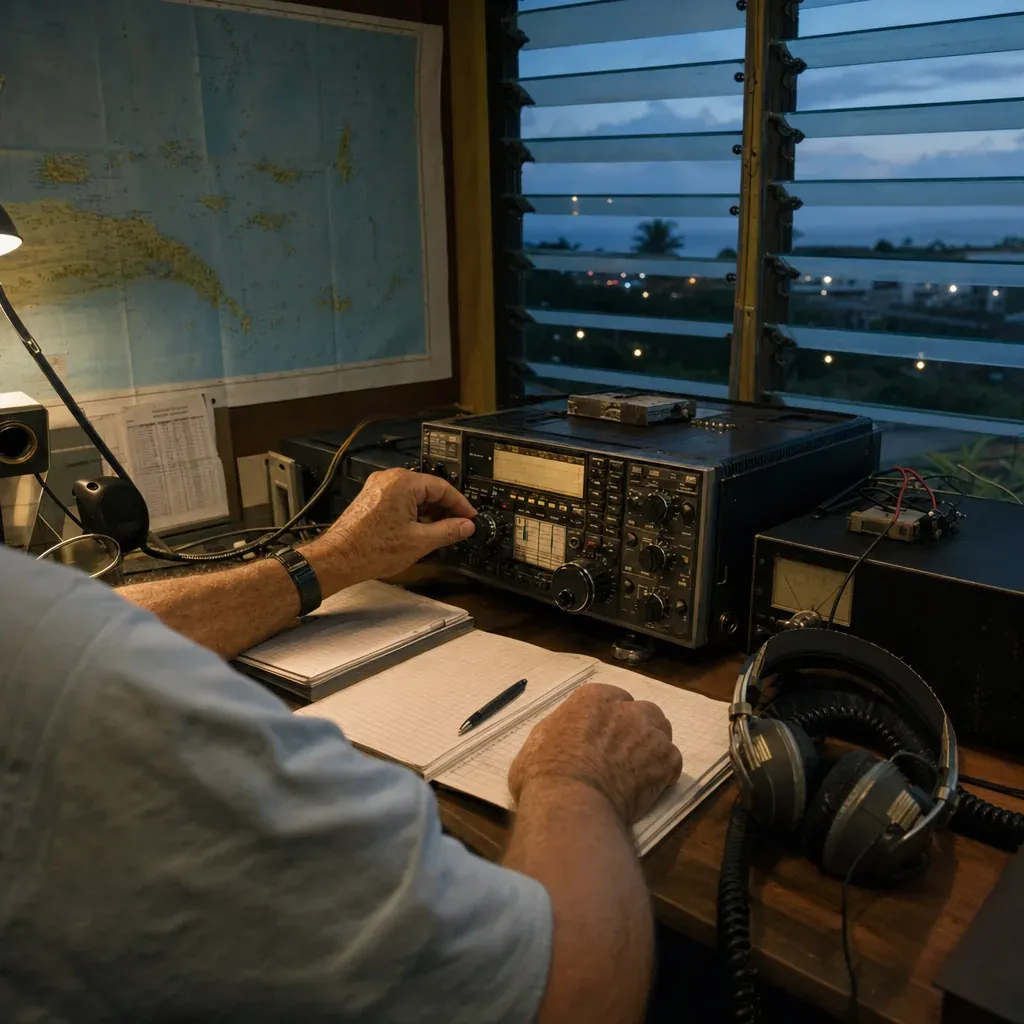
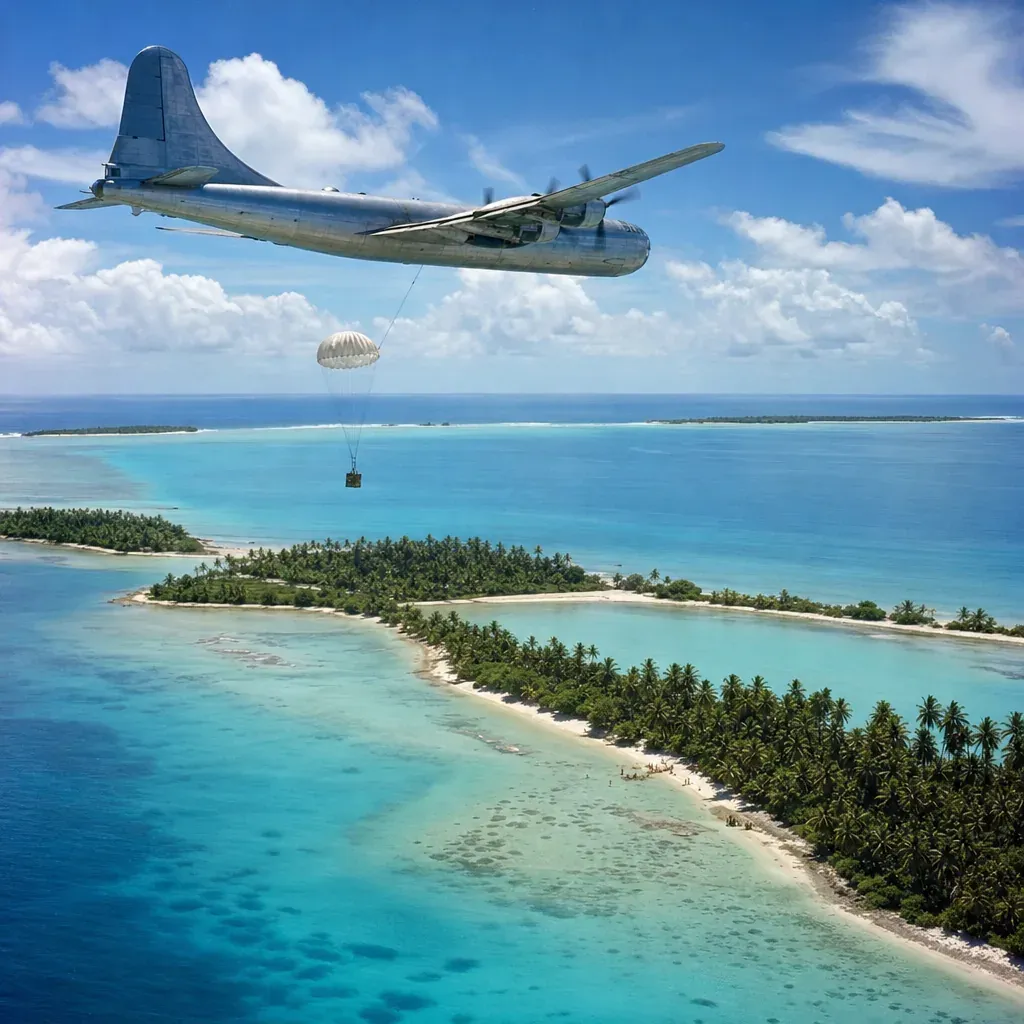
Out over the blue Pacific, Christmas sometimes arrives with a parachute and a thump, dropped from the back of a C-130 toward islands with no loading dock and no big-box store in sight. But before those boxes float down, someone on Guam has been listening through the crackle. Bruce Best is the quieter part of Operation Christmas Drop. A longtime radio operator associated with the University of Guam’s PEACESAT and amateur-radio work, he has spent years helping island communities and the Air Force do something simple and surprisingly tender: ask first. From Guam, Best helps turn faraway voices into practical lists. The mission is easy to picture. Crews out of Andersen Air Force Base load parachute-rigged boxes, lift into the sky, and fly across a huge stretch of ocean toward some of the most remote islands in the Federated States of Micronesia. It’s the kind of sight cameras love so much that it inspired Netflix’s 2020 holiday film “Operation Christmas Drop.” But the movie version comes with dramatic skies and handsome aircraft. Best’s version comes with radio equipment, patience, and the humble magic of a signal finding its way over water. In many of these island communities, phone and internet service can be fragile. High-frequency radio still matters. It’s not sleek. It can hiss and pop and make everyone wait their turn, like an old family station wagon that refuses to retire because it still knows the roads better than anything new. Before the December flights, island contacts can relay what would actually help. Not a vague wish list dreamed up far away, but real requests from real communities: school supplies, tools, food staples, clothing, fishing gear, toys. Those messages make their way back to Guam, where volunteers pack boxes with a better sense of what should go inside. That’s where the story turns from impressive to intimate. It would be easy, from a distance, to think of Operation Christmas Drop as only an airlift: aircraft, maps, pallets, flight plans, drop zones. And it is all of those things. It is one of the U.S. military’s longest-running humanitarian airlifts, launched annually from Andersen and reaching tens of thousands of people across dozens of remote islands. But tucked behind the roar of engines is Best, helping make sure the generosity has an address and a purpose. A box of gifts is kind. A box with the things someone actually asked for is kinder. The mission began in 1952, when a WB-29 crew from the 54th Weather Reconnaissance Squadron was flying from Guam and spotted people waving on Kapingamarangi Atoll. The crew improvised a parachute drop of supplies, and what began as a quick human response grew into an annual effort. That first moment still feels wonderfully plainspoken: people waved, someone noticed, and help came down from the sky. Best’s part carries the same spirit, only by radio. He helps close the distance between a small island and a packing line on Guam. He helps make sure the supplies are not just cheerful, but useful. In a mission big enough for cargo planes and famous enough for a holiday film, his work feels like a small-town favor passed hand to hand across an ocean. There’s a gentle bit of comedy in it, too. Santa’s sleigh, in this case, is a C-130. The North Pole has been swapped for Andersen Air Force Base. And one of Santa’s helpers is not checking a naughty-or-nice list so much as making sure someone remembered the fishing gear. Afterward, the ripple moves in both directions. Island communities receive boxes shaped by their own requests, while volunteers and crews on Guam know their work is landing with care. The drop may be the part everyone sees, but the listening is what helps it feel personal. Some gifts begin with wrapping paper; this one begins with a radio.
Listen to this story, narrated.