Mele Kalikimaka: The Christmas Classic That Began With a Honolulu Office Question
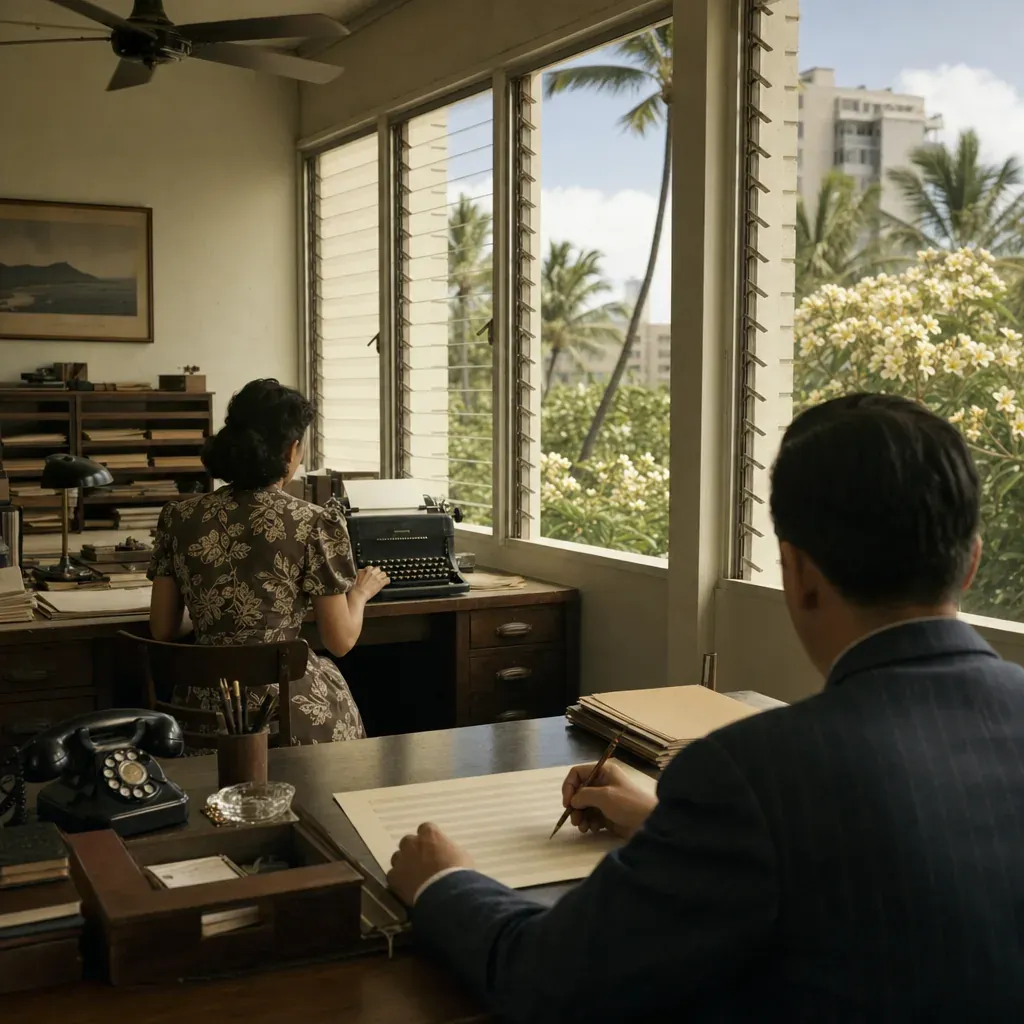
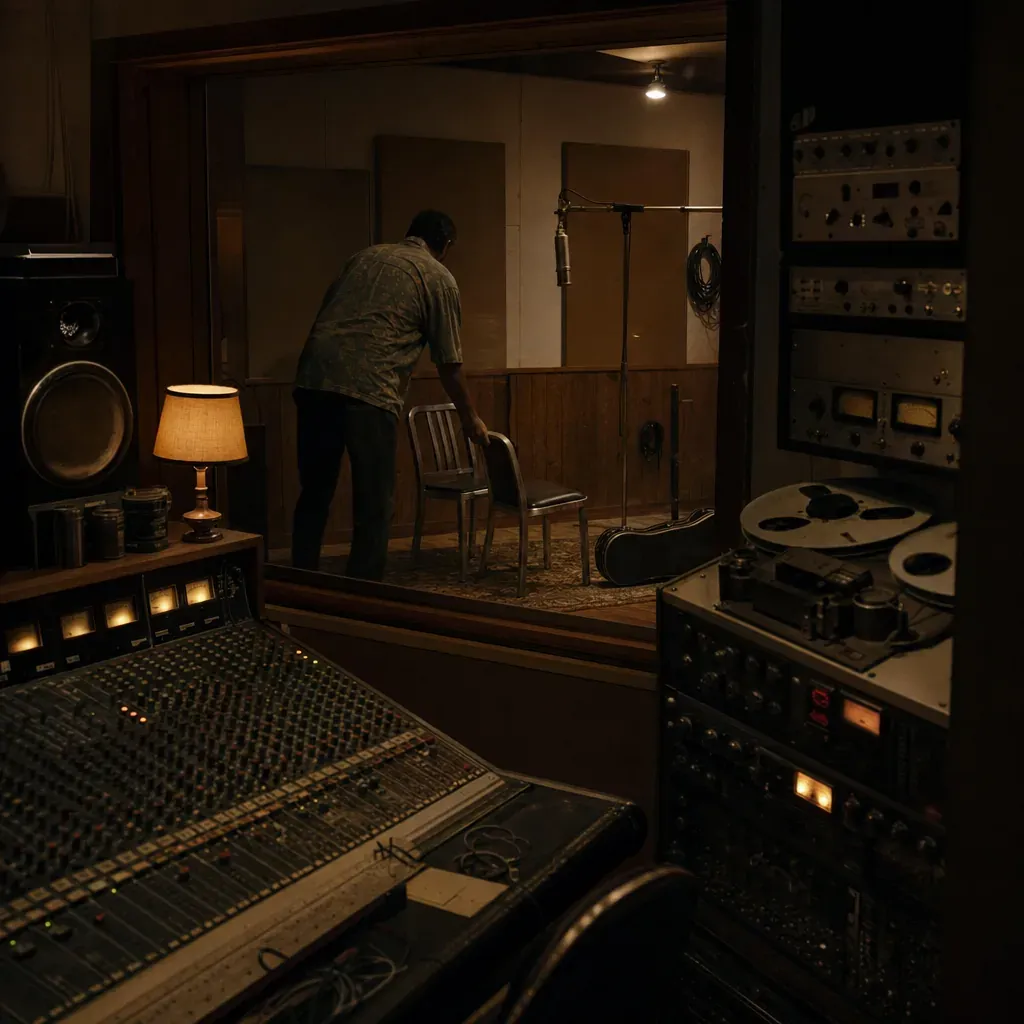
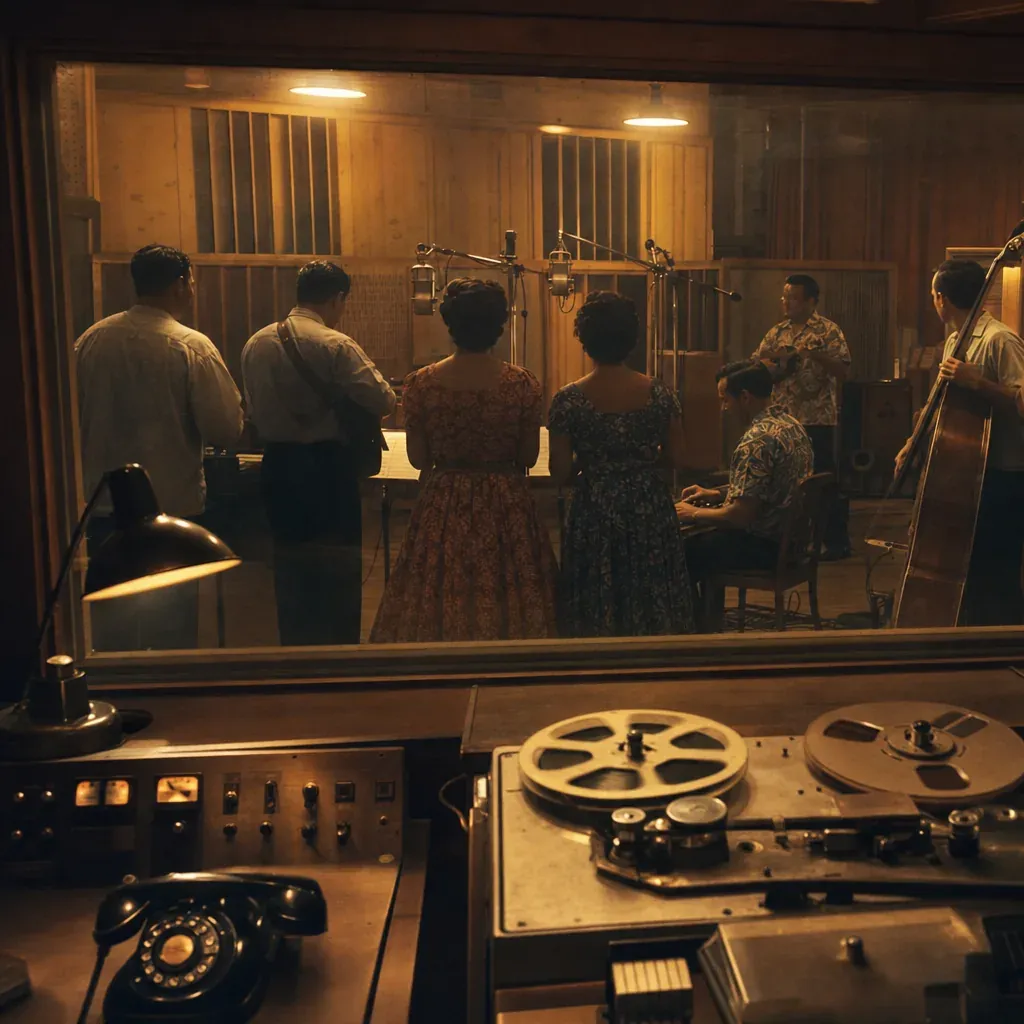
A Christmas song can smell like plumeria if you let it. This one began not with sleigh bells or snow, but with a practical question in a Honolulu office. Robert Alexander Anderson — better known as R. Alex Anderson — was a Honolulu-born businessman and songwriter who knew both ledgers and melodies. A Punahou and Cornell graduate, he worked for Vonn Hamm-Young Co. and wrote hapa-haole songs on the side, including “Lovely Hula Hands.” He wasn’t trying to create a holiday standard. He was simply the sort of person who could hear a good idea when it wandered into the room. The idea came from a stenographer in his office. As Anderson later told it, she asked why there wasn’t a Hawaiian Christmas song. It was such a small question, almost too sensible to ignore. Hawaiʻi had its own music, its own warmth, its own way of greeting people with open arms. So why should December arrive wearing only a mainland sweater? You can almost picture the moment: paper, typewriter keys, the hum of a business day, and then someone looking up to ask, in effect, “What about us?” Not as a complaint. More like noticing there’s an empty chair at the holiday table. Anderson took the question seriously. What he wrote was “Mele Kalikimaka,” a title that is the Hawaiian rendering of “Merry Christmas.” The phrase had to be reshaped by the sounds available in Hawaiian, and somehow that made it feel even more musical. There’s a bit of everyday humor in that: one of America’s most familiar Christmas greetings became famous partly because “Merry Christmas” had to put on an aloha shirt to fit the language. The song didn’t arrive with frost on the window. It arrived with sunshine. It had the easy sway of a place where Christmas could mean palm trees instead of pine branches, and where a holiday greeting could move with the rhythm of local music. Anderson had answered a simple office question with three minutes of bright December weather. Then the song found the right traveler. Anderson had a friend in Bing Crosby, who loved Hawaiʻi and had already helped make “Sweet Leilani” famous. Crosby recorded “Mele Kalikimaka” with the Andrews Sisters for Decca, and the song stepped out of that Honolulu office and into homes far beyond the islands. Radios picked it up. Families heard it while trimming trees, wrapping gifts, or trying to keep cookie tins away from the most determined relatives. Later, it found its way into pop culture too, including “National Lampoon’s Christmas Vacation,” where it brought a little island breeze into a very different kind of holiday chaos. That’s the lovely turn in the story. “Mele Kalikimaka” didn’t begin as a grand plan. It began because one employee noticed something missing, and one local songwriter thought the question deserved an answer. The ripple was bigger than the office, bigger than Anderson could have needed it to be. A Hawaiian Christmas greeting joined the national Christmas songbook, and December got a little more room in it — room for warmth, palm trees, and a melody that still feels like it’s smiling. Some songs don’t knock loudly; they just walk in wearing flowers.
Listen to this story, narrated.