The American Diner Began as Walter Scott’s Late-Night Lunch Wagon in Providence
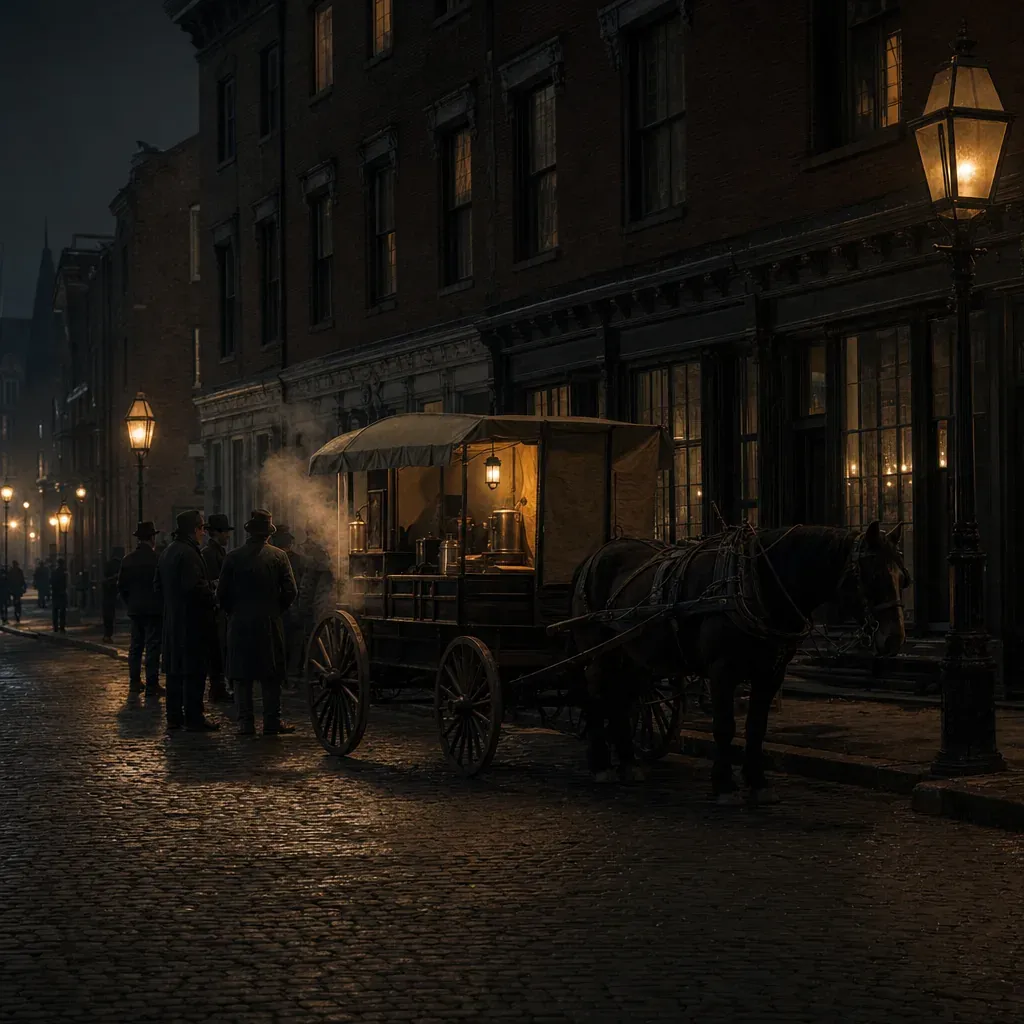
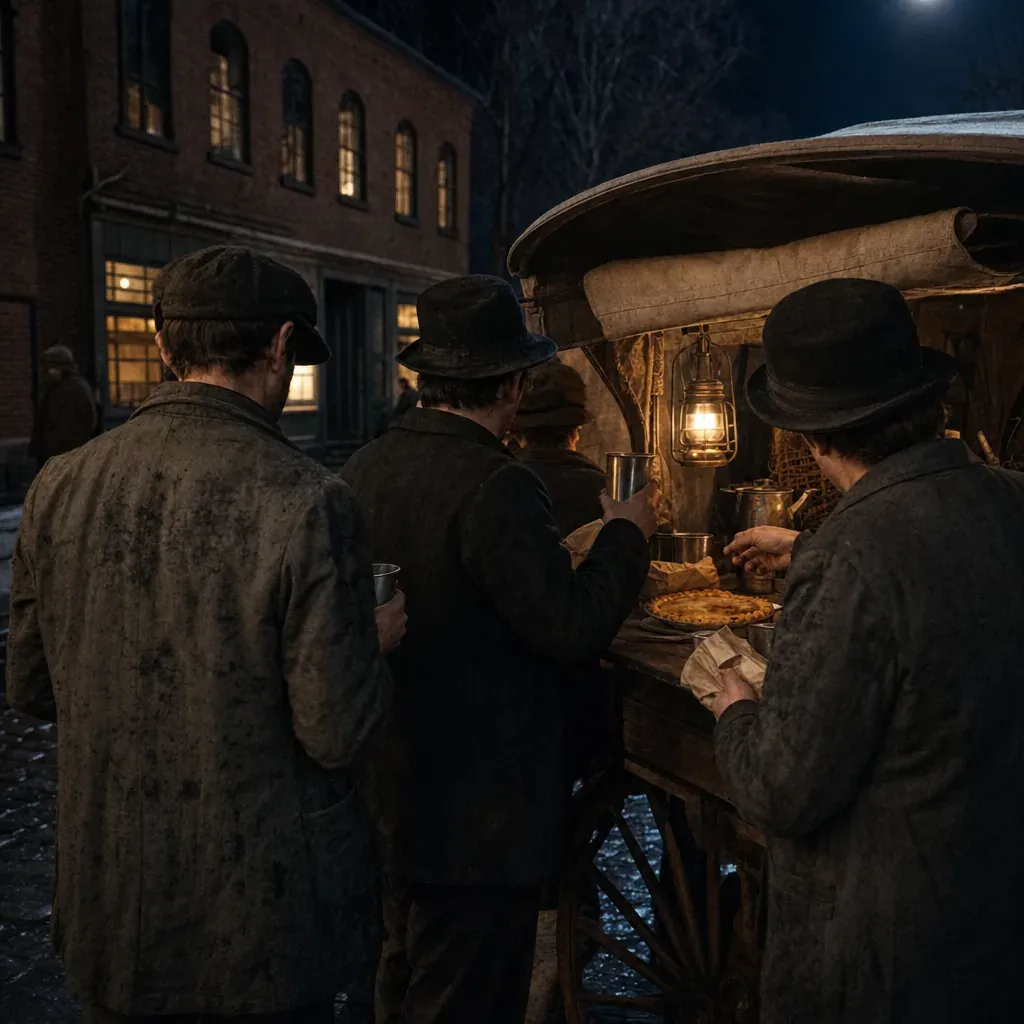
Before the diner had chrome counters, swivel stools, jukeboxes, or laminated menus, it had the smell of coffee in the dark and the soft clop of a horse near a newspaper office. It began not with a grand opening, but with a covered wagon parked in downtown Providence after most places had turned out the lights. Walter Scott was a pressman for the Providence Journal, and he had an eye for a particular kind of hunger. Printers, newspapermen, and other night workers kept hours that didn’t match the rest of the city. When shifts ran late, they wanted something simple: a hot drink, a bite to eat, and maybe a minute to stand still. So in 1872, Scott did something practical. He parked a horse-drawn covered wagon outside the Journal offices and began selling food after regular restaurants had closed. There was nothing fancy about it. No gleaming counter. No bright sign promising breakfast all day. No waitress refilling a mug with the speed of a magician. Just a wagon, a man who understood the problem, and food that made sense when you were tired: coffee, sandwiches, pie, and other quick bites. You can picture the appeal. The city had gone sleepy around the edges. The newspaper office was still alive with ink, paper, machinery, and deadlines. Men who had spent hours inside could step out and find, of all mercies, pie. That detail gives the story its small grin. Not a banquet. Not a formal meal. Pie from a wagon in the middle of the night — which, under the circumstances, may have tasted better than anything served on china. Scott wasn’t setting out to create a symbol of American life. He was solving a local problem. Hungry people were awake when the usual places were closed, and he found a way to meet them where they were. The kindness was plain enough to fit in one hand: a cup of coffee, a sandwich, a slice of pie, a short pause before going back to work. What might have looked like a small convenience became something others could recognize immediately. Of course night workers needed food. Of course a meal didn’t have to wait for daylight. Of course a wagon could become a brief shelter for people whose clocks ran differently from everyone else’s. Other lunch wagons soon followed in Providence and beyond. The idea traveled because it was useful, and because useful things spread faster when they also feel good. A quick meal after hours was not just about filling an empty stomach; it gave people a place to pause, warm their hands around coffee, and feel a little less alone while the rest of the city slept. Over time, that wagon idea grew into the diner tradition people recognize across the country. The later details would become famous in their own right: the counters, the stools, the endless coffee, the friendly talk, the menus that seem to offer everything under the sun. But at the beginning was Walter Scott, a Providence Journal pressman, noticing that tired workers deserved supper too. It’s a funny and lovely origin for such a beloved piece of Americana. The diner began with a horse-drawn wagon and a practical Rhode Island man who saw hunger after hours and did something about it. Sometimes comfort pulls up on wheels.
Listen to this story, narrated.