Franklin, Massachusetts Wanted a Bell; Benjamin Franklin Sent Books Instead
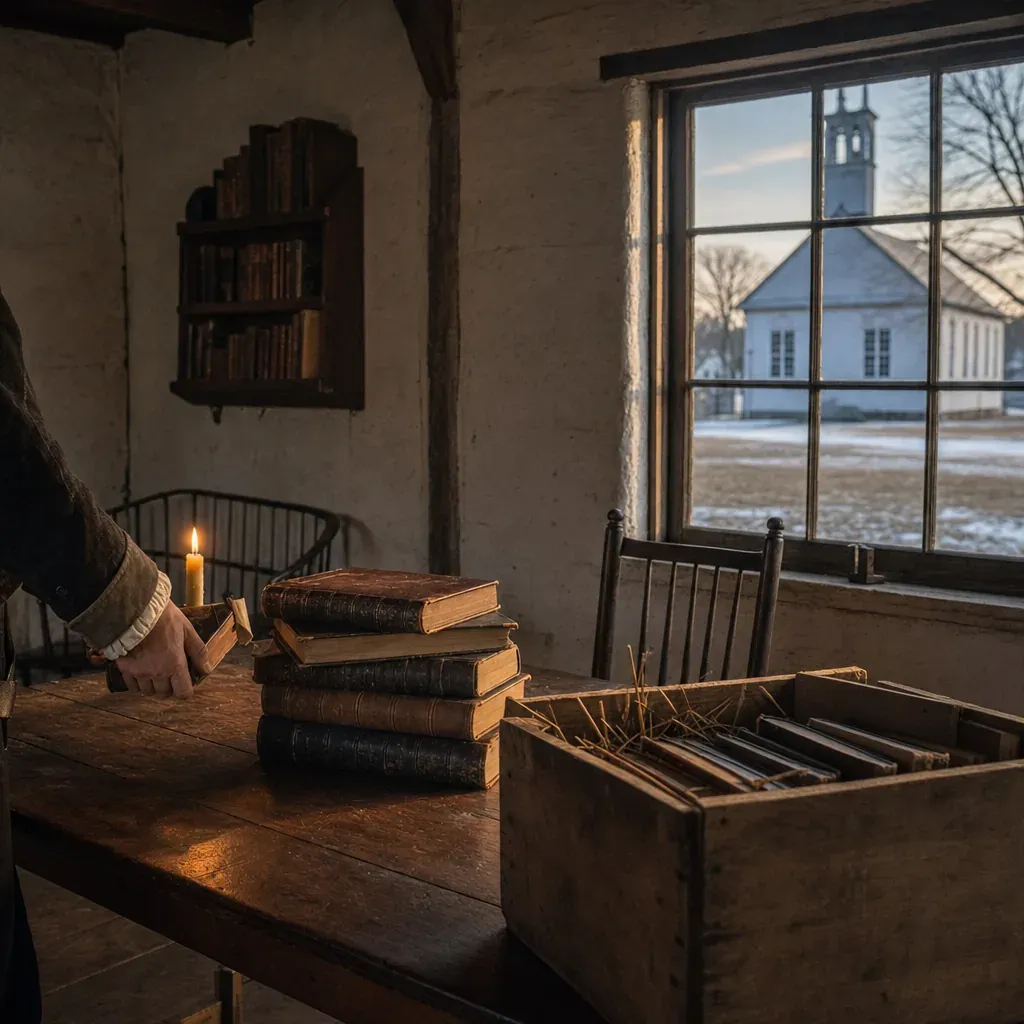
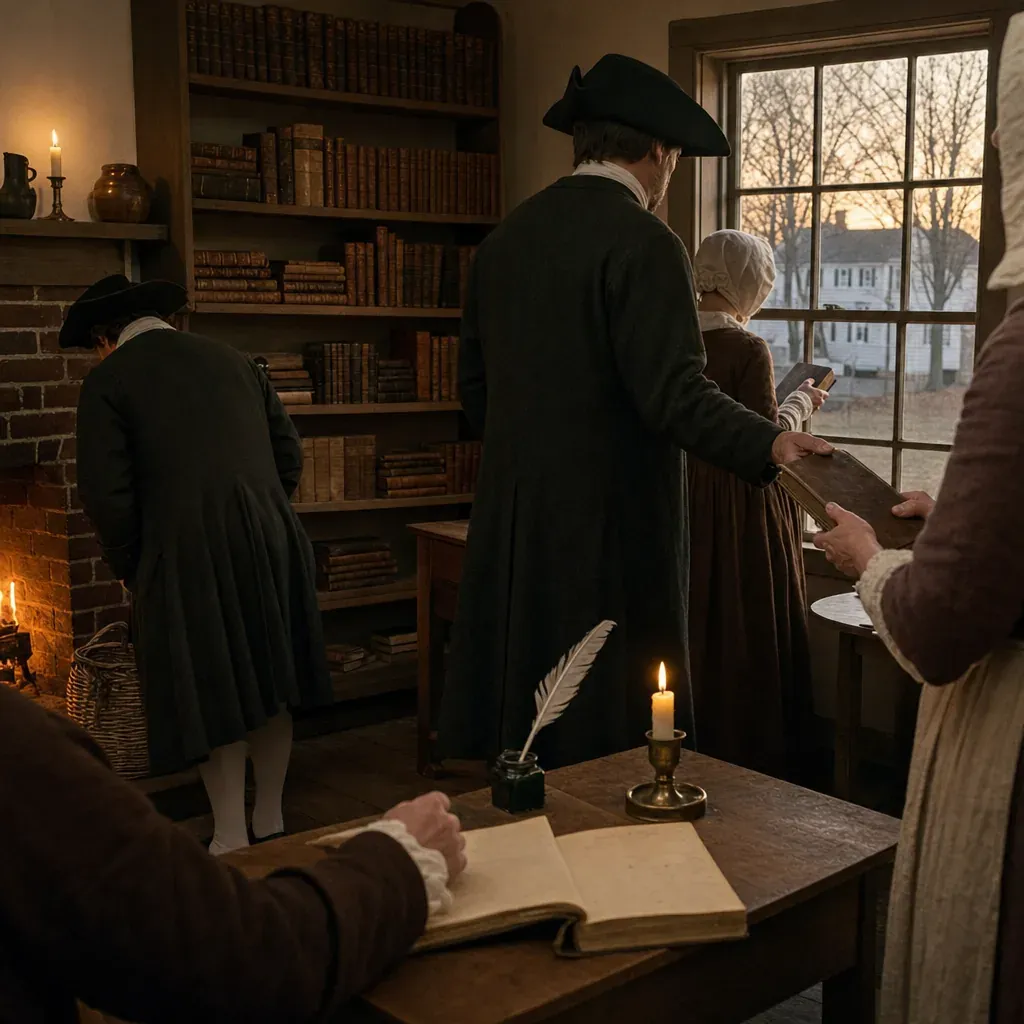
A bell would have been lovely: bronze in a steeple, rope in hand, its voice rolling over a small Massachusetts town. But the gift that came instead made almost no noise at all, unless you count the soft thump of a book being set on a table. The town was Franklin, Massachusetts, newly made from the western precinct of Wrentham and named for Benjamin Franklin, the Boston-born printer, scientist, and diplomat. The residents had honored him with the name, and town tradition says they hoped the compliment might coax a bell out of him for their meetinghouse steeple. Franklin, being Franklin, answered with something quieter and more useful. You can almost hear the setup, because it has the shape of a small-town joke. A community says, in effect, “We named our town after you. Perhaps a bell?” And Franklin replies, not with clanging metal, but with books. Not one or two, either. He sent 116 volumes to the town that carried his name. It was a generous gift, with a little wink tucked inside it. A bell could call people together. A bell could mark the hour. A bell could make the whole town look up for a moment. Books could do something slower. They could be opened in a kitchen. Carried home under an arm. Passed from neighbor to neighbor. Read by candlelight, by a window, beside a fire, wherever someone had a few minutes and enough curiosity to turn a page. A bell would have belonged to the steeple. These books belonged to the people. Franklin had made his life around printed words, experiments, civic usefulness, and ideas that moved. So when the people of Franklin hoped for sound, he gave them sense instead. The gentle humor of it is hard not to love: the town asked, in its way, for something that would ring out over the rooftops, and the famous man sent something that mostly sat still and waited politely. Then the town did something important with that quiet gift. A few years after Franklin’s donation, the residents voted to make the collection available for public use. The books were not tucked away as a private treasure or treated only as a ceremonial present from a famous man. They became something neighbors could borrow. Something shared. That decision is why the Franklin Public Library cites the collection as the beginning of America’s first public lending library. It started not with a grand building or a dramatic speech, but with a practical gift and a community willing to put it into many hands. The town wanted a bell, which is understandable — bells are cheerful things, and they do make a place feel official. But books had their own kind of music. Quieter, yes. Less likely to startle the horses, certainly. Still, they carried voices across distances no steeple could manage. The ripple from Franklin’s gift lasted far beyond the hoped-for chime. Surviving volumes from the original donation are preserved by the Franklin Public Library, linking the town back to that first thoughtful exchange. What began as a thank-you from a famous man became a shared resource for ordinary readers. The bell never came, but the pages did.