Muhammad Ali’s Red Schwinn, and the Louisville Policeman Who Told Him to Learn to Fight First
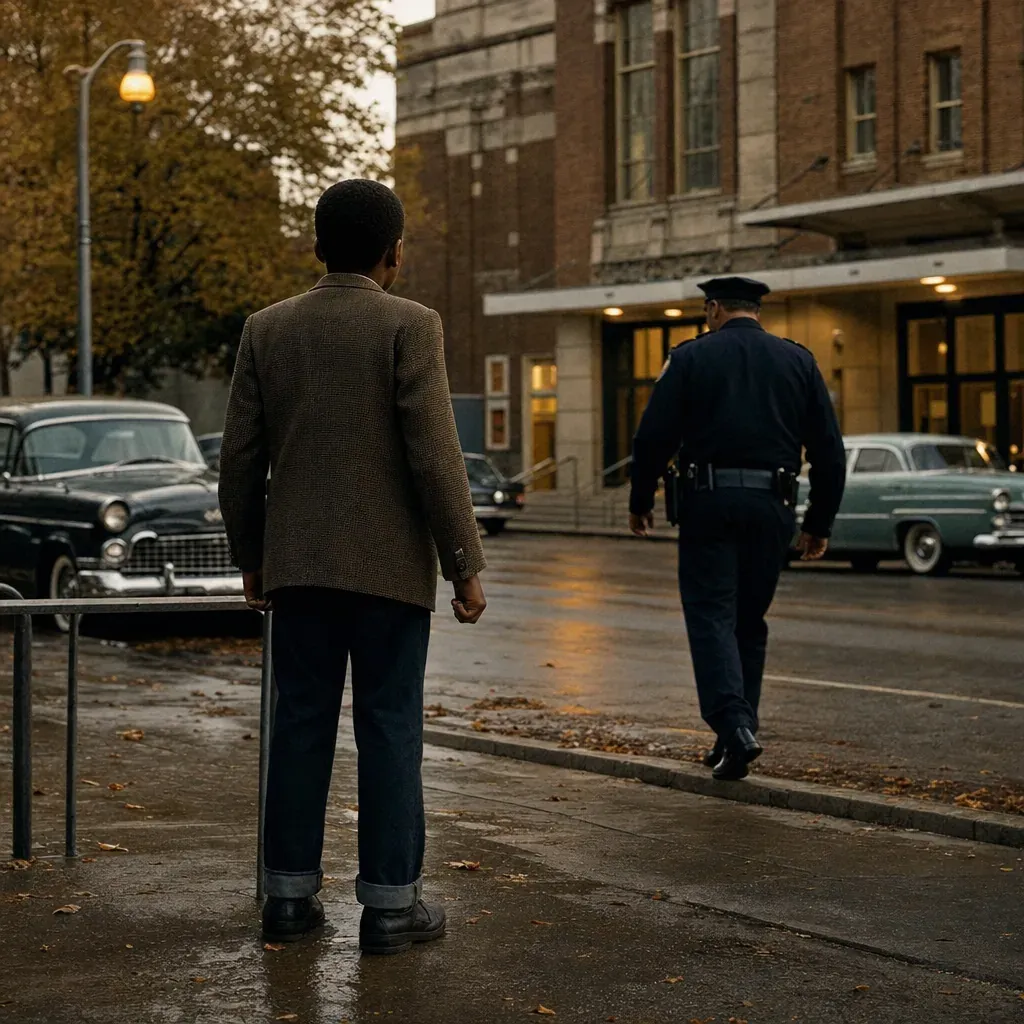
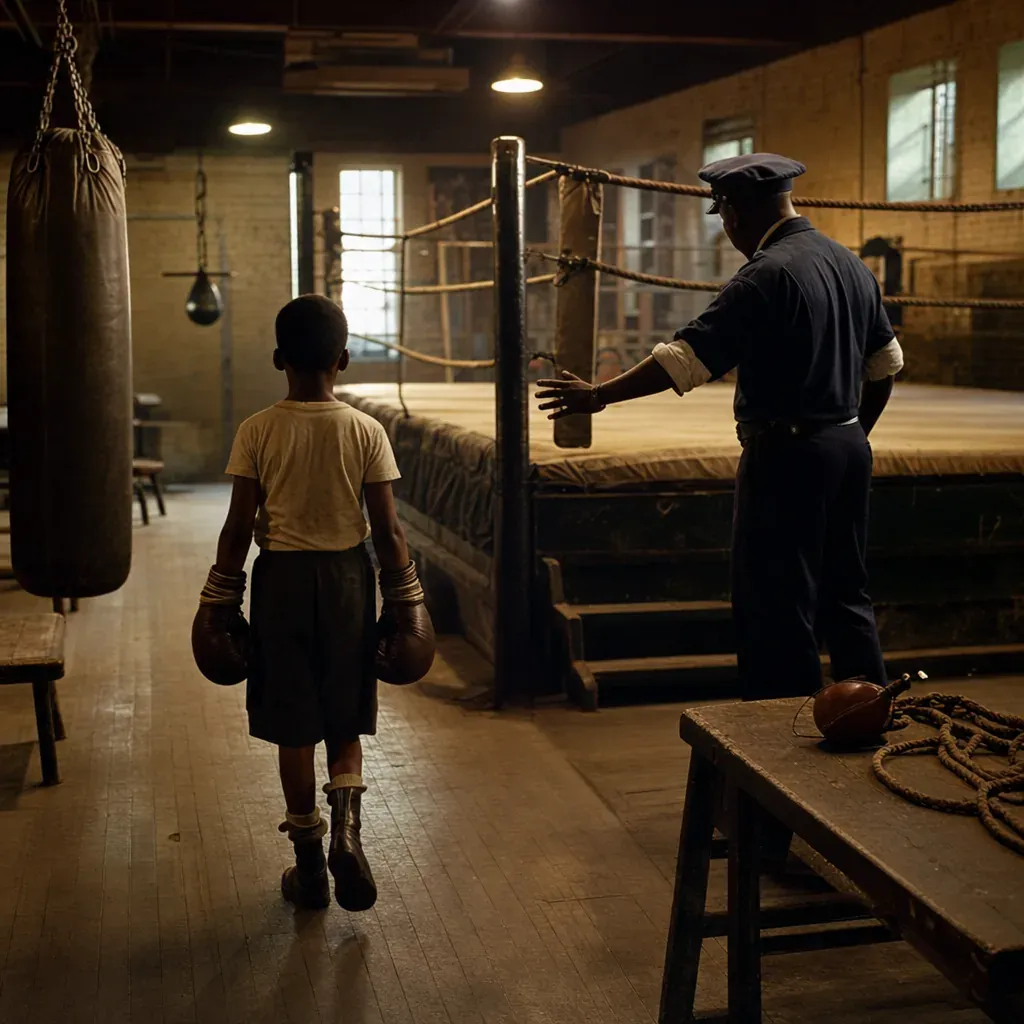
A red-and-white Schwinn is a hard thing for a 12-year-old to lose quietly. Especially when the boy who lost it was Cassius Marcellus Clay Jr., and he had already decided the thief deserved a proper “whup.” Before he was Muhammad Ali, Cassius was a skinny, quick-talking kid in Louisville with a brand-new bicycle and a lot of heat in his chest. He had gone to the Louisville Home Show at Columbia Auditorium in October 1954, probably expecting to come back out to the same bright bike he’d left behind. Instead, there was empty space where the Schwinn should have been. That kind of empty space can feel enormous when you’re 12. Cassius did what a furious boy might do. He found a grown-up in uniform. Officer Joe E. Martin was a Louisville policeman, but that wasn’t all he was. Downstairs in the Columbia Gym, he coached young boxers. So when Cassius stormed up with his missing-bike outrage and announced that he wanted to “whup” whoever had stolen it, Martin didn’t answer like a man shocked by the threat. He answered like a coach. He told the boy he had better learn how to fight first. It was practical advice, almost comically so. Not, “Calm down, son.” Not, “We’ll fill out a report.” Not even, “Let’s see if we can find the bike.” Just the clean logic of a man who knew the difference between anger and skill: if you’re going to talk about fighting, you may as well learn where your feet go. And so the missing Schwinn led Cassius downstairs. One minute, a boy was hot with injustice, all elbows and outrage. The next, he was being pointed toward a gym where anger had rules, corners, gloves, and someone watching closely enough to shape all that noise into motion. The bike was gone. The temper was not. But Martin gave it somewhere better to land. There’s a gentle little joke tucked inside the famous story. Officer Martin did not recover the bicycle. The red-and-white Schwinn never came back. As police work goes, that part was not exactly a triumph. But as coaching went, it was something else entirely. Within weeks, Cassius Clay was on Martin’s local television program, “Tomorrow’s Champions.” That title must have sounded bold enough for the boy, who was already learning that a little showmanship could travel nicely alongside fast hands. The kid who had arrived wanting to “whup” a thief was now standing under brighter lights, not because anyone had handed him back what was stolen, but because someone had noticed the raw spark in him and said, in effect, “All right, let’s do something with that.” Six years later, Cassius Clay won Olympic gold in Rome. Later still, as Muhammad Ali, he became a three-time world heavyweight champion and the most famous boxer in the world. But the warmest version of how it began doesn’t need a grand stage. It fits inside one Louisville building: a boy looking for his bicycle, a policeman who also coached boxing, and a sentence that nudged fury toward footwork. The bike vanished, but the boy found his ring.
Listen to this story, narrated.