The Pharmacist Who Lit Up Kenova, One Pumpkin at a Time
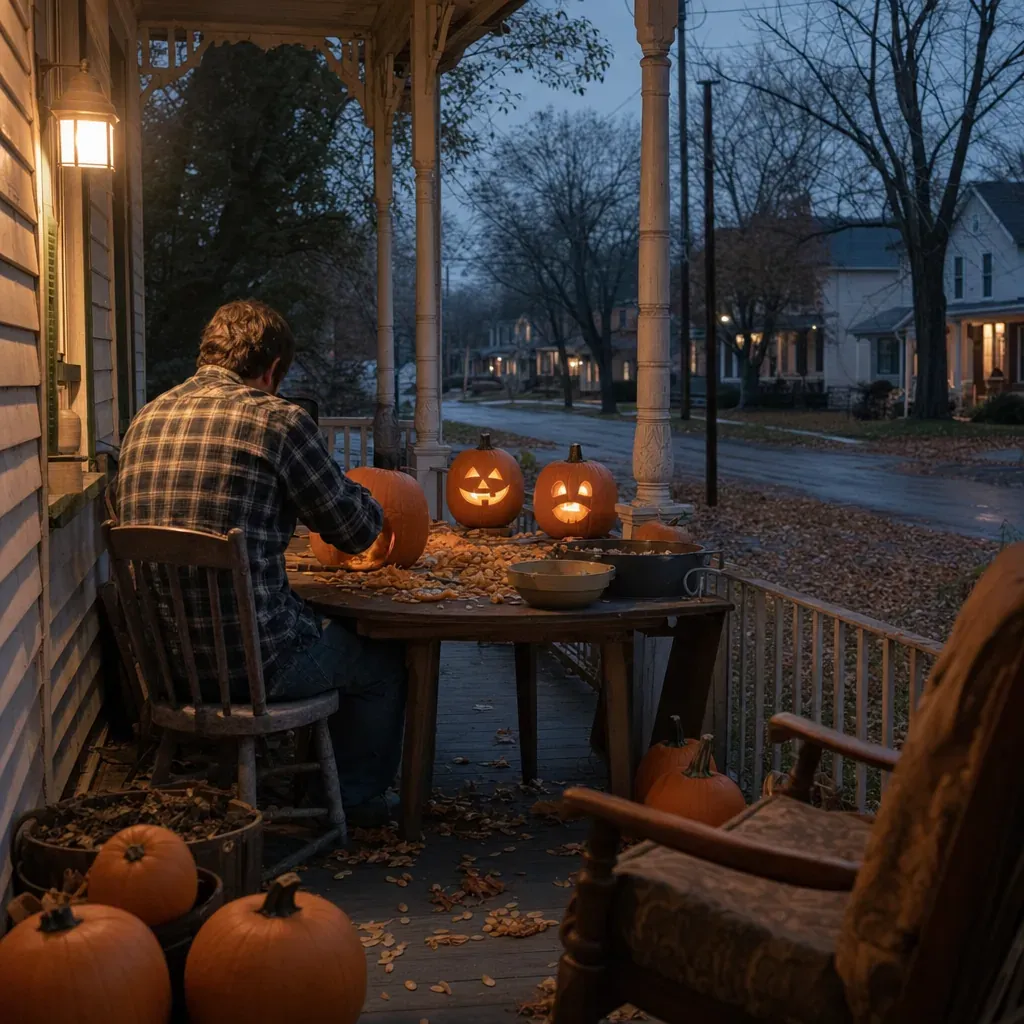
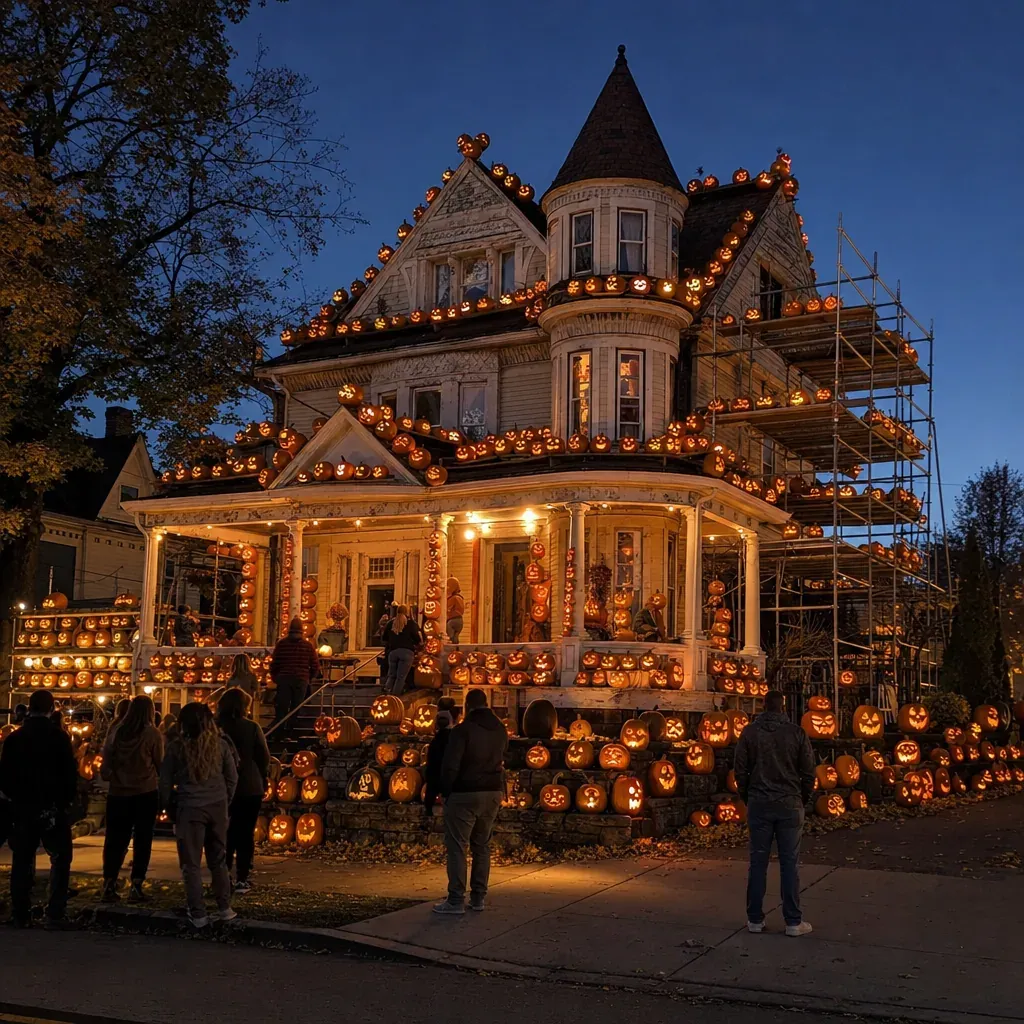
The first surprise was probably the smell: fresh-cut pumpkin, damp October air, and that unmistakable mess of seeds and stringy orange pulp that somehow gets everywhere. A few jack-o’-lanterns sat at home in Kenova, carved by a dad for his daughters, never meant to become anything larger than a happy Halloween evening. Ric Griffith was at home on Beech Street in Kenova, West Virginia, when he began carving those pumpkins in 1978. He was a longtime pharmacist, later known also as a former mayor, but in that moment he was simply a father making something fun for his children. The goal was small and sweet: a porch-sized surprise, the kind that flickers for one night and leaves the sink full of evidence. Then the neighbors noticed. That’s how these things seem to happen in small towns. One person puts in a little extra effort, someone slows down to look, someone else tells a friend, and suddenly the simple thing has grown legs. Or, in this case, vines. The pumpkins kept coming. More people came by. The display got bigger, brighter, and harder to manage, until the reasonable response might have been to scale back. Kenova chose the other option. The town helped. What began as a family Halloween project became the Kenova Pumpkin House, the Victorian home on Beech Street covered each October with thousands of carved pumpkins. Not dozens. Not even hundreds. The display is commonly reported at about 3,000 jack-o’-lanterns, arranged across porches, steps, scaffolding, walls, and rooflines. It’s the sort of number that makes a person pause. Three thousand pumpkins means three thousand tops to cut, three thousand interiors to scoop, three thousand faces or designs to carve, and three thousand chances for October weather to have opinions. It means hauling, cleaning, placing, lighting, then doing some of it again when a pumpkin loses the battle with time, rain, or simple pumpkin softness. There is nothing glamorous about that part. It’s hands in pulp. It’s slippery seeds. It’s the heavy thump of pumpkins being moved into place. It’s volunteers doing work that smells strongly of fall and looks, at some stage, like cheerful chaos. And that may be the sweetest part of the whole story. Griffith has often credited volunteers with making the display possible: friends, local students, civic groups, and even passersby willing to help scoop pumpkin guts. The Pumpkin House may be famous, but it never really stopped being what it was at the start — a family-and-neighbor project, just with a much bigger porch and a lot more orange. Over time, the house became the best-known attraction of Ceredo-Kenova AutumnFest, drawing visitors from well beyond Wayne County. People came not just to count pumpkins, though it would be hard not to try, but to stand in front of that glowing Victorian house and take in the strange, generous sight of a whole community deciding that “too many pumpkins” was not a problem. There’s gentle humor in it, too. Nobody can possibly need 3,000 jack-o’-lanterns. And yet, every year, Kenova somehow does. The display changed what one dad’s Halloween surprise could mean. It gave neighbors a ritual, visitors a destination, and volunteers a reason to gather around messy tables and glowing faces. A few carved pumpkins for two daughters became something an entire town could claim with pride. All from one porch, one father, and one very successful pile of pumpkins.
Listen to this story, narrated.