Little House on the Prairie and the South Dakota sleigh rides that turned into Laura Ingalls Wilder's love story
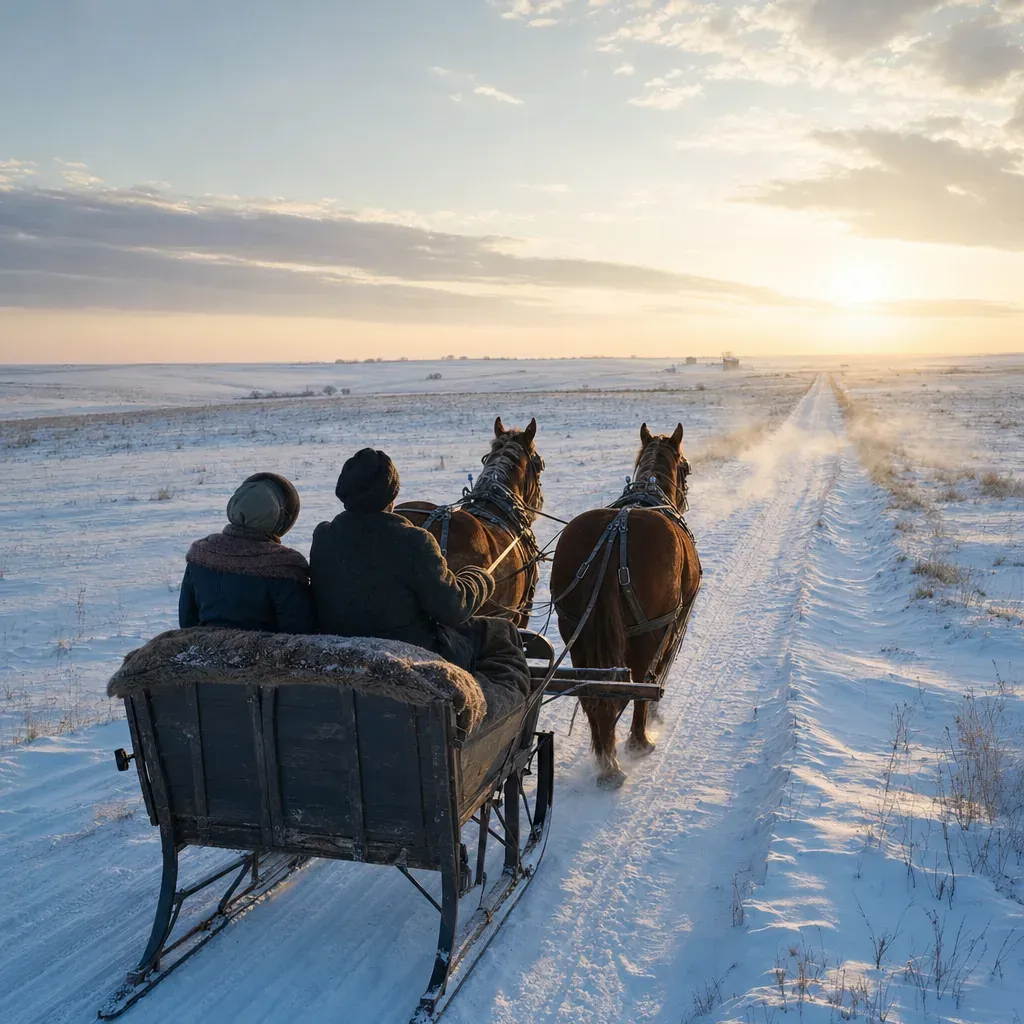
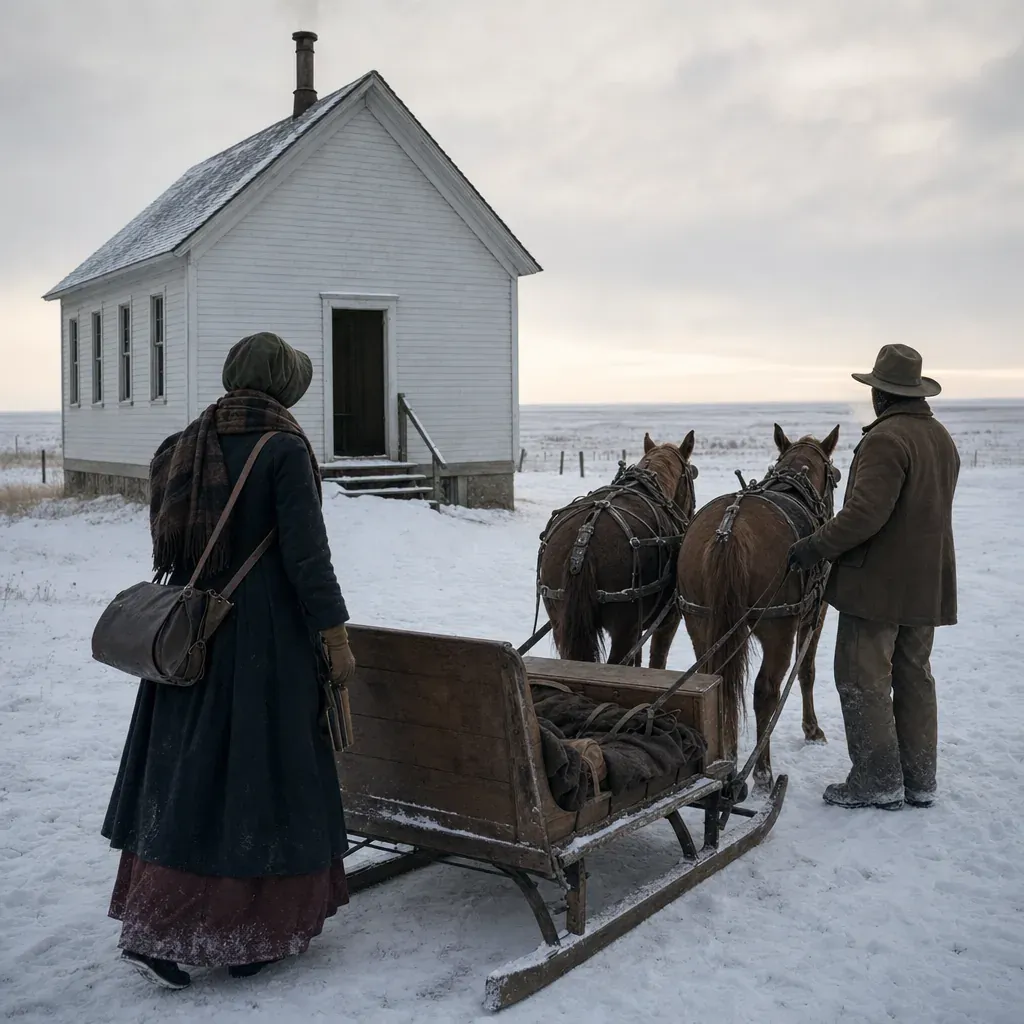
The cold on the Dakota prairie didn’t just nip; it settled in, creaked under sleigh runners, and turned a twelve-mile road into a long white ribbon. And one young man kept saying he was making that trip for the horses. Before Laura Ingalls Wilder became the author of Little House on the Prairie, she was Laura Ingalls, 15 years old and trying very hard to be brave. She was living in Dakota Territory, away from her family in De Smet, after earning her teaching certificate and taking her first job in a one-room school about twelve miles from home. The pay was about $20 a month, and for the Ingalls family, that mattered. Respectable work didn’t make it easy work. Laura boarded away from Ma, Pa, Mary, Carrie, and Grace. She taught her pupils, did what was expected, and counted the days until she could go home. A week can stretch a long way when you’re fifteen, lonely, and sleeping under someone else’s roof. Then Friday came. Out on the snowy prairie, Almanzo Wilder appeared with his sleigh. He was a young homesteader from near De Smet, already known to Laura from town. He had a team, a sleigh, and apparently a very practical reason for driving twelve miles out and twelve miles back in the cold. As Laura later wrote in These Happy Golden Years, he insisted he was not courting her. He was only exercising his horses. It was a wonderfully thin explanation, the sort that might have made even the horses raise an eyebrow if horses went in for that kind of thing. Laura, practical as ever, accepted the ride. Who wouldn’t? There was home at the end of it. There was Ma, and Pa, and her sisters. There was the familiar sound of family voices, the comfort of her own people, and a roof that meant more than shelter. So she climbed into the sleigh. The prairie in winter was no small errand. The open land could make a person feel very small, and the distance between school and De Smet was not just measured in miles. It was measured in cold fingers, quiet hours, and the ache of wanting to be where you belonged. But with Almanzo driving, the road changed. Weekend after weekend, he came back. Not with speeches. Not as a grand gesture. Just the steady arrival of a young man with a sleigh, ready to take a homesick schoolteacher home for a little while. The round trip was about twenty-four miles across open prairie, and he kept making it. And he kept insisting, in effect, that this was about the horses. The horses, it seems, enjoyed an extremely thorough exercise program. Underneath the humor was something gentle and real. Laura had taken the teaching job because her family needed the money. She was doing adult work while still young enough to long fiercely for home. Almanzo’s rides gave her a way to keep going. She could finish the school week knowing that Friday might bring the scrape of sleigh runners, the cold air on her face, and the sight of the road back to De Smet. The kindness was simple, almost plain. A neighbor had a team. A young teacher needed to get home. Snow lay between them, so he crossed it. That small pattern became the beginning of their courtship, whether Almanzo admitted it right away or not. Laura finished the term and continued teaching. A few years later, on August 25, 1885, she and Almanzo were married in De Smet. Long afterward, Laura turned those sleigh rides into literature, and readers came to know the romance tucked inside them. But the heart of it is still easy to see: before the famous books, before the name so many readers came to know, there was a homesick girl on the prairie and someone willing to show up in the cold. Sometimes love starts by offering a ride home.