Kindergarten, and the Wisconsin Parlor Where It Began as a Mother’s Workaround
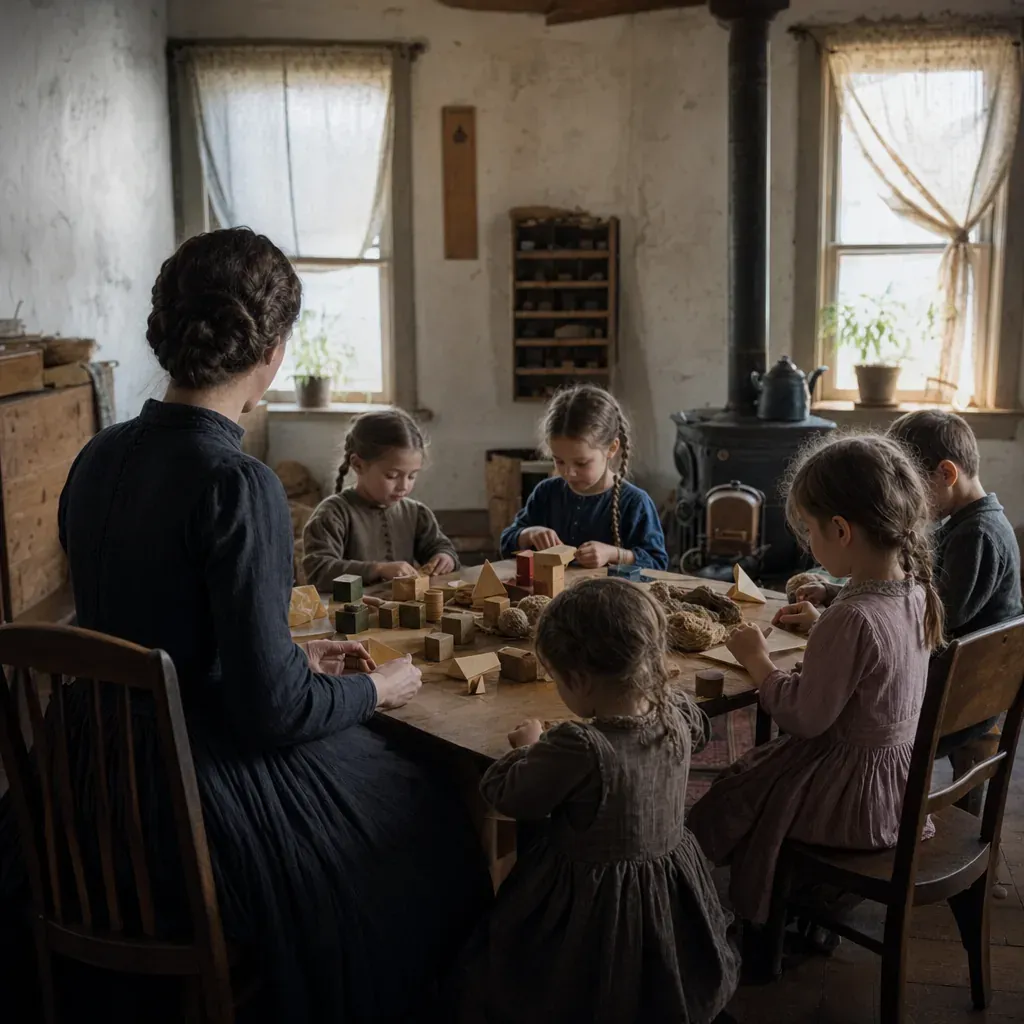
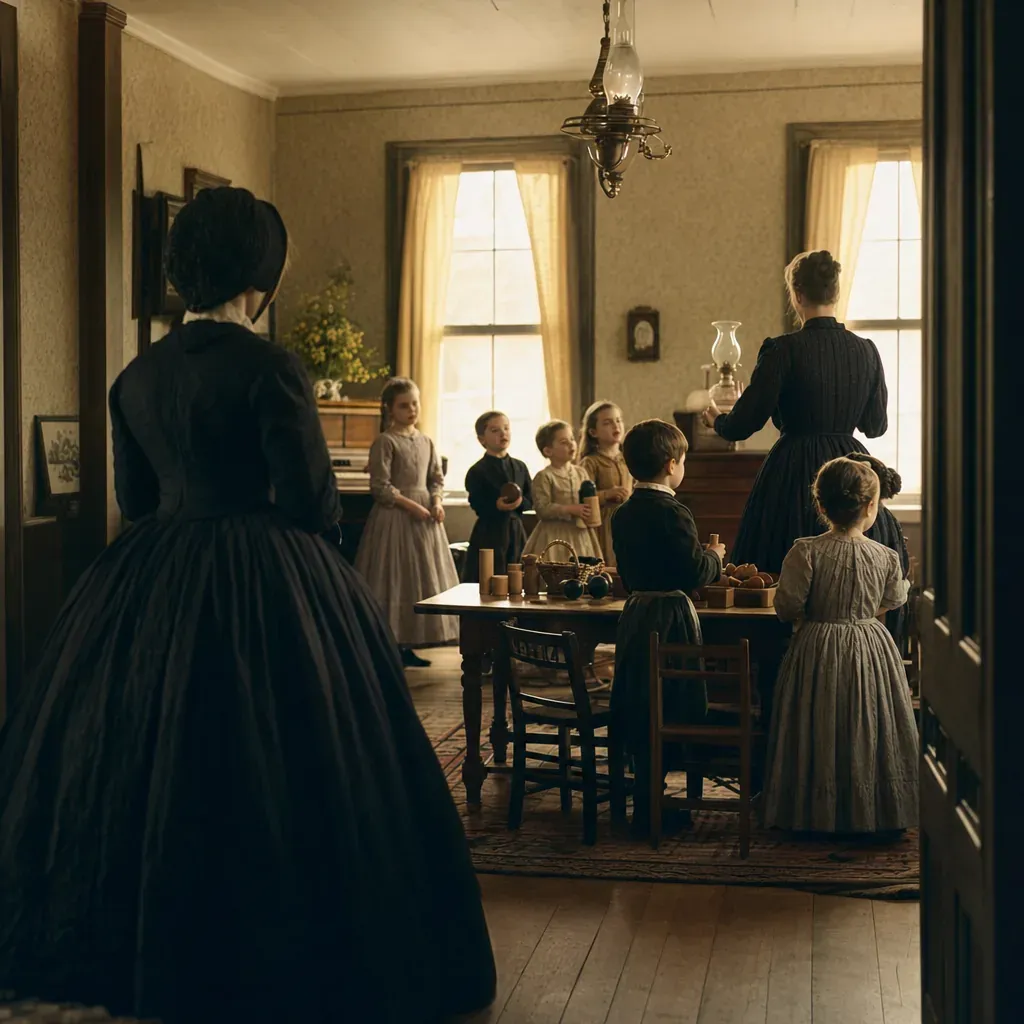
Before kindergarten had cubbies, gluey fingers, and chairs small enough to make adults look ridiculous, the word meant “children’s garden.” And in Watertown, that garden began with one very real three-year-old. Margarethe Meyer Schurz was a young mother from Hamburg, born in 1833, living in Watertown with her husband, Carl Schurz. She knew the ideas of Friedrich Froebel through the German kindergarten movement, where children learned through play, songs, stories, movement, and work with their hands. What she wanted was simple and quietly bold: a place where her daughter, Agathe, could learn in a way that honored the way small children actually are. So in 1856, Margarethe began close to home. There was no grand schoolhouse moment, no brass plaque waiting by the door, no line of officials nodding seriously over a new educational era. There was Agathe, three years old, and a small group of other children gathered for lessons conducted in German. There were songs. There were games. There were stories. There was movement, because three-year-olds have never been especially famous for sitting like marble busts. And there was handwork, the kind that asks small fingers to try, fumble, touch, and try again. That was the quiet surprise of it. Margarethe wasn’t treating play as the thing children did after learning was finished. She was treating play as part of learning itself. A song could hold a lesson. A game could teach attention. A story could open a child’s mind. Movement wasn’t misbehavior; it was part of being alive in a growing body. The room must have had its own music: German words spoken gently, children shifting and chattering, the soft bustle of little hands busy with little tasks. It was practical, not flashy. A mother had a child at home, a method she believed in, and a willingness to gather other children in. That is the tender twist in the famous “first.” America’s first kindergarten did not begin as a system handed down from far away. It began more like a neighborly answer to an everyday question: How should young children learn? Margarethe’s answer was warm, active, and unusually respectful. She made room for joy without making it seem frivolous. She let children wiggle and still be taken seriously. She brought Froebel’s play-based teaching into daily life, not as a theory on a shelf, but as something that could happen among children who needed stories, songs, motion, and care. The little class became known as the first kindergarten in the United States. Its influence traveled in a wonderfully human way: by visit, by observation, by one person seeing something good and carrying the idea onward. In 1859, Boston educator Elizabeth Palmer Peabody visited the Schurz home. She saw the method at work there — not merely heard about it, not just read about it, but watched children learning in this new and lively way. Peabody was inspired enough to act. In 1860, she opened the first English-language kindergarten in Boston, helping the idea move beyond the German-speaking circle where Margarethe had begun. What started with Agathe and a small group of children in Watertown began to ripple outward, carried by attention and admiration. It’s easy now to think of kindergarten as a fixed part of childhood, tucked between preschool and first grade, with its own routines and tiny furniture. But at the beginning, it was more delicate than that. It depended on someone noticing that very young children were not empty jars to be filled, but growing people who learned with their voices, their bodies, their senses, and their delight. Margarethe Meyer Schurz’s little class gave that idea a home in America. The preserved First Kindergarten building now rests on the grounds of the Octagon House Museum in Watertown. It is modest, easy to overlook, and powerful for that very reason: a familiar part of childhood began with a person making space for a need right in front of her. A mother, a preschooler, and a room where joy was allowed in.