NORAD Tracks Santa Began With a Colorado Colonel Answering a Wrong Number
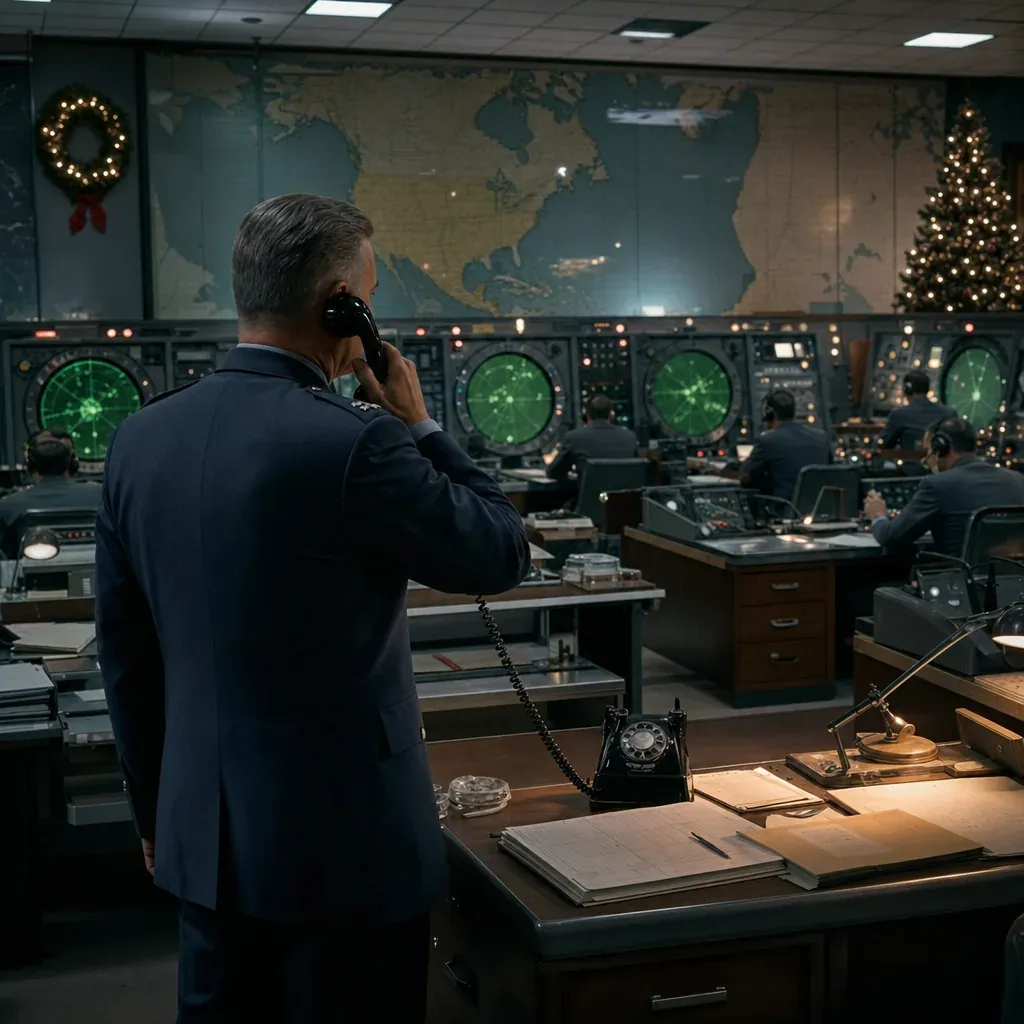
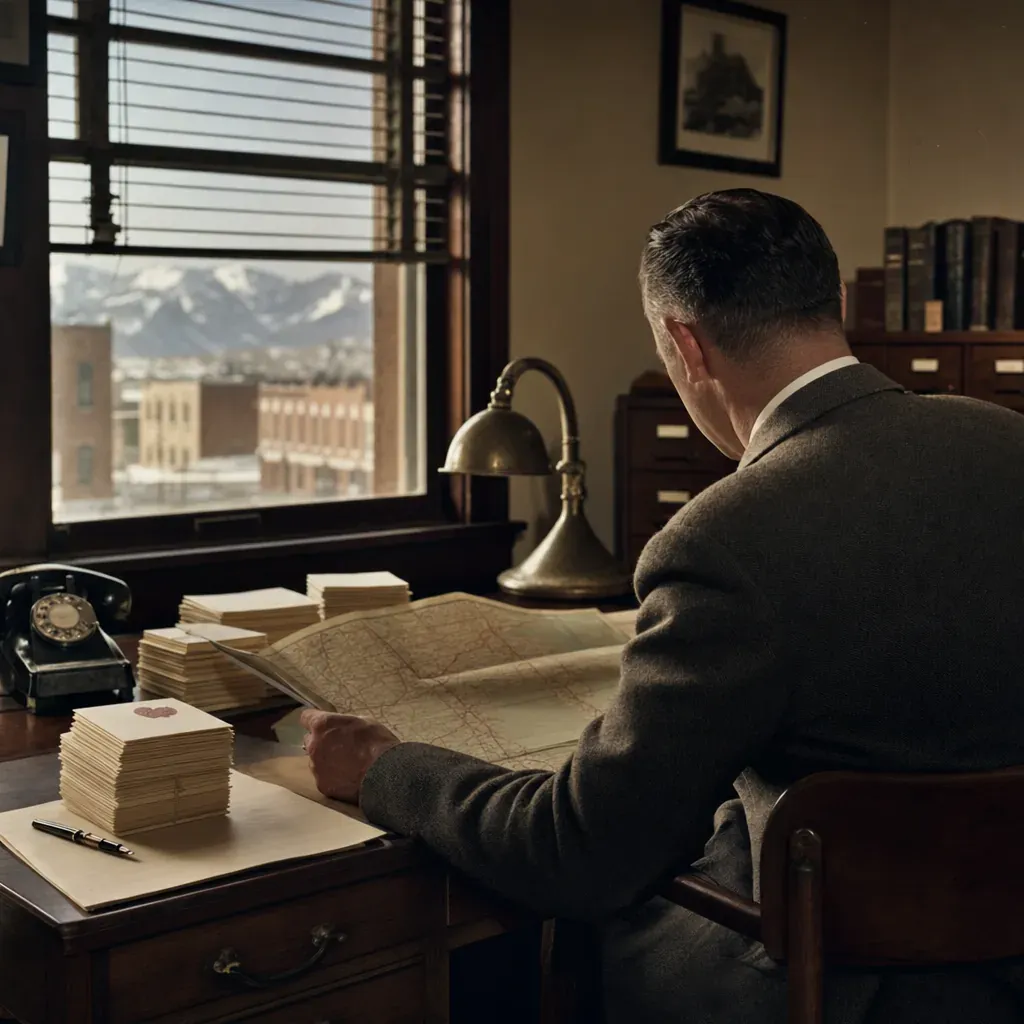
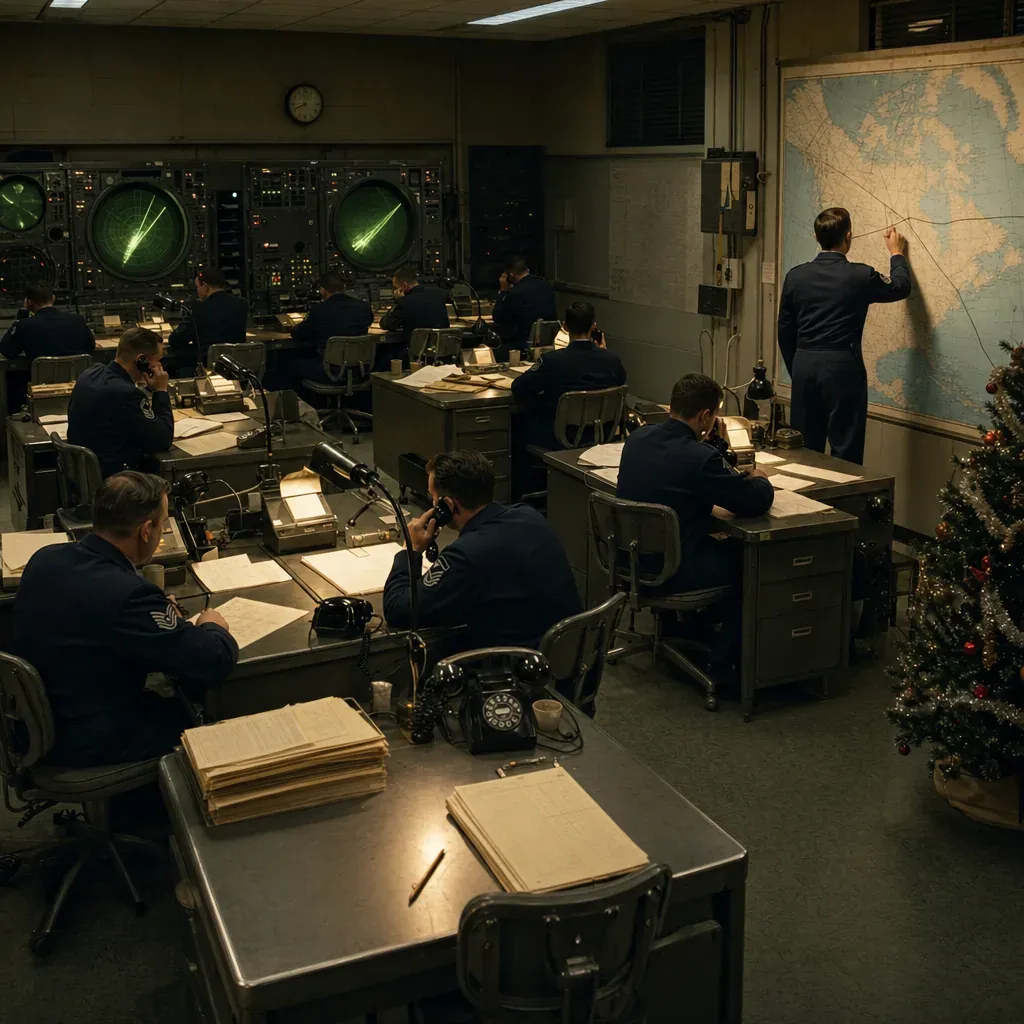
A military phone rang inside a serious room in Colorado Springs, and the voice on the line was very small. It wasn’t warning of aircraft in the sky. It was asking for Santa Claus. Col. Harry W. Shoup was on duty that Christmas Eve in 1955 at the Continental Air Defense Command, the center responsible for watching North American skies. He was a serious officer in a serious place, the sort of room where a wrong number was not usually considered adorable. But that night, one wrong number came wrapped in tinsel. The mix-up began with a Sears advertisement in a Colorado Springs newspaper. The ad invited children to call Santa, which was a fine idea except for one important detail: the phone number printed in the paper did not reach the North Pole. It reached CONAD. So when the line rang, Shoup answered expecting military business. Instead, he heard a child. At first, he suspected a prank. That would make sense. A high-security command post was not the natural place for a chat about reindeer, chimneys, or whether a red-suited gentleman had packed enough toys. But then Shoup listened a little longer. The voice was too earnest. This was no prankster trying to rattle an officer on Christmas Eve. This was a child who had followed the instructions in the newspaper and fully expected Santa Claus to be on the other end. So Shoup played along. According to accounts preserved by NORAD and by Shoup’s family, he answered as Santa. He asked whether the caller had been good. It’s easy to picture the shift in the room: the officer braced for tension, now fielding one of the gentlest questions ever to come over a military line. Somewhere, a child got reassurance instead of a scolding. Somewhere in the middle of all that seriousness, Santa had apparently acquired air defense support. Then Shoup made the bigger decision. He told the airmen on duty to keep answering the calls from children. If kids were going to keep dialing that number, the people at CONAD would help. They would give updates on Santa’s location. It was a wonderfully strange assignment. These were people trained to watch the skies for threats, and now they were also tracking the safest and jolliest aircraft imaginable: a sleigh with reindeer power, global range, and an impossible delivery schedule. A command post built for vigilance suddenly made room for wonder. The calls kept coming because the advertisement had done its job a little too well. Children believed they had Santa’s number. Thanks to Shoup, for that night, they did. Three years later, CONAD became the North American Aerospace Defense Command, better known as NORAD. The name changed, but the Christmas Eve custom stayed. What began with one misdirected local phone call grew into NORAD Tracks Santa, still run from Colorado Springs. Volunteers now field calls, and online visitors follow Santa’s journey around the globe. The tools changed from a mistaken newspaper ad and a military phone line to maps, screens, and web traffic, but the heart of it remains the same: someone answers. Shoup’s children later said their father became known in the family as the “Santa Colonel.” It’s a perfect nickname, half official and half sugar cookie. He didn’t set out to create a holiday tradition. He simply heard a child on the line and decided that, just this once, national defense could include reassuring someone that Santa was safely on his way.
Listen to this story, narrated.