The Teddy Bear: The Mississippi Guide Who Gave a President a Shot and Accidentally Started a Toy Aisle
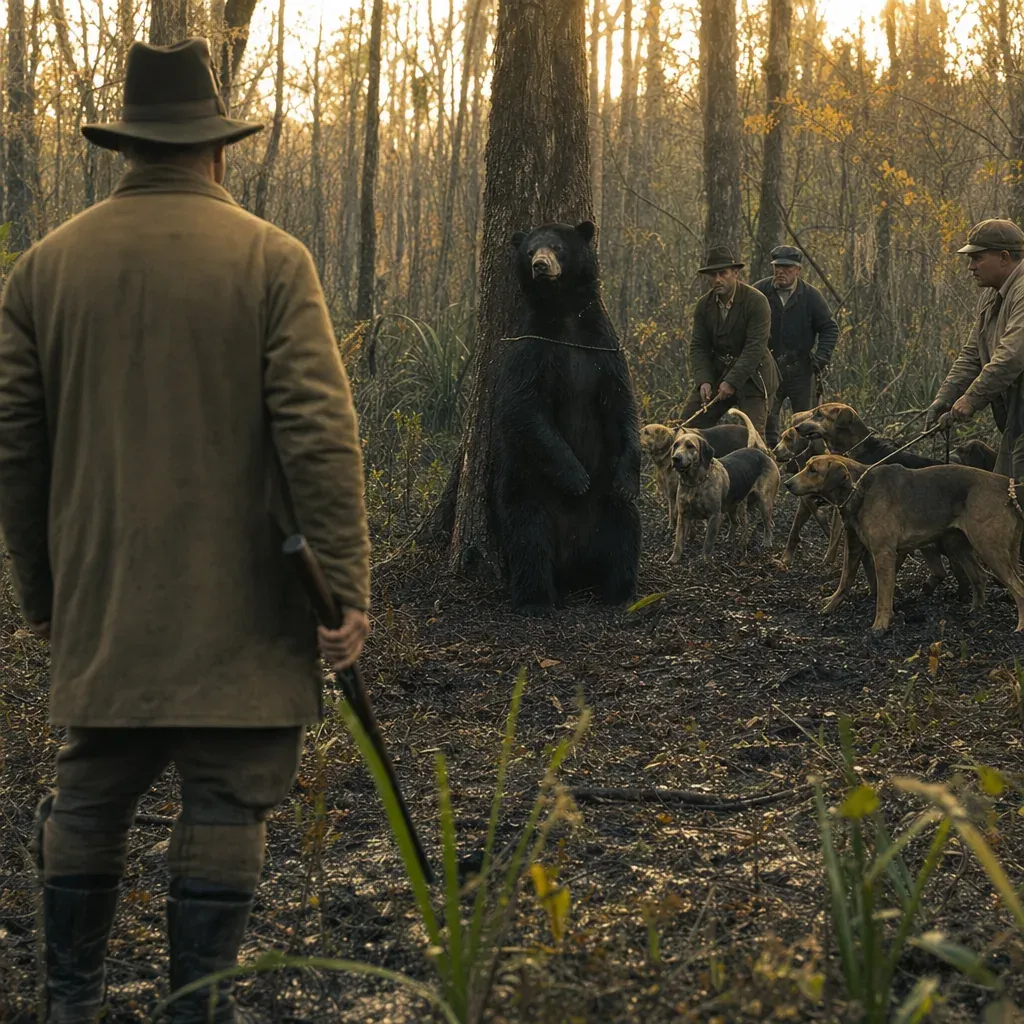
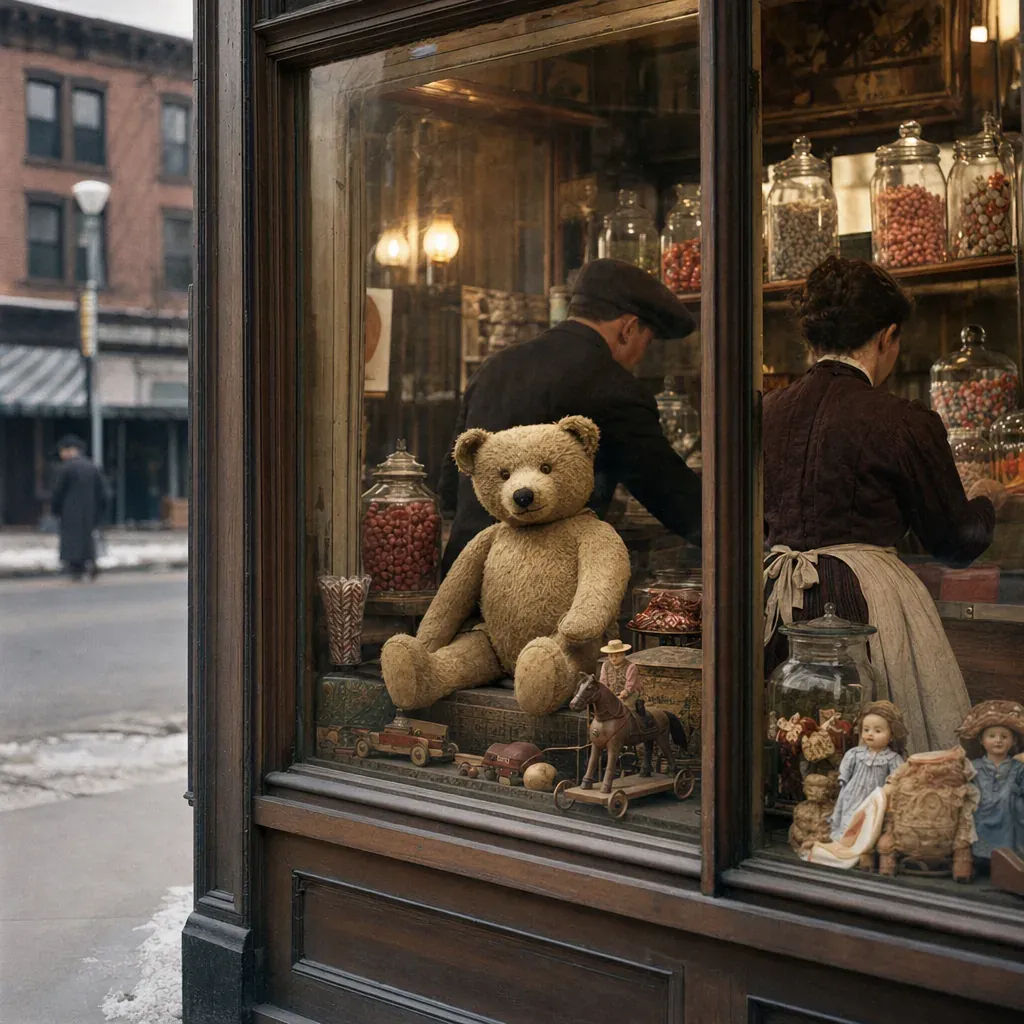
Before the teddy bear was tucked into cribs or propped on Valentine’s Day shelves, it was tied to a tree in the Mississippi woods. That soft little toy began, of all places, with a hard bear hunt and a president who said no. Holt Collier knew bears. The famed Mississippi Delta hunter and guide was in Sharkey County, Mississippi, helping lead a black bear hunt arranged for President Theodore Roosevelt by Governor Andrew H. Longino and local planters. Collier’s job sounded simple: find the bear, guide the hunt, and give the president a fair chance. At first, Roosevelt had no luck. He had come all that way for a black bear, and the woods were not exactly handing one over like a package at the front door. But Collier was not easily discouraged by an uncooperative bear. After a hard chase with the dogs, Collier cornered the bear, subdued it, and tied it to a tree so Roosevelt could finally have his chance. In Collier’s practical world, the problem had been solved. The president wanted a bear. The guide had found a bear. There it was, secured and waiting — the Mississippi hunting-camp version of “your order is ready” for a sitting president. But when Roosevelt saw the animal tied up, the moment shifted. He declined to shoot it. It would not be sporting, he said. You can almost feel the pause in the woods. Collier had done his job well — maybe too well. The bear had been delivered with such efficiency that the whole thing no longer felt like a hunt. It was almost comic: one seasoned woodsman presenting the president with exactly what he had come for, and Roosevelt deciding the gift was a little too neatly wrapped. That small refusal might have disappeared into campfire talk if someone else hadn’t noticed the shape of it. Washington Post cartoonist Clifford Berryman turned the scene into a cartoon called “Drawing the Line in Mississippi,” published soon after. The cartoon showed Roosevelt refusing to shoot the bear, and the image traveled far beyond the hunting camp. What had been a private decision in the woods became a public story about restraint, fairness, and one very lucky bear. Then the story took another turn, this time in Brooklyn. Morris and Rose Michtom, shopkeepers with a candy-and-novelty store, saw Berryman’s cartoon. They made a small stuffed bear and placed it in their store window. They called it “Teddy’s bear.” The name stuck. Customers liked the little bear. Of course they did. A stuffed bear in a shop window has a way of looking as if it’s patiently waiting for someone to love it, and this one came with a story people already wanted to repeat. The Michtoms’ bear helped launch the Ideal Toy Company, and a hunting-camp moment in Mississippi became one of the most familiar toys in America. Collier reportedly guided Roosevelt again, but he had not set out to help invent childhood comfort. He was not thinking about nurseries, toy shelves, or generations of children hugging plush bears through storms, fevers, bedtime worries, and long car rides. He was doing the work he knew how to do, and doing it well. The teddy bear began not with a toy designer’s grand plan, but with a guide’s skill, a president’s restraint, a cartoonist’s eye, and two Brooklyn shopkeepers who knew a good idea when they saw one. All that softness started with one bear that was not shot.
Listen to this story, narrated.