Dizzy Gillespie's Bent Trumpet Wasn't Planned; It Started With a Party Mishap He Decided to Keep
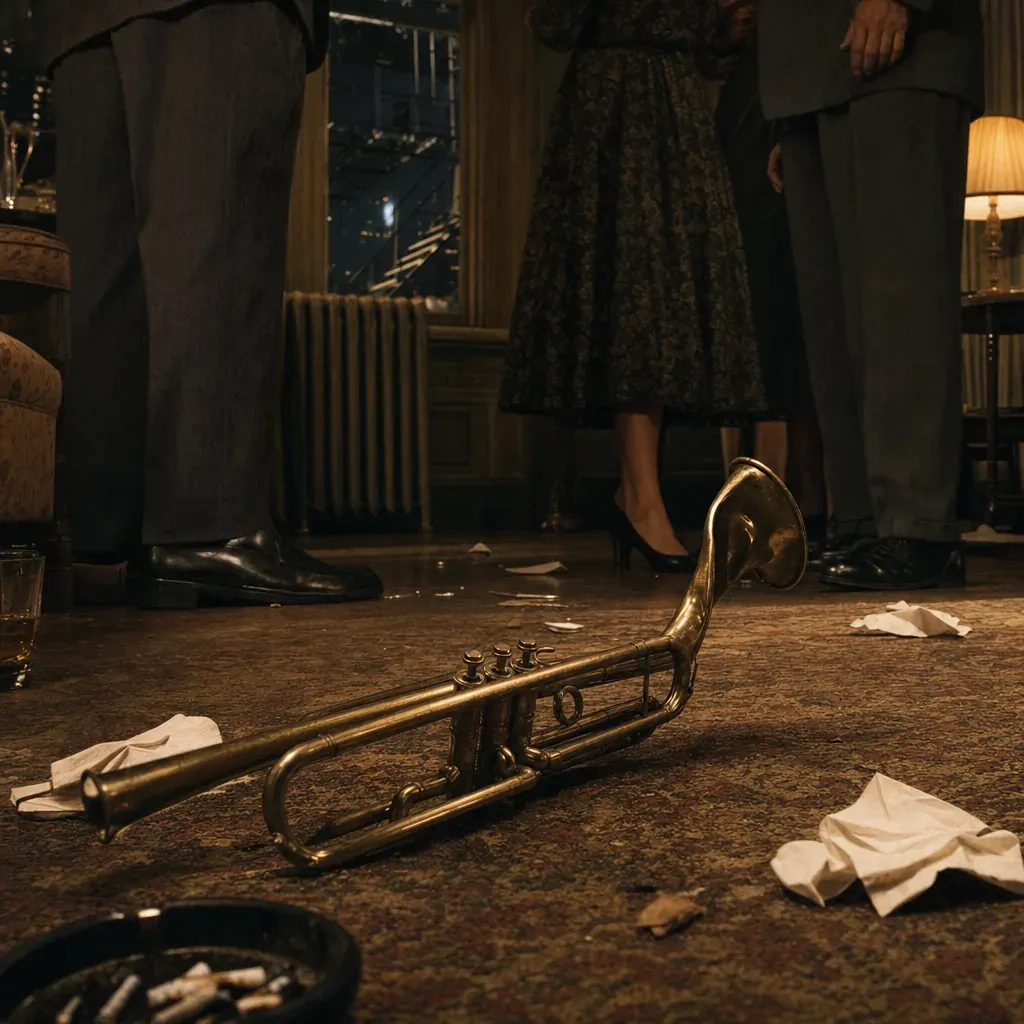
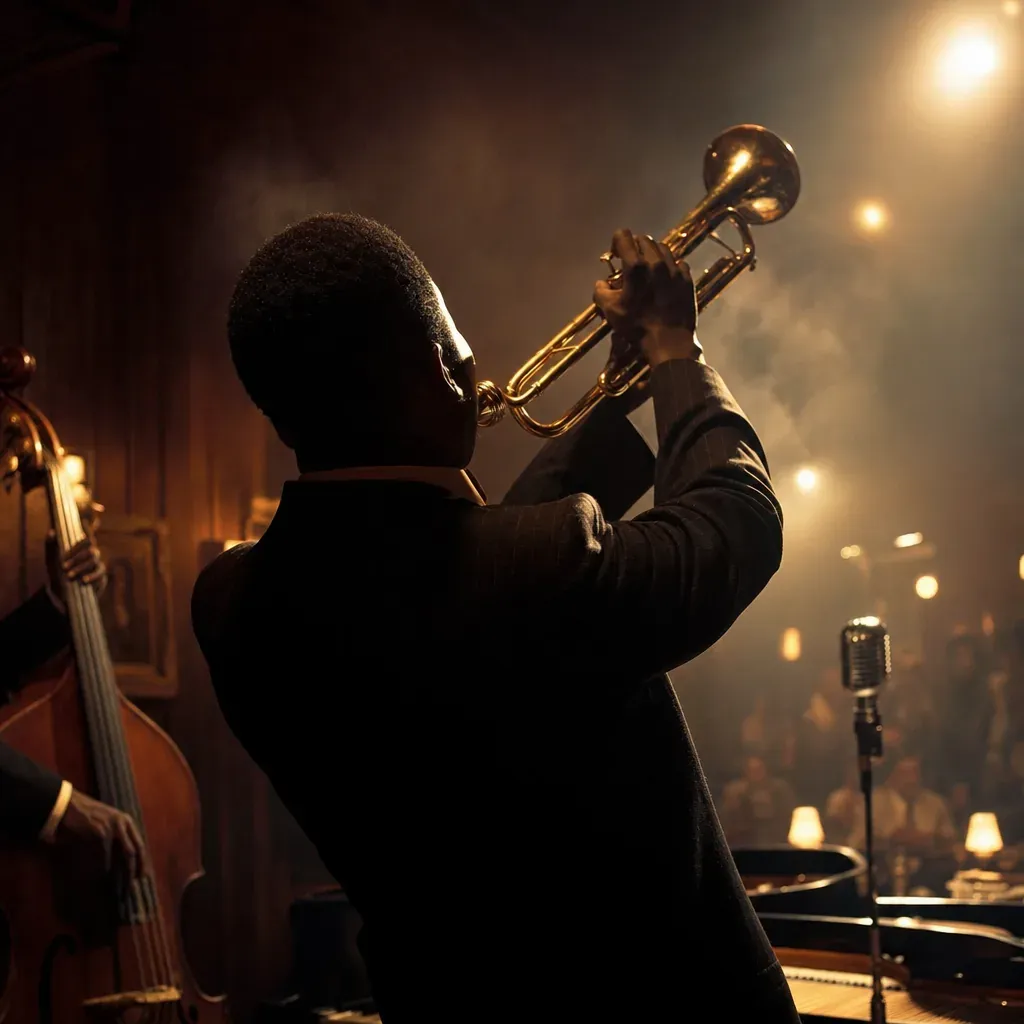
The trumpet bell was supposed to point straight ahead, neat and obedient, but after one Manhattan party it looked as if it had spotted something interesting on the ceiling. Dizzy Gillespie, being Dizzy Gillespie, didn’t just see damage — he heard an invitation. John Birks “Dizzy” Gillespie began far from that New York room, on Huger Street in Cheraw, South Carolina, where he was born on October 21, 1917. He grew into one of the great shapers of bebop, a trumpeter with puffed cheeks, a tilted horn, and a sound that could make a room sit up straighter. What he wanted, always, was sound with life in it — sound that moved, surprised, and carried. Then came the party for his wife, Lorraine, in Manhattan in January 1953. It was the kind of scene where a trumpet should have been safe only if everyone agreed to walk carefully, which, at a party, is asking a lot. As Gillespie later told it, someone fell onto his horn. Not brushed it. Not nudged it. Fell onto it. For most musicians, that would have been the end of the evening’s good mood. You can almost picture the pause afterward: the bent brass, the awkward guest, the poor trumpet looking as if it had been through a small weather event. A player might have packed it away, found a repairman, and spent the rest of the night giving the furniture suspicious looks. Gillespie did something better. He picked it up and tried playing it. That’s the hinge in the story, where disaster opens the wrong door and accidentally lets in fresh air. The bell had been bent upward, and the sight of it made him laugh. Of course it did. There was something comic about it — a serious instrument suddenly wearing a permanent expression of surprise. But then he listened. The bent horn wasn’t only funny. It was useful. With the bell angled up, Gillespie could hear himself better. The sound carried in a way he liked. The accident had changed the instrument’s shape, but it had also changed his relationship to it. The mistake had a voice. So he didn’t treat the crooked trumpet as a thing to be corrected. He treated it as a discovery. After that, Gillespie began ordering trumpets made that way, with the bell tilted about 45 degrees. What had started as a mishap at a party became one of jazz’s most recognizable sights: Dizzy Gillespie, cheeks full, horn lifted, music aimed upward as if it knew exactly where it was going. It’s a wonderfully human detail in the story of a giant. Gillespie helped build bebop, that bright, daring language of jazz, yet one of the most famous parts of his stage silhouette came from a moment that could have ended with grumbling and a repair bill. Instead, he stayed curious long enough to find the gift inside the bend. The ripple reached beyond that room in Manhattan. One of Gillespie’s angled-bell trumpets is now held by the Smithsonian’s National Museum of American History, kept as the result of a musician listening closely to a happy accident. Back in Cheraw, Dizzy Gillespie Homesite Park keeps his South Carolina beginning close to the ground, on the hometown soil where the story first began. A trumpet got knocked out of shape, and Dizzy let it point the way.
Listen to this story, narrated.