Jurassic Park’s dinosaur expert and the Montana shopkeeper who handed him a “good mother”
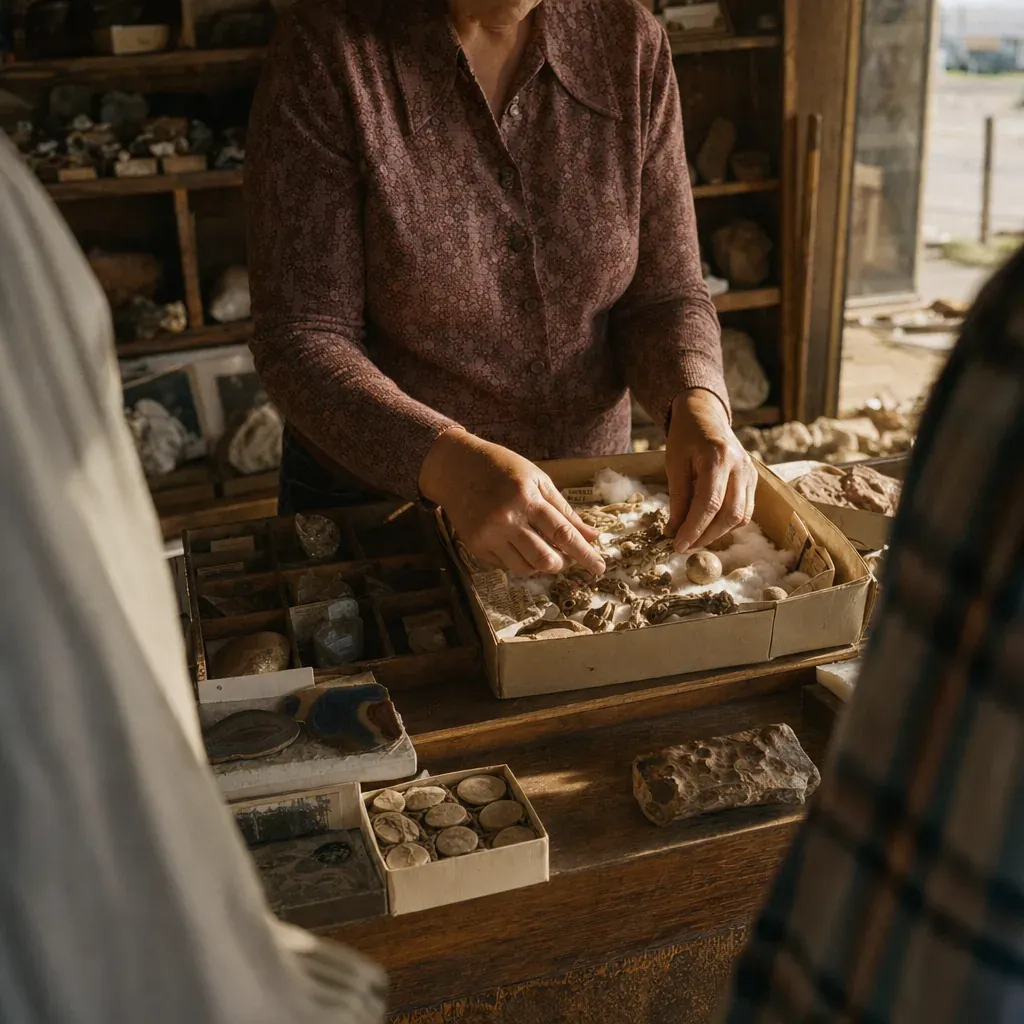
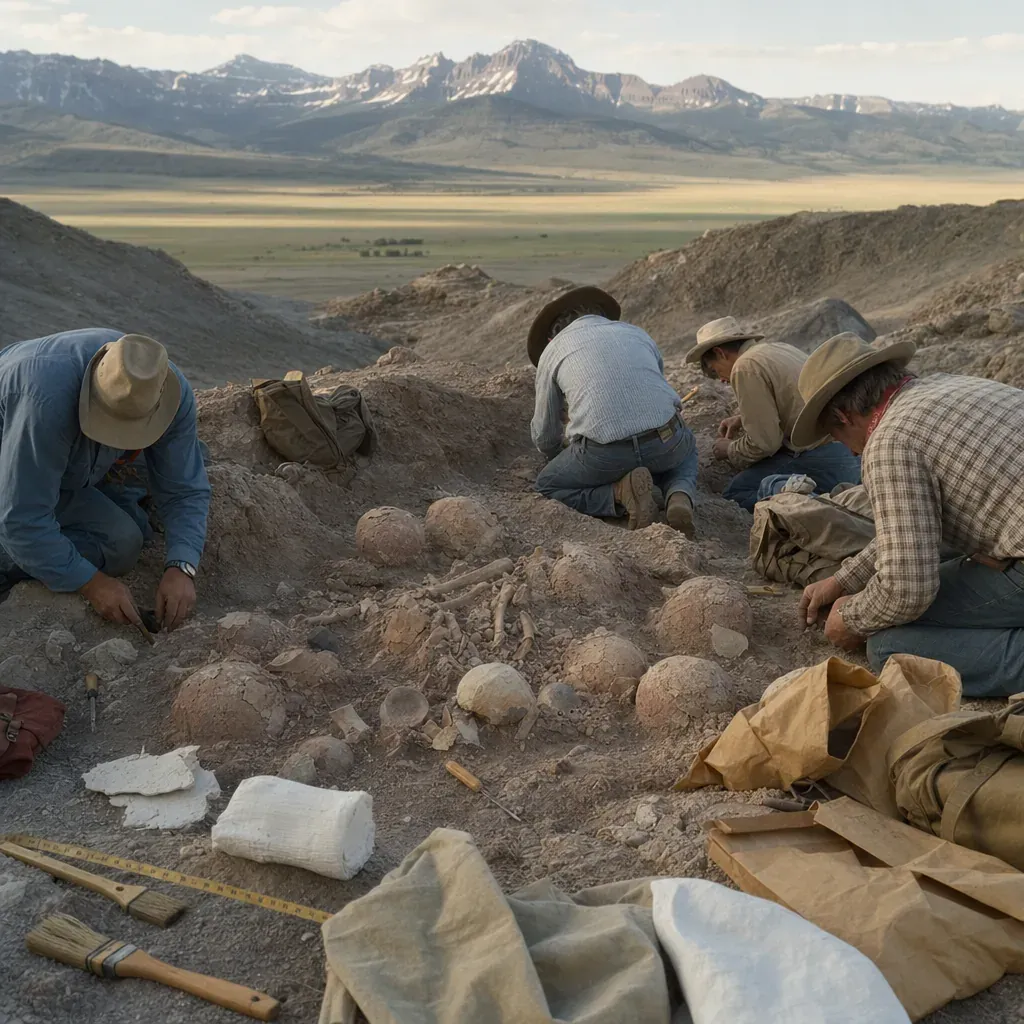
The bones were the opposite of showy: small enough to miss, easy to overlook, the kind of fossils that could sit quietly in a box while bigger dinosaur dreams stomped past. Marion Brandvold knew better. She and her husband ran Brandvold’s Treasures in Bynum, Montana, a little roadside rock shop where people came for agates, souvenirs, and the kind of friendly visit that made a quick stop stretch longer than planned. Marion had collected fossils from the nearby Two Medicine Formation, and she wanted the right person to see them. That person turned out to be Jack Horner, before he became the Montana paleontologist who advised Jurassic Park and helped inspire the movie’s Dr. Alan Grant. He walked into the shop with his colleague Robert Makela, likely not expecting his day to pivot around a box of tiny bones. But Marion had something to show them. Not giant jaws. Not a thigh bone heavy enough to make a table groan. Not the sort of dinosaur remains that look ready for a museum poster. Baby dinosaur bones. And with them, bits of eggshell. There is a quiet bit of comedy in that. Paleontology can sound so grand: formations, expeditions, ancient worlds locked in stone. Then one of its important turns begins in a small shop, with a local woman paying attention to the little pieces someone else might have brushed aside as scraps. Marion’s fossils came from nearby rocks that had held their secrets for millions of years. She had noticed them, saved them, and brought them together. When Horner and Makela saw what she had collected, those tiny remains pointed them toward something much larger than their size suggested. They followed the clue to a place near Choteau that would become famous as Egg Mountain. There, Horner and Makela found dinosaur nests, eggs, and young animals close together. It was the kind of find that changes the shape of a story. Dinosaurs had long been pictured by many people as lumbering monsters, huge and dim and mostly useful for roaring at the edge of a movie screen. Egg Mountain suggested something gentler and more complicated: animals gathering in nesting colonies, eggs clustered in place, young dinosaurs not simply abandoned the moment they hatched. The evidence opened the door to the idea that some dinosaurs may have cared for their young. The dinosaur tied to that discovery was named Maiasaura peeblesorum. Maiasaura means “good mother lizard,” a name warm enough to make even a fossil sound a little less cold. The species name honored the Peebles family, on whose land the fossils were found. And Marion Brandvold was there at the beginning. Not because she was chasing fame. Not because she had a film crew behind her or a dramatic soundtrack swelling in the background. She was a Montana shopkeeper who knew the small stuff mattered. She had a box of little bones and eggshell fragments, and she showed them to someone who understood what they might mean. After that modest handoff, the public picture of dinosaurs shifted. The creatures of deep time became less like blunt instruments and more like living animals with habits, gathering places, and perhaps even a kind of family life. Long before Hollywood raptors raced across a kitchen floor, Marion had helped pass along a quieter dinosaur story: a nursery in stone. All because someone in a tiny town paid attention.
Listen to this story, narrated.